So, you’re thinking about collecting coins? It’s a hobby that’s been around forever, and for good reason. You can start with just the change in your pocket, or you can go for something really rare. It’s kind of like a treasure hunt, but with history attached to every piece. This beginner coin collecting guide is here to help you figure out where to start, what to look for, and how to keep your finds safe. It’s not as complicated as it might seem, and honestly, it can be pretty fun.
Key Takeaways
- Coin collecting, or numismatics, is a hobby that mixes history, art, and sometimes, a bit of investment. It’s accessible to anyone wanting to start.
- Figure out what kind of coins interest you – maybe it’s coins from a specific country, a certain time period, or even coins with mistakes on them. Your budget matters too.
- You can find your first coins in your everyday change, at coin shows, from dealers, or online. Just be sure to buy from places you trust.
- Learning the parts of a coin and how to grade them is important. Also, storing your coins the right way and not cleaning them is key to keeping their value.
- Be careful about fake coins. Buying from known dealers and learning to spot fakes will protect your collection.
Embarking On Your Numismatic Adventure
So, you’re thinking about collecting coins? That’s awesome. It’s a hobby that’s been around forever, and for good reason. It’s like holding tiny pieces of history in your hand. You might be wondering what all the fuss is about, or maybe you’ve just found an old coin in your pocket and got curious. Whatever brought you here, welcome! This whole world of coins is called numismatics, and it’s way more than just hoarding pocket change.
Understanding The Allure Of Coin Collecting
What’s so great about coins? Well, they’re not just metal discs. Each one has a story. Think about it: a coin from ancient Rome tells you about emperors and trade back then. A silver dollar from the Wild West? That’s a piece of American expansion. It’s like a mini history lesson you can actually hold. Plus, some coins are just plain beautiful, with intricate designs and artwork that artists worked hard on. It’s a mix of history, art, and sometimes, a bit of detective work to figure out what makes a coin special.
Defining Numismatics And Collector Types
Numismatics is just the fancy word for the study and collection of coins, paper money, and medals. It sounds serious, but really, anyone can do it. People collect for all sorts of reasons. You’ve got the folks who just love learning about history and culture through coins. Then there are the investors, who are looking for coins that might go up in value. Some people focus on a specific theme, like coins from a certain country or coins that show animals. And some collectors are all about the precious metals, like gold and silver, focusing on their intrinsic worth.
Here’s a quick look at some common collector types:
| Collector Type | Primary Focus | Main Goal |
|---|---|---|
| Hobbyist | Personal interest, themes | Enjoyment, learning |
| Investor | Rare, valuable coins | Financial gain |
| Thematic Collector | Specific events, countries | Curated, cohesive sets |
| Bullion Collector | Precious metal value | Wealth preservation |
The Rewarding Aspects Of The Hobby
Getting into coins can be really satisfying. You learn a ton without even feeling like you’re studying. You get to hunt for treasures, whether it’s at a local coin shop or online. Finding that one coin you’ve been searching for feels pretty great. It’s also a fantastic way to connect with people. There are clubs and online groups where collectors share their finds, swap stories, and help each other out. It’s a hobby that can grow with you, offering new challenges and discoveries no matter how long you’ve been collecting.
Coin collecting is more than just a pastime; it’s a journey through time. Each coin is a tangible link to the past, offering insights into different cultures, economies, and historical events. It’s a pursuit that sharpens observation skills and encourages continuous learning, all while building a collection that reflects your personal interests and discoveries.
Choosing Your Collecting Path
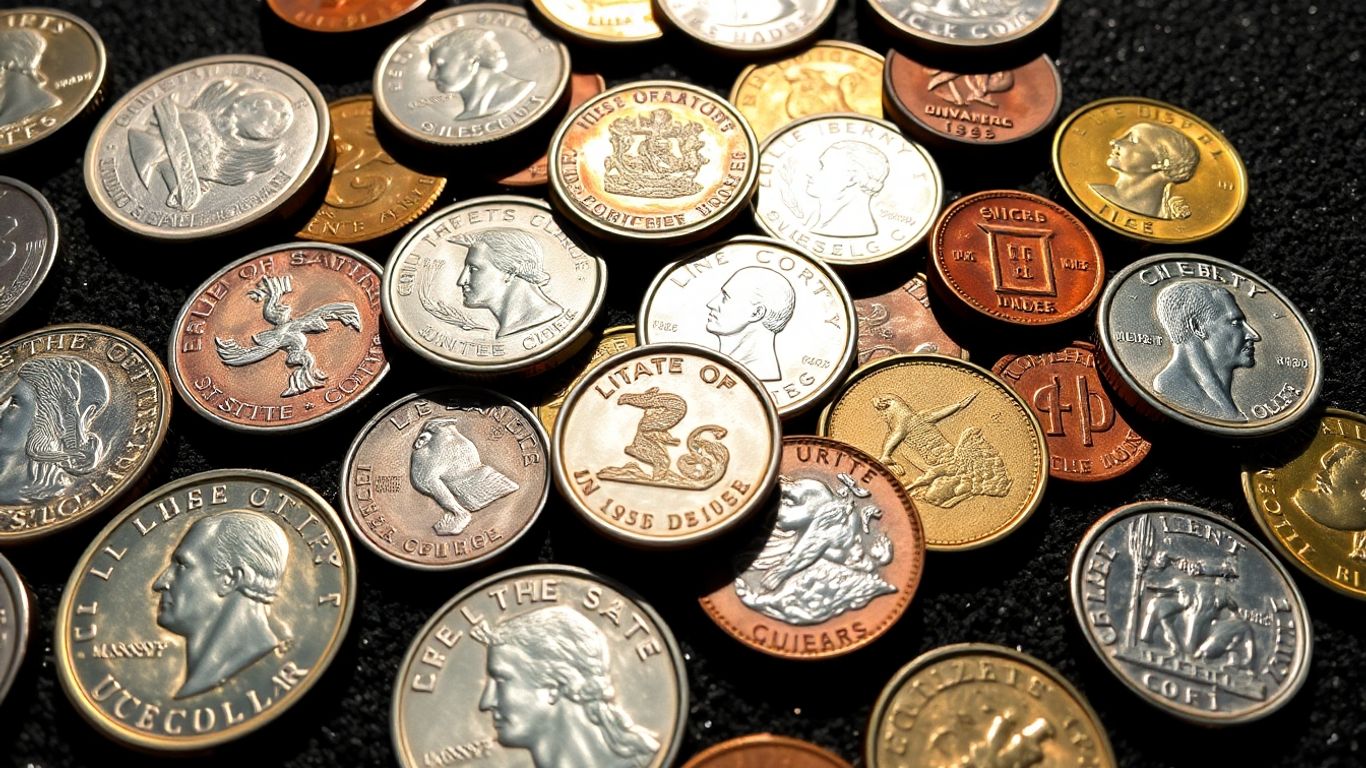
So, you’ve decided to jump into the world of coin collecting. Awesome! But before you start grabbing every shiny disc you see, it’s a good idea to figure out where you want to go with this. Think of it like planning a road trip – you wouldn’t just start driving, right? You’d pick a destination. The same goes for building a coin collection. It helps to have a bit of a plan.
Identifying Your Collecting Focus
What’s really pulling you into this hobby? Is it the history packed into each coin? Maybe the art and design? Or perhaps the thrill of finding something rare and potentially valuable? Your initial interest is your best compass. Don’t feel pressured to collect what everyone else is doing. Your collection should be a reflection of your personal interests and passions.
Here are a few common starting points:
- By Country: Focusing on coins from your own country (like U.S. coins) or a country you find historically interesting.
- By Denomination: Collecting all pennies, nickels, dimes, or quarters.
- By Theme: This could be anything from animals on coins, ships, famous people, or even coins minted during specific historical events.
- By Metal: Some collectors focus on coins made of gold, silver, or platinum, often for their intrinsic value.
Exploring Different Coin Categories
Once you have a general idea of your focus, you can start looking at the different types of coins available. It’s a huge world out there!
- Circulating Coins: These are the coins you find in everyday change. They’re a fantastic and affordable way to start. You might already have the beginnings of a collection in your pocket or piggy bank! Keep an eye out for interesting dates or mint marks.
- Commemorative Coins: These are special coins often issued to celebrate events, people, or anniversaries. They come in various metals and finishes and can be a great way to collect something unique.
- Bullion Coins: Think American Eagles or Canadian Maple Leafs. These are primarily valued for their precious metal content (gold, silver, platinum) and are often considered a way to preserve wealth. Their value can fluctuate with market prices.
- Ancient Coins: If history really gets you going, ancient coins from Greece, Rome, or other early civilizations can be incredibly fascinating. They often require more research and can be more expensive, but they offer a direct link to the past.
Choosing a path doesn’t mean you’re locked in forever. Hobbies evolve, and so can your collection. What starts as a focus on U.S. state quarters might naturally lead to an interest in other U.S. coinage or even coins from countries that influenced American history. The key is to start somewhere that excites you.
Considering Your Budget and Goals
Let’s be real, money matters. Coin collecting can be as cheap or as expensive as you want it to be. Setting a budget early on is super important. Are you looking to spend a few dollars a week on coins from your change, or are you saving up for that one special, high-value piece? Your budget will directly influence what you can collect and how quickly you can build your set. You can find a lot of great information on coin values and market trends at Money.org.
Think about your long-term goals too. Do you want a complete set of something? Are you hoping to build a collection that might appreciate in value over time? Or is it purely for the enjoyment and the stories behind each coin? Knowing your goals will help you make smarter choices about which coins to acquire and when to perhaps trade or sell. For instance, if your goal is financial gain, you’ll likely focus on rarer coins with investment potential, whereas a hobbyist might prioritize coins that simply tell an interesting story.
Building Your First Collection
So, you’ve picked a path, maybe it’s old coins, or perhaps shiny new ones. Now comes the fun part: actually getting your hands on some coins! It might seem a bit daunting at first, but honestly, you probably already have the beginnings of a collection sitting in your pocket or on a shelf somewhere. Let’s figure out where to find those first few treasures and how to start building something you’ll be proud of.
Where To Find Your Initial Coins
Starting out doesn’t require a huge bankroll. In fact, many collectors begin by simply looking through the change they receive from everyday purchases. You’d be surprised what can turn up! Keep an eye out for anything that looks a little different – maybe an unusual date, a mint mark you don’t recognize, or even a coin that seems to have a manufacturing hiccup. These are often called "circulation finds," and they’re a fantastic, low-cost way to get your collection rolling. Don’t forget to check old jars, piggy banks, or even ask family members if they have any loose change lying around.
Beyond your own pockets, there are several other avenues:
- Local Banks: Sometimes, you can ask a bank teller if they have any "coin rolls" they’re willing to part with. These are rolls of coins, often unsearched, that you can take home and go through. It’s a bit of a treasure hunt!
- Reputable Dealers: As you get more serious, you’ll want to find trusted coin shops or dealers. They have a wide variety of coins and can offer advice. It’s always a good idea to buy from established places to avoid getting fakes.
- Online Marketplaces: Sites like eBay can be a source, but you need to be extra careful. Stick to sellers with high ratings and detailed descriptions, and always do your research before buying.
When you’re just starting, focus on coins that are readily available and don’t cost too much. The goal is to learn and build confidence, not to break the bank. Think about what excites you and start there. It’s all part of the adventure of becoming a coin collector [90b7].
Leveraging Online Resources And Communities
In today’s world, the internet is a goldmine for coin collectors. Websites dedicated to numismatics offer a wealth of information. You can find details on coin history, mint marks, and even learn about common errors. Forums and social media groups are also great places to connect with other collectors. People are usually happy to share their knowledge, answer questions, and even offer tips on where to find specific coins. It’s a fantastic way to learn from experienced hobbyists without leaving your home. You can also find resources that help you identify different types of coins and understand their general value.
Attending Coin Shows And Events
While online resources are great, nothing quite beats the experience of attending a local coin show or a larger numismatic event. These gatherings bring together dealers, collectors, and experts all in one place. You can see coins up close, talk to people who have been collecting for years, and maybe even find that special coin you’ve been looking for. It’s a chance to learn firsthand about coin grading, spot potential fakes, and get a feel for the market. Plus, it’s just plain fun to be around so many people who share your passion. Many shows have specific sections for beginners, making it less intimidating to walk around and soak it all in.
Essential Tools And Knowledge
Alright, so you’ve picked out a theme for your collection, maybe it’s state quarters or old pennies. That’s awesome! But before you go hunting for those treasures, let’s talk about what you’ll need and what you should know. Think of this as your collector’s toolkit and cheat sheet.
Understanding Coin Anatomy
Every coin has its own language, and knowing it helps you appreciate what you’re looking at. You’ve got the obverse, which is usually the
Protecting Your Growing Collection
So, you’ve started putting together some cool coins. That’s awesome! But now comes the part where you actually keep them looking good and, you know, valuable. It’s not super complicated, but you do need to pay attention.
Proper Storage and Preservation Techniques
Think of your coins like old photographs or delicate documents. They don’t like being messed with too much. The biggest enemies are usually moisture, extreme temperatures, and just plain old handling. Keeping your coins in a stable environment is the number one rule.
Here’s a quick rundown of how to keep them safe:
- Holders: Ditch those old plastic flips that might have PVC (that’s polyvinyl chloride, a type of plastic that can damage coins over time). Instead, look for archival-quality holders. These are made from inert materials that won’t react with the metal. Think Mylar, polyethylene, or polypropylene. You can get individual coin holders, or albums with slots designed for specific coin series.
- Environment: Store your collection in a cool, dry place. Basements can be too damp, and attics can get way too hot. A closet in your main living area is often a good bet. Avoid direct sunlight, as it can cause toning or fading over time.
- Handling: This is a big one. When you absolutely have to pick up a coin, try to hold it by its edges. Even better, use cotton or nitrile gloves. Your fingerprints have oils and acids that can leave marks on the coin’s surface, and over time, these can cause damage. It sounds a bit fussy, but it makes a difference.
The Dangers Of Cleaning Coins
Okay, this is probably the most important thing to get drilled into your head: Don’t clean your coins. Seriously. I know it’s tempting. You get a coin that looks a bit dull or dirty, and you think, "A quick polish will make it shine!" Nope. Stop right there.
Cleaning a coin, especially with abrasive materials or chemicals, can permanently damage its surface. It removes the natural patina that develops over time, which is often part of a coin’s historical appeal and value. Many collectors and dealers can spot a cleaned coin from a mile away, and its value can drop dramatically – sometimes to almost nothing. Even a gentle rub with a cloth can leave microscopic scratches that are visible under magnification. If a coin has loose dirt, the safest bet is to rinse it gently with distilled water and let it air dry on a soft cloth. For anything more, it’s best to leave it alone or consult a professional conservator.
When in doubt, do nothing. The original surface of a coin is almost always more desirable than a cleaned one. Resist the urge to make it look ‘new’ again; its history is what makes it special.
Identifying And Avoiding Counterfeits
Unfortunately, as coins become more valuable, so does the temptation for people to make fakes. Counterfeit coins aren’t just a problem for high-end collectors; beginners can get hit too. They can range from crude copies to incredibly sophisticated forgeries that are hard to spot.
Here are a few ways to protect yourself:
- Buy from Reputable Sources: Stick to established coin dealers, well-known auction houses, or trusted online platforms. If a deal seems too good to be true, it probably is.
- Learn the Basics: Get familiar with the coins you’re collecting. Know what they should look like, their weight, and their diameter. Compare suspect coins to known genuine examples.
- Check the Details: Counterfeits often have mushy details, incorrect lettering, or odd-looking mint marks. The color might also be off. A good magnifying glass is your friend here.
- Weight and Dimensions: Genuine coins have precise weights and dimensions. If a coin feels too light or too heavy, or if it’s the wrong size, be suspicious.
- Authentication Services: For more valuable coins, consider getting them authenticated and graded by a reputable third-party service like PCGS or NGC. They have the expertise and equipment to spot fakes.
Expanding And Refining Your Collection
So, you’ve got a few coins, maybe a small stack of them. That’s awesome! But what’s next? This is where things get really interesting, where you start to shape your collection into something truly yours. It’s not just about finding more coins; it’s about making smart moves to improve what you already have and maybe even turn a profit.
Strategies For Trading And Selling
Selling and trading can feel a bit daunting at first, but it’s a natural part of growing as a collector. Think of it as upgrading your wardrobe – you might trade in some older items to get that perfect new piece. When you’re looking to sell, it’s smart to know what’s happening in the market. Keep an eye on coin publications or check out recent auction results to get a feel for what collectors are paying. Sometimes, timing is everything. Selling a coin when demand is high can make a big difference.
Trading is another great way to refine your collection. Maybe you have a few common coins that someone else needs to complete their set, and they have that one rare coin you’ve been searching for. It’s a win-win. Attending coin shows is fantastic for this. You meet people, see what they have, and can often make direct trades. Online forums and collector groups are also good places to arrange trades, just be sure to do your homework on the person you’re trading with.
Exploring Different Coin Categories
Once you’ve got a handle on the basics, you might find yourself drawn to more specific areas. This is where you really start to specialize. Maybe you’ve developed a love for ancient coins, or perhaps you’re fascinated by coins with minting errors – those little mistakes that make a coin unique. Error coins, for instance, can range from slightly off-center strikes to coins that were struck multiple times. They’re a whole sub-genre of collecting that many find incredibly engaging.
Another avenue is exploring coins from different countries or specific historical periods. Imagine holding a coin that was used during the Roman Empire, or one from the early days of the United States. These coins aren’t just metal; they’re tangible pieces of history. You could also focus on coins made from specific precious metals, like gold or silver, which often have an added layer of investment appeal.
The Investment Potential Of Rare Coins
Let’s be honest, for some, coin collecting isn’t just a hobby; it’s also an investment. Certain rare coins, especially those made of gold or silver, can increase significantly in value over time. This is often tied to the fluctuating prices of precious metals themselves, but also to the coin’s rarity and historical significance. Think about coins that are part of limited mintages or those that have a particularly interesting story behind them.
However, it’s important to approach this with caution. The coin market can be unpredictable. Doing your research is key. Understanding coin grading is super important here, as a coin’s condition dramatically affects its value. A coin graded MS-70 (Mint State perfect) will be worth far more than the same coin in a lower grade.
Investing in coins requires a different mindset than simply collecting for enjoyment. It involves understanding market trends, rarity, condition, and the potential for future demand. While some coins can be excellent investments, it’s wise to start with a solid understanding of the market and perhaps consult with experienced dealers or advisors before committing significant funds.
Here’s a quick look at factors influencing a coin’s investment value:
- Rarity: How many of these coins were originally made, and how many are believed to still exist?
- Condition (Grade): The better the condition, the higher the value. This is where grading scales like the Sheldon scale (1-70) come into play.
- Demand: Is there a strong interest from collectors and investors for this particular coin?
- Metal Content: For coins made of gold, silver, or platinum, the spot price of the metal plays a significant role.
- Historical Significance: Coins tied to important historical events or figures often command higher prices.
Your Numismatic Journey Begins
So, you’ve taken the first steps into the world of coin collecting. It might seem like a lot at first, with all the different types of coins and things to look out for. But remember, this hobby is really about what interests you. Whether you found a cool old penny in your change or you’re eyeing a specific historical coin, just start there. Don’t worry too much about making it perfect right away. Grab a magnifying glass, maybe a simple folder, and just enjoy the process of finding and learning about these little pieces of history. It’s a journey, and every coin you add tells its own story. Happy collecting!
Frequently Asked Questions
What exactly is coin collecting?
Coin collecting, also known as numismatics, is all about gathering and studying coins. People do it because coins can be interesting for their history, their cool designs, or even because they might be worth money. It’s like collecting tiny pieces of history that you can hold in your hand!
How do I start collecting coins if I'm totally new?
The easiest way to start is to pick something you like! Maybe you want to collect coins from your own country, or coins that have animals on them. You can even start by just looking through the change you get back from buying things. Don’t forget to read up on coins using books or websites to learn more.
What kind of coins are good for someone just starting out?
For beginners, coins like special state quarters or coins made to celebrate events are usually a good bet because they’re easy to find and not too expensive. Some people also like collecting coins that have small mistakes made when they were stamped, as these can be quite unique.
How can I tell if a coin is fake?
Spotting fake coins is important. Always try to buy from sellers you trust, like well-known coin shops or dealers. You can also learn to look for clues like the coin’s weight, how clear the details are, and its color. Sometimes, getting an expert opinion is the best way to be sure.
What's the best way to keep my coins safe?
Keeping your coins in good shape is key! Store them in special holders that won’t damage them, and try to handle them by the edges so you don’t leave fingerprints. It’s also super important to never try to clean your coins, as this can actually lower their value.
Can coin collecting be a way to make money?
While many people collect coins just for fun and learning, some rare coins can become quite valuable over time. If you’re interested in this, it’s smart to research coins that are made of precious metals or those that are known to be very rare. But remember, the main goal for most collectors is the enjoyment and the connection to history.