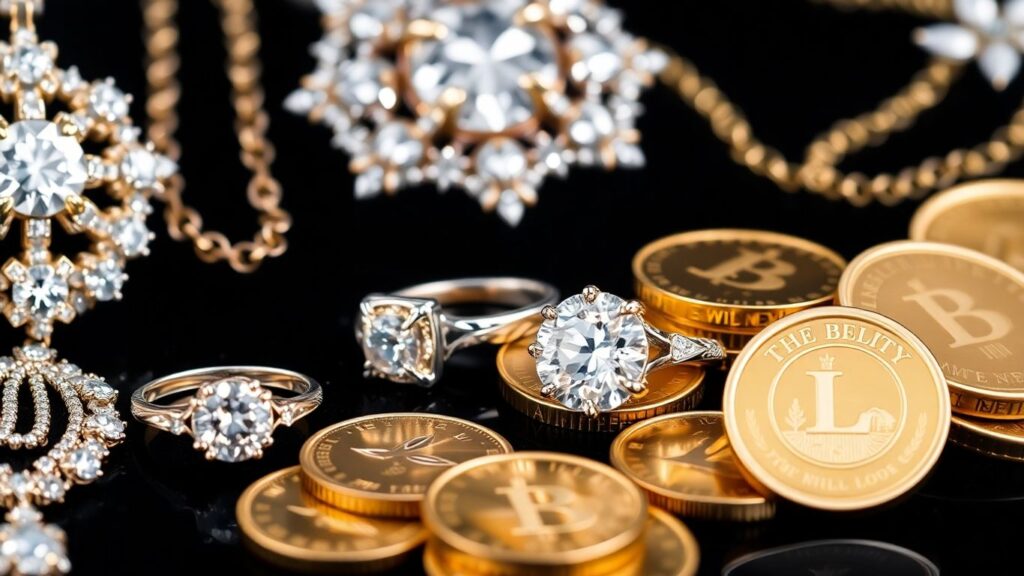
Selling off old jewelry and coins can feel like a puzzle. You’ve got these items, maybe inherited or just accumulated over time, and you want to get a fair price. But how do you even begin? This guide is here to help you figure out the best way to sell estate jewelry and coins together, making sure you get the most money possible without too much hassle. We’ll walk through everything from knowing what you have to finding the right buyer.
Key Takeaways
- Understand the value of your estate jewelry and coins by looking at materials, rarity, and any historical significance. Professional appraisals can help a lot here.
- Prepare your items by cleaning them gently and gathering any paperwork, like certificates or old receipts, to show their authenticity and history.
- Timing is important. Keep an eye on market trends for gold, gems, and collectible coins to sell when demand is high.
- Choose your selling platform wisely. Online sites, specialized buyers, or auctions all have different pros and cons regarding reach, fees, and speed.
- Selling jewelry and coins together can attract more buyers and simplify the process, potentially leading to a better overall sale price.
Understanding Your Estate Jewelry and Coins
Defining Estate Jewelry and Its Categories
Estate jewelry isn’t just any old pre-owned piece; it’s jewelry with a past, often carrying historical significance, unique craftsmanship, or belonging to a specific era. Think of it as wearable history. Generally, we categorize it into a few main groups:
- Antique Jewelry: These are pieces that have crossed the 100-year mark. We’re talking about items from eras like Victorian, Edwardian, or the roaring Art Deco period. They’re often sought after for their historical context and the artistry of their time.
- Vintage Jewelry: This category usually covers items between 20 and 100 years old. It’s a broad range that can include everything from mid-century modern designs to pieces from the 1970s.
- Modern Estate Jewelry: These are simply pre-owned pieces that aren’t necessarily antique or vintage. They might be contemporary designs that have been previously owned but still hold value due to their quality, brand, or materials.
Factors Influencing Jewelry Value
So, what makes one piece of estate jewelry worth more than another? It’s a mix of things, really. The combination of materials, craftsmanship, and historical context often dictates its true worth.
Here’s a quick rundown of what appraisers look at:
- Materials: This is pretty straightforward. The type and quality of precious metals (like gold, platinum, or silver) and any gemstones (diamonds, sapphires, emeralds, etc.) are a big part of the equation. The purity of the gold, for instance, makes a significant difference in its melt value. You can get a general idea of gold’s worth by looking at its karat and weight, but a professional appraisal is best for accuracy.
- Brand or Designer: Jewelry from well-known names like Tiffany & Co., Cartier, or Van Cleef & Arpels often fetches higher prices. Their reputation and collector demand add a premium beyond the material value.
- Condition and Rarity: Is the piece in good shape? Are there any chips, scratches, or missing stones? Well-preserved items, especially those that are rare or have a unique design, are naturally more desirable.
- Historical Significance: Sometimes, a piece is valuable simply because it represents a particular time or trend, like a distinct Art Deco style. Its connection to a historical period can add a layer of appeal.
Understanding these elements is your first step toward knowing what you have. It’s about looking beyond the sparkle and seeing the story and substance within each piece.
Identifying Coin Types and Rarity
Coins, much like jewelry, have their own set of characteristics that determine their value. It’s not just about the metal they’re made of; rarity and condition play huge roles.
Here’s what to consider when looking at your coins:
- Type of Coin: Are they common circulating coins, or are they from a specific series like Morgan dollars, Peace dollars, or early American copper? Some series are inherently more collectible than others.
- Mint Mark: Where and when was the coin made? Coins were often produced at different mints (e.g., Philadelphia ‘P’, Denver ‘D’, San Francisco ‘S’, Carson City ‘CC’). Some mint marks are much rarer than others for a given year and type of coin.
- Date: The year the coin was minted is obviously important. Sometimes, a specific year within a series is significantly rarer than others.
- Condition (Grading): This is a big one. Coins are graded on a scale, usually from 1 (poor) to 70 (perfect mint state). A coin in excellent condition (high grade) will be worth considerably more than the same coin in worn condition. Professional grading services like PCGS or NGC can provide an official grade.
- Rarity: This is often a combination of the above factors – low mintage numbers, specific mint marks, or a particular date can make a coin scarce. Sometimes, a coin might be rare simply because most of them were melted down or lost over time.
- Metal Content: While rarity and condition are key for numismatic (collector) value, the precious metal content (gold, silver) provides a baseline value, especially for older or less collectible coins.
Preparing Your Treasures for Sale
Before you even think about listing your estate jewelry and coins, taking some time to get them ready can make a big difference in what you get paid. It’s like getting a car ready to sell – a little polish goes a long way. This part is all about making sure your items look their best and that you have all the info buyers will want.
Conducting a Preliminary Home Assessment
Start by just looking closely at what you have. For jewelry, check for any tiny stamps on the metal – these usually tell you the karat of gold or silver. Sometimes, you’ll find maker’s marks or designer names, which can add a lot of interest. For coins, look for dates, mint marks (those little letters that indicate where it was made), and any obvious damage. You can even weigh your gold and silver pieces on a kitchen scale if you have one; knowing the approximate weight is a good starting point.
Obtaining Professional Appraisals
While your home check is useful, it’s not the whole story. For both jewelry and coins, getting a professional appraisal is a smart move. A qualified appraiser can identify the exact type of gemstones, their quality, and the historical significance of a piece. For coins, they can tell you the grade (how worn it is) and its rarity. This expert opinion is what gives buyers confidence and helps set a fair price. It’s worth the cost, especially for more valuable items.
Cleaning and Restoring Pieces
This is where you need to be careful. For most jewelry, a gentle cleaning with a soft cloth and maybe some mild soap and water is enough to bring back some shine. Avoid harsh chemicals or abrasive cleaners, especially on gemstones or intricate settings. For coins, it’s generally best to leave them as-is. Cleaning coins can actually decrease their value because collectors often prefer them in their original, uncleaned state. If a piece of jewelry is damaged or very dirty, consider if a professional restoration is needed, but be aware that sometimes restoration can affect value too.
Gathering Essential Documentation and Provenance
This step is super important. Do you have any old receipts, certificates of authenticity for diamonds, or previous appraisal documents? Any paperwork that proves the item’s history or quality is called provenance, and it can significantly boost buyer interest and trust. For coins, any original packaging or documentation from when they were acquired can be helpful. The more information you can provide about where an item came from and its background, the better.
Think of this preparation phase as building a case for why your items are worth what you’re asking. It’s about presenting them in the best possible light, backed by facts and expert opinions, to attract serious buyers and get the most money.
Strategic Timing for Maximum Returns
Selling your estate jewelry and coins at the right moment can really make a difference in how much you get. It’s not just about having valuable items; it’s also about knowing when the market is hot for them. Think of it like selling produce – you want to sell when it’s at its peak freshness and demand is high.
Monitoring Market Trends for Gold and Gemstones
Gold and precious gemstones like diamonds, rubies, and sapphires have prices that bounce around. These changes are often tied to big economic news, how much is being mined, and what people want to buy. Keeping an eye on these trends is pretty important. You can check financial news sites or specialized precious metal tracking websites to see where prices are heading. If gold prices are climbing, it might be a good time to list your gold jewelry. Similarly, if there’s a surge in demand for certain types of gemstones, that could boost the value of pieces featuring them.
- Gold Prices: Track daily fluctuations on financial news outlets.
- Gemstone Demand: Research popular cuts, colors, and types of stones.
- Market Reports: Look for analyses from reputable jewelry industry sources.
Identifying Peak Demand Periods
Beyond the general market trends, there are also times of the year when people are more likely to buy jewelry. Think about gift-giving holidays like Christmas, Valentine’s Day, and Mother’s Day. Wedding season, typically spring and summer, also sees a lot of interest in engagement rings and other celebratory pieces. Selling your items leading up to these busy periods can often result in more interest and potentially better offers. It’s about catching buyers when they’re actively looking.
Leveraging Coin Market Fluctuations
Coins are a bit different from jewelry. Their value isn’t just about the metal they’re made of; rarity and historical significance play a huge role. Some coins become more desirable due to collector trends or specific events. For example, a particular series of coins might suddenly become popular, driving up prices. It’s wise to research the specific coins you have. Are they common circulation coins, or are they rare mintages or special editions? Knowing this helps you understand if there’s a collector’s market that might be peaking.
Understanding the specific market dynamics for both your jewelry and coins is key. Sometimes these markets move together, and sometimes they move independently. A smart seller keeps an eye on both.
Here’s a quick look at factors influencing coin value:
| Factor | Description |
|---|---|
| Rarity | How many of a particular coin were minted and how many still exist. |
| Condition (Grade) | The physical state of the coin, from mint condition to heavily worn. |
| Demand | How many collectors are actively seeking this specific coin. |
| Historical Significance | Any special events or periods associated with the coin’s mintage. |
Choosing the Right Selling Platform
So, you’ve got these estate jewelry pieces and some old coins, and you’re ready to sell. That’s great! But where do you actually do that? It’s not like there’s just one spot. Picking the right place can seriously change how much money you walk away with, and honestly, how much of a headache the whole thing is. Let’s break down the main options.
Evaluating Online Marketplaces
These are probably the first things that come to mind for most people. Think eBay or Etsy. They’re popular because, well, everyone’s online, right? You can reach a ton of people this way, which is a big plus. You get to set your own prices, which feels good, but it also means you’re the one doing all the work.
- eBay: This is the big one. You can list almost anything. For jewelry, good photos are key – like, really good. And be super clear in your description: what’s the metal? What kind of stones? Any little nicks or marks? You can also set a ‘reserve price,’ which is like a secret minimum you’ll accept. If bids don’t reach it, you don’t have to sell. It’s a good way to protect yourself from selling something for way less than it’s worth.
- Etsy: This platform is more for unique, vintage, or handmade stuff. If your jewelry has a special story or a really distinct style, Etsy might be the place. It feels a bit more personal, and you can chat with potential buyers, which can help build trust.
Remember, with online marketplaces, you’re responsible for everything: taking pictures, writing descriptions, answering questions, packing, and shipping. It takes time and effort, but you often get to keep a bigger chunk of the final sale price compared to other methods.
Considering Specialized Buyers and Jewelers
These folks focus specifically on jewelry and coins. They know their stuff, which can be a relief. They often have a more streamlined process, and sometimes, they’ll buy your items outright.
- Online Jewelry Buyers: Some websites are set up just to buy jewelry. They might have an auction-style process where they get offers from their network of buyers. They usually handle the appraisal and listing for you. It’s often faster than eBay, but they’ll take a cut, so you might not get quite as much as you would selling directly to an individual buyer.
- Local Jewelers: Your neighborhood jeweler can be a good option, especially if you have well-known brands or particularly valuable pieces. Some offer trade-in programs where you can swap your old jewelry for store credit towards something new. Others will just buy your items outright. Building a good relationship with a local jeweler can pay off down the line.
Understanding Auction House Dynamics
Auction houses are usually for the really high-end, rare, or historically significant items. If you have a piece that collectors would go crazy for, an auction house might be the best bet to get top dollar. They’ll handle the appraisal, marketing, and the whole auction event. However, they take a pretty significant commission, often 15-30%, which can eat into your profits, especially if the item sells for a lot.
Exploring Local Selling Options
Besides jewelers, there are other local avenues.
- Coin Dealers: For your coins, a dedicated coin dealer is often the best route. They specialize in grading, authenticity, and market value for coins. They can give you a fair price based on the coin’s condition and rarity.
- Estate Sale Companies: If you have a large collection of items, not just jewelry and coins, an estate sale company might organize a sale right at your home. They handle everything from pricing to sales, taking a percentage of the total sales. This is good for liquidating a lot at once.
- Pawn Shops: While they offer quick cash, pawn shops typically offer much lower prices than other options. They’re usually best if you need money fast and aren’t too concerned about getting the absolute maximum value for your items. It’s generally advisable to explore other avenues before considering a pawn shop for valuable estate pieces.
Maximizing Value When Selling Together
So, you’ve got a mix of old jewelry and some coins sitting around, maybe from a relative or just accumulated over time. It might seem like two separate piles, but selling them as a combined estate offering can actually get you more bang for your buck. It’s all about presenting them in a way that makes them more appealing to buyers.
Bundling Complementary Items
Think about what goes well together. Maybe a vintage locket with a few old silver dollars, or a gold bracelet with some collectible gold coins. When items have a natural connection, buyers see them as a more complete package. This can make them willing to pay a bit more than if they were just buying one or the other.
Here’s a quick look at how bundling can work:
- Jewelry + Coins: A classic gold coin paired with a gold necklace.
- Themed Sets: If you have jewelry with a specific motif (like nautical or floral) and coins from a related historical period, group them.
- Material Match: Gold jewelry with gold coins, or silver pieces with silver coins, creates a cohesive look.
Highlighting Collection Synergy
It’s not just about throwing things together; it’s about telling a story. If your jewelry and coins come from a specific era or have a shared history, point that out. Buyers, especially collectors, love a good narrative. This synergy can make your estate items stand out from the crowd. For instance, if the coins are from the same year a particular piece of jewelry was popular, that’s a great talking point. You can find out more about selling jewelry and coins to understand how these factors influence value.
When you present your estate items as a unified collection, you’re not just selling individual pieces. You’re offering a curated glimpse into a past era or a specific interest, which can attract buyers looking for something unique and historically significant.
Presenting a Unified Estate Offering
How you package and present your items matters. Instead of listing each coin and every single earring separately, consider creating attractive groupings. This could be a display box with a few key pieces of jewelry and a small selection of coins, or a more detailed listing that explains the connection between the items. This approach simplifies the buying decision for potential customers and can lead to a quicker sale at a better price. It shows you’ve put thought into the collection, which buyers appreciate.
Navigating Fees and Commissions
Okay, so you’ve got your treasures ready to go, but before you hit that ‘sell’ button or call up a buyer, we need to talk about the money part. It’s not always straightforward, and understanding the fees and commissions involved is super important if you want to actually make a decent profit.
Understanding Online Marketplace Fees
Selling online, like on eBay or Etsy, seems easy enough. You list your item, someone buys it, and boom, money in your account. But these platforms don’t work for free. They take a cut, and it can add up.
- Listing Fees: Some sites charge a small fee just to put your item up for sale. It might only be a dollar or two, but if you have a lot of items, it starts to matter.
- Final Value Fees: This is the big one. Once your item sells, the platform takes a percentage of the total sale price. This percentage can vary a lot depending on the platform and the type of item.
- Payment Processing Fees: On top of everything else, there’s usually a fee for processing the payment, often a percentage plus a small flat rate.
It’s like this: if you sell a nice vintage brooch for $500, and the platform has a 10% final value fee and a 3% payment processing fee, that’s $50 + $15 = $65 gone right there. Plus any listing fees. So, you need to factor that into your asking price.
Analyzing Auction House Commissions
Auction houses can be great for really special pieces, especially if they’re rare or have a strong collector following. They know how to market these items to the right people. However, their commission structure can be pretty steep.
- Seller’s Commission: This is the main fee. Auction houses typically charge a percentage of the final hammer price. This can range anywhere from 10% to 30%, sometimes even more for lower-value items.
- Buyer’s Premium: While this isn’t directly taken from your payout, it’s what the buyer pays on top of the hammer price. It influences how high the bidding might go, which indirectly affects your final sale price.
- Other Fees: You might also encounter charges for insurance, photography, cataloging, or even advertising, especially if you want your item featured prominently.
So, if your coin collection sells for $10,000 at auction, and the house takes a 20% commission, that’s $2,000 out of your pocket before you even see a dime. Always get a clear breakdown of all potential fees upfront.
Assessing Fees from Specialized Buyers
When you sell to a specialized buyer, like a jeweler who deals in estate pieces or a coin dealer, the fee structure is usually different. They often don’t charge explicit commissions in the same way an auction house or online platform does.
- Built-in Margin: Instead, their fee is essentially built into the offer price they give you. They’re buying the item to resell it, so they need to make a profit. Their offer will be lower than what they believe they can sell it for.
- Appraisal Costs (Sometimes): While many offer free appraisals, some might charge for a formal, written appraisal if you need one for insurance or other purposes, though this is less common for a direct sale.
- No Hidden Fees (Usually): The good news is that with reputable specialized buyers, the offer they make is generally what you get. There aren’t usually a lot of extra deductions after the price is agreed upon, especially for in-person transactions.
It’s really about comparing apples to apples. An online platform might seem cheaper upfront because the fees are separate, but a specialized buyer might offer a slightly lower price that, after you factor in the time, effort, and potential fees of other methods, ends up being a better deal overall. Always ask for their best offer and understand how they arrived at that number.
When you’re looking at your final payout, remember that these fees are a normal part of selling. The key is to know what they are before you agree to sell, so there are no surprises.
Effective Negotiation Strategies
Researching Fair Market Value
Before you even think about talking price, you need to know what your estate jewelry and coins are actually worth. This isn’t just a quick glance at a price tag; it’s about digging a little deeper. For jewelry, look into the current market prices for gold and the specific gemstones you have. Are they trending up or down? For coins, rarity is a huge factor. Check out resources like the Red Book (A Guide Book of United States Coins) or online databases that track auction results for similar coins. Knowing the real value is your strongest negotiating tool.
Setting Realistic Price Expectations
Based on your research, you’ll have a range of what your items are worth. It’s smart to set a target price, but also a minimum you’re willing to accept. Remember, buyers are looking to make a profit, so they’ll likely offer less than the absolute top value. Don’t be surprised if the initial offer is lower than you hoped. It’s a starting point for the conversation.
Here’s a quick look at how different types of buyers might approach pricing:
| Buyer Type | Typical Offer Range (vs. Retail Value) | Notes |
|---|---|---|
| Online Marketplace | 50-80% | Depends on listing quality and buyer interest |
| Specialized Buyer | 40-70% | Often buys for melt value + small premium |
| Auction House | 30-60% (before fees) | Potential for higher prices, but fees apply |
| Local Jeweler | 30-60% | May offer store credit for higher value |
Understanding Buyer Tactics
Buyers are professionals, and they know how to negotiate. They might point out minor flaws you hadn’t noticed, emphasize the costs of cleaning or repair, or suggest that the market is currently down. They might also try to bundle items, offering a lower price per piece when you sell a lot. Don’t feel pressured. Take your time, ask questions, and don’t be afraid to walk away if the offer isn’t right.
It’s easy to get caught up in the excitement of selling, especially when dealing with items that have sentimental value. However, try to keep emotions in check during negotiations. Focus on the facts: the condition of the items, their rarity, and current market prices. A calm, informed approach will serve you much better than an emotional one.
Negotiating with Confidence
Once you’ve done your homework and understand the value, you can negotiate with more assurance. Present your research clearly and politely. If you’re selling a collection, highlight the synergy between the jewelry and coins – perhaps a vintage locket pairs well with a historical coin. Be prepared to justify your asking price with facts, not just feelings. If a buyer makes a counter-offer, consider it carefully. Is it close to your minimum? Can you meet in the middle? Sometimes, a small concession can seal the deal and leave both parties feeling good about the transaction.
Ensuring Security and Trust
Selling valuable items like estate jewelry and coins means you need to be smart about who you deal with and how you handle the transaction. It’s not just about getting the best price; it’s also about making sure you’re protected from scams and that your items arrive safely.
Prioritizing Insured Shipping Options
If you’re selling online or sending your items to a buyer who isn’t local, shipping becomes a big deal. You can’t just toss a valuable necklace or a rare coin into a regular envelope. You need to make sure it’s packed well and, more importantly, insured. Think about it: if something happens to the package while it’s in transit – it gets lost, stolen, or damaged – you need to be able to get your money back.
- Always use a shipping service that offers tracking. This way, you can see exactly where your package is at all times.
- Get insurance that covers the full appraised value of your items. Don’t skimp on this; it’s your safety net.
- Consider using a reputable courier that specializes in high-value goods if you’re shipping something particularly precious.
Choosing Reputable Buyers for In-Person Transactions
When you meet a buyer face-to-face, whether it’s a local jeweler, a coin dealer, or someone you found online, you need to do your homework. A good buyer will be upfront about their business.
- Check their credentials. Are they licensed? Do they have good reviews online? A quick search can tell you a lot.
- Look for established businesses. Jewelers or coin shops that have been around for a while often have a solid reputation to protect.
- Trust your gut. If something feels off about a buyer or their offer, it’s okay to walk away. There will be other opportunities.
Meeting a buyer in person can feel more secure, but it’s still important to be prepared. Arrange to meet in a safe, public place, perhaps even a bank lobby if that feels more comfortable. Bring any documentation you have for your items, and be ready to discuss their condition and history. Don’t feel pressured to make a decision on the spot if you’re unsure.
Avoiding Common Selling Scams
Scammers are always looking for ways to take advantage of people, especially when valuable items are involved. Being aware of their tricks is half the battle.
- Be wary of buyers who want to pay with checks or money orders, especially from out of town. These can often be fraudulent.
- Never share overly personal information beyond what’s needed for the transaction. Your social security number or bank account details are not required for a simple sale.
- If an offer seems too good to be true, it probably is. High offers with pressure to sell immediately are red flags.
Keeping these points in mind will help you sell your estate jewelry and coins with confidence, knowing you’re protected.
Streamlining the Selling Process
Selling a collection of estate jewelry and coins can feel like a huge undertaking. It’s easy to get bogged down in the details, but a little organization goes a long way. The goal here is to make the entire process as smooth and efficient as possible, saving you time and reducing stress. Think of it like preparing for a big move; the more you plan, the easier it is.
Consolidating Your Estate Items
Before you even think about listing anything, gather everything in one place. This means pulling out all the jewelry pieces, loose stones, necklaces, rings, bracelets, and of course, all the coins. Don’t forget any related items like coin albums, jewelry boxes, or appraisal documents. Having it all together helps you see the full scope of what you’re selling.
- Jewelry: Sort by type (rings, necklaces, earrings, etc.) and by metal if possible (gold, silver, platinum).
- Coins: Group by denomination (quarters, dollars, etc.) and by country or mint if you can.
- Documentation: Collect any certificates of authenticity, past appraisals, or purchase receipts.
Seeking Expert Guidance
While you can do a lot yourself, sometimes bringing in the pros makes things much simpler. Experts can help identify items you might overlook or misjudge. For instance, a jeweler can quickly spot hallmarks on jewelry, and a coin dealer can tell you if a seemingly common coin is actually rare. Getting a professional appraisal, even for a fee, can save you from underselling your items. It’s about getting accurate information so you can make smart decisions. If you’re in the Los Angeles area, looking into local appraisers can be a good first step.
Simplifying Payment and Transaction Procedures
Once you’ve decided where and how to sell, think about how you’ll get paid. For online sales, understand the payment methods the platform supports and how they handle disputes. If you’re selling in person, decide if you’re comfortable accepting cash, checks, or if you prefer electronic transfers. Always confirm payment has cleared before handing over your items. For larger sales, consider using a secure escrow service or a reputable dealer who can facilitate the transaction smoothly.
Making the selling process simpler often means breaking it down into manageable steps. Instead of trying to do everything at once, focus on one task at a time, whether that’s organizing your items, getting them appraised, or researching potential buyers. This methodical approach prevents overwhelm and ensures you don’t miss important details.
The Benefits of a Unified Sale
Attracting a Wider Buyer Pool
When you present your estate jewelry and coins as a single, cohesive collection, you’re not just selling items; you’re offering a story. This approach can draw in a broader range of collectors and investors who might be interested in either the jewelry or the coins, but are even more enticed by the prospect of acquiring a complete estate. Think of it like a curated exhibit rather than a jumble of separate pieces. This unified presentation can make your collection more appealing to buyers looking for a significant acquisition, potentially leading to more interest and competitive bidding.
Simplifying Logistics for Sellers
Let’s be honest, managing the sale of multiple types of valuable items can get complicated. Dealing with different buyers, shipping requirements, and payment methods for jewelry versus coins can be a headache. By selling them together, you streamline the entire process. You’ll likely be dealing with one primary buyer or platform, one set of negotiations, and one transaction. This consolidation saves you time and reduces the chances of errors or missed details, making the whole experience much smoother.
Potentially Achieving Higher Overall Value
Sometimes, a collection is worth more than the sum of its parts. When you bundle complementary jewelry and coins, you create a narrative that can increase perceived value. A buyer interested in historical artifacts might see a rare coin alongside antique jewelry as a more significant find than either item sold separately. This synergy can encourage buyers to offer more, especially if they see the potential for a complete, ready-made collection. It’s about presenting a package deal that’s more attractive and valuable than individual components.
- Bundling can attract collectors interested in specific historical periods or themes.
- A unified offering simplifies the buyer’s acquisition process, making it more appealing.
- The combined value can sometimes exceed the sum of individual item appraisals.
Presenting your estate jewelry and coins together can transform a potentially scattered sale into a focused event. This strategy not only simplifies the selling process for you but also creates a more compelling package for potential buyers, often leading to better financial outcomes.
Wrapping It All Up
So, selling your old jewelry and coins together might seem like a lot at first, but it can really pay off if you do it right. We’ve gone over how to figure out what you’ve got, how to get it ready, and where to sell it so you don’t get shortchanged. Remember, doing a little homework on market prices and knowing who you’re dealing with makes a huge difference. Don’t rush the process, and always trust your gut. By taking these steps, you’re setting yourself up to get the most cash possible for those pieces you’re ready to let go of.
Frequently Asked Questions
What makes jewelry “estate” jewelry?
Estate jewelry is simply jewelry that has been previously owned. It’s not necessarily old, but it has a history. Think of it as pre-loved pieces that might be vintage, antique, or just gently used from a more recent time.
How can I tell if my coins are valuable?
The value of coins depends on a few things. Rarity is a big one – how many were made and how many still exist? The condition of the coin also matters a lot. Sometimes, coins from special events or with unique errors can be worth more too.
Should I clean my jewelry and coins before selling?
For jewelry, a gentle cleaning with a soft cloth and mild soap is usually okay. Avoid harsh chemicals! For coins, it’s often best not to clean them yourself unless you’re an expert. Cleaning can sometimes damage them and lower their value. It’s usually best to let a professional handle coin cleaning.
What’s the best way to get my items appraised?
Getting a professional appraisal is a smart move. Look for gemologists or coin experts who are certified. They know how to spot the details that add value, like the quality of gemstones or the specific mint mark on a coin. Some places offer free initial appraisals, which can be a good starting point.
Is it better to sell jewelry and coins separately or together?
Selling them together can sometimes attract more buyers looking for a complete estate collection. It can also simplify the selling process for you. However, if one type of item is particularly rare or valuable, selling it separately might get you a better price. It really depends on your collection.
Where should I sell my estate items?
You have options! Online sites like eBay or Etsy let you reach many people, but require effort. Specialized buyers or jewelers might offer a quicker sale. Auction houses are good for very valuable items. Local coin dealers or jewelry stores are also an option for in-person sales.
How do I make sure I get a fair price?
Do your homework! Research similar items online to see what they’re selling for. Understand the market trends for gold, silver, and gemstones. Be realistic about your expectations, but don’t be afraid to negotiate confidently based on your research.
What are the risks when selling online?
Selling online can be great, but be careful. Make sure the platform offers secure payment and shipping options. Watch out for potential scams, like buyers asking you to ship before payment clears or trying to swap items. Using reputable sites and insured shipping helps protect you.