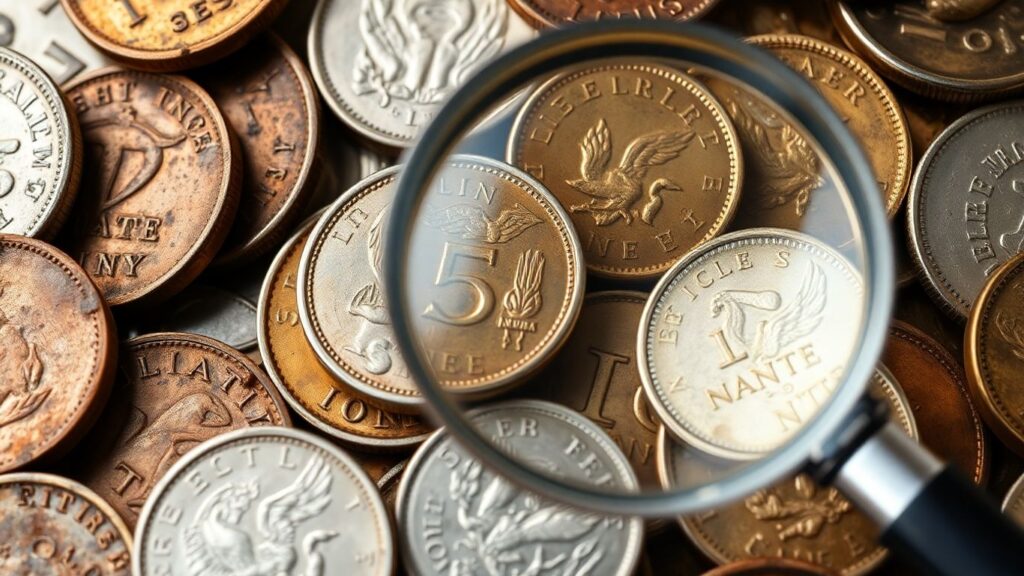
Thinking about selling some of your old coins? It’s a common question that pops up: should you clean your coins before selling them? You might look at a coin that’s a bit dull or dusty and think a quick wipe-down will make it look much better, right? Well, hold on a second. In the world of coin collecting, this decision is a big deal, and doing the wrong thing could actually cost you money. Let’s break down why cleaning might not be the best idea and what experts really recommend.
Key Takeaways
- Generally, avoid cleaning your coins before selling them. Cleaning can damage the coin’s surface and remove its natural patina, which collectors value.
- The patina, or natural tarnish, on a coin is often seen as a sign of its age and authenticity. Removing it can significantly lower a coin’s numismatic value.
- Improper cleaning can cause physical damage like scratches or chemical reactions that discolor the coin, making it less appealing and valuable to buyers and graders.
- While cleaning is usually not advised, very specific situations like heavily grimy bullion coins might allow for gentle cleaning with distilled water, but caution is paramount.
- Focus on proper storage, limited handling, and professional appraisals to maximize your coin’s value instead of risking damage through cleaning.
The Golden Rule: Should You Clean Your Coins Before Selling Them?
So, you’ve got a pile of old coins, maybe found in a grandparent’s attic or dug up in the backyard. Naturally, the first thought might be to give them a good scrub to make them shine. But hold on a second! Before you reach for the soap and water, let’s talk about something really important: cleaning coins can actually hurt their value. It’s a bit like trying to fix a vintage car – you might think you’re improving it, but you could end up doing more harm than good.
Understanding the Impact of Cleaning on Coin Value
When it comes to collectible coins, their value isn’t just about how much metal they contain. A big part of what makes a coin desirable to collectors is its history and its original state. Think of patina – that’s the natural tarnish or discoloration that develops over time. For many coins, this patina is a sign of age and authenticity. It tells a story. When you clean a coin, you’re often removing this patina, and that can make it look artificial or altered. Collectors and dealers usually prefer coins that look just as they did when they were found, or as close to it as possible. Removing that natural look can significantly drop what someone is willing to pay.
Why Experts Advise Against Cleaning Most Coins
Most coin experts will tell you the same thing: if you’re unsure, don’t clean it. It’s a simple rule, but it’s incredibly important. Why? Because improper cleaning can cause irreversible damage. You might think you’re just wiping off some dirt, but you could be scratching the surface with tiny abrasions that are only visible under magnification. These aren’t just cosmetic flaws; they’re seen as damage by grading services and collectors. This damage can lead to a coin being given a lower grade, or even a special ‘details’ grade, which signals to buyers that the coin has been tampered with. This almost always results in a lower selling price compared to an uncleaned coin of the same rarity and condition.
The Significance of Patina in Numismatics
Patina is more than just tarnish; it’s a historical marker. It forms over decades, sometimes centuries, as the metal reacts with its environment. The color and texture of the patina can even provide clues about where a coin has been stored or what conditions it has endured. For numismatists (that’s coin collectors and experts), patina is often a desirable characteristic. It adds to the coin’s character and authenticity. Imagine a beautiful old painting that’s been over-painted – it loses some of its original charm and historical integrity. The same applies to coins. While heavily soiled coins might seem like an exception, the general consensus is that preserving the original surface, including its patina, is the best way to maintain a coin’s numismatic value.
The temptation to make a coin look ‘better’ by cleaning it is strong, but it’s a trap many new collectors fall into. What looks cleaner to you might look damaged and less authentic to someone who buys and sells coins for a living. It’s a tough lesson, but often, the best action is no action at all when it comes to cleaning potentially valuable coins.
Assessing the True Value of Your Coins
Before you even think about cleaning your coins, you really need to get a handle on what they’re actually worth. It’s not just about how shiny they are; a lot more goes into it. Understanding these factors is the first step to not messing up their value.
Factors Determining a Coin's Worth
So, what makes one coin worth more than another? It’s a mix of things, really. You’ve got the basics like how old it is and what it’s made of, but then there are the more nuanced bits.
- Rarity: How many of these coins were made, and how many still exist today? Fewer coins usually mean higher value.
- Demand: Are collectors actively looking for this specific coin? Popular coins can fetch more, even if they aren’t super rare.
- Condition: This is a big one. A coin that’s been worn down or damaged will be worth less than one that looks almost new.
- Historical Significance: Sometimes, a coin’s story or its connection to a particular event can add to its appeal and price.
The Role of Condition and Grade
When people talk about a coin’s condition, they’re usually talking about its grade. Think of it like a report card for the coin. The better the grade, the more it’s generally worth. The Sheldon coin grading scale is a common way to measure this, ranging from 1 (poor) to 70 (perfect mint state). A coin that’s been handled a lot will have visible wear, like scratches or worn-down details, which lowers its grade. Even tiny marks you can barely see can make a difference to serious collectors.
Rarity, Mint Marks, and Demand
Beyond just the general condition, specific details can really boost a coin’s value. A mint mark, for instance, tells you where the coin was made. Some mints produced far fewer coins than others, making those coins rarer. For example, a coin from the "D" mint (Denver) might be more sought after than one from the "P" mint (Philadelphia) for a particular year. You also have to consider the overall market. Is this coin something a lot of people want right now? Sometimes, a coin’s popularity can change over time, affecting its price. It’s a bit of a balancing act between how many exist, how many people want them, and what state they’re in.
Trying to guess a coin’s value without knowing these details is like trying to sell a house without an inspection. You might get lucky, but you’re probably leaving money on the table or, worse, getting ripped off.
The Risks of Improper Coin Cleaning
So, you’ve got some old coins and you’re thinking a little scrub will make them look amazing, right? Hold on a second. While the idea of a shiny, like-new coin is tempting, messing with cleaning can actually do more harm than good, especially if you’re planning to sell.
Physical Abrasions and Surface Damage
This is probably the most common problem. Think about it: coins have intricate designs and smooth surfaces. When you rub them with a cloth, a brush, or even just your finger, you can create tiny scratches. These aren’t usually visible to the naked eye at first, but they are there. Over time, especially with repeated handling or aggressive cleaning, these scratches can become quite noticeable. They break up the coin’s original surface, and collectors and dealers really don’t like that. It’s like taking a perfectly good painting and giving it a good scrub with sandpaper – you just ruin the finish.
Chemical Reactions and Discoloration
Then there are the chemicals. Maybe you’re thinking of using some household cleaner or a special coin dip you saw online. Big mistake. Many cleaning solutions contain acids or other harsh substances that can react with the metal of the coin. This can cause discoloration, pitting, or even a strange, unnatural shine that screams ‘cleaned!’ This kind of damage is often permanent. The coin might look brighter for a moment, but you’ve essentially altered its natural state, and that’s a major turn-off for anyone serious about numismatics.
Loss of Historical Integrity and Authenticity
This is where things get really serious. Many older coins develop something called a ‘patina.’ It’s a natural layer that forms over decades, sometimes centuries, due to the coin’s environment. This patina isn’t just tarnish; it’s a sign of the coin’s age and its journey through time. For collectors, patina is a big deal. It adds character and is often seen as proof of a coin’s authenticity. When you clean a coin, you often strip away this natural patina. What you’re left with is a coin that looks artificial, like it’s trying too hard to look new. This loss of historical integrity can drastically reduce a coin’s appeal and, consequently, its market value. It’s like trying to sell an antique table after you’ve sanded it down and varnished it – you’ve removed all the history that made it special.
The temptation to make a coin look ‘better’ by cleaning it is strong, but it’s a gamble that rarely pays off. The subtle signs of age and history are often what give a coin its true numismatic worth. Once those are gone, they’re usually gone for good, taking a significant chunk of the coin’s value with them.
When Cleaning Might Be Acceptable
Okay, so we’ve talked a lot about not cleaning your coins, and for good reason. Most of the time, leaving them alone is the best bet for keeping their value. But, like most things, there are a few exceptions to the rule. Sometimes, a little bit of careful cleaning might actually be okay, or even necessary.
Handling Heavily Tarnished or Grimy Coins
If you’ve got a coin that’s just covered in gunk – like, really thick dirt, grime, or even some weird residue – that’s obscuring all the details, you might be tempted to scrub it. In these rare cases, a very gentle cleaning might be considered, but you have to be super careful. We’re talking about trying to reveal what’s underneath, not trying to make it look brand new. Think of it like gently dusting off an old statue versus trying to repaint it. The goal is preservation and clarity, not a makeover.
The key here is ‘gentle’. If you can’t see the coin’s design clearly because of dirt, a light touch might be needed. But if the coin looks okay, just a bit dull, leave it be. You don’t want to accidentally remove something important or create new problems.
Bullion Coins and Metal Content Value
Now, this is a different ballgame. Bullion coins, like gold or silver Eagles, Maples, or Krugerrands, get their main value from the precious metal they contain. They aren’t usually collected for their historical significance or rarity in the same way as, say, an old Morgan dollar. So, if your bullion coin is just looking a bit dingy or has some surface tarnish that doesn’t affect the metal’s weight or purity, a cautious cleaning might be acceptable. The idea is to keep the metal content looking its best, not to preserve some ancient patina. Just remember, even with bullion, go easy. You don’t want to scratch it up.
Non-Collectible Modern Coins
Got a pocket full of modern pennies or quarters from the last few years that are just common circulation finds? These usually don’t have much numismatic value. If one of these is looking particularly grimy or has some weird spot on it, and you’re not planning on selling it to a serious collector, you could potentially clean it. Think of it more like tidying up an everyday object. However, even here, it’s worth pausing. If you’re unsure, it’s always safer to just leave it. The risk of devaluing something you didn’t realize had a little worth is always there.
Safe Cleaning Methods for Specific Coin Types
Okay, so we’ve talked a lot about not cleaning your coins, and honestly, that’s usually the best advice. But what if you’ve got a coin that’s just covered in gunk, or maybe it’s a bullion piece where the metal value is the main thing? Sometimes, a very gentle touch-up might be considered, but you have to be super careful. It’s like performing surgery on a historical artifact – you don’t want to mess it up.
Using Distilled Water for Bullion
For coins where the value is mostly in the metal itself, like gold or silver bullion coins, a light cleaning might be okay if they’re just grimy. The key here is to use only distilled water. Tap water has minerals and stuff in it that can actually leave spots or react with the metal, which is the opposite of what you want. You’d just want to give it a gentle rinse, maybe with a very soft brush if absolutely necessary, and then let it air dry completely. The goal is to remove surface dirt, not to make it look brand new.
Gentle Methods for Dirt Removal
If you have a coin that’s not super valuable but is just coated in dirt that’s hiding details, you might try a few things. Think of it as trying to get mud off a rock, not polishing a gem.
- Soaking: Sometimes, just letting the coin sit in distilled water for a bit can loosen up dirt. Don’t scrub it while it’s soaking, just let the water do its thing.
- Soft Brush: If soaking doesn’t cut it, you could try a very soft brush, like a camel hair artist’s brush. Use it gently, only on the dirt, and don’t apply any pressure.
- Air Drying: Always let coins air dry completely on a soft cloth. Don’t rub them with a towel, as that can cause scratches.
Avoiding Harsh Chemicals and Abrasives
This is the big one. Seriously, just don’t do it. Things like household cleaners, toothpaste, baking soda, or even rubbing alcohol can do way more harm than good. They can strip away the natural surface of the coin, cause chemical reactions, or leave microscopic scratches that ruin its appearance and value.
When in doubt, always err on the side of caution. If a coin has any potential numismatic value, it’s almost always better to leave it as is, even if it looks a bit dirty. The risk of permanent damage and value loss is just too high for most collectors.
Remember, even these gentle methods carry some risk. If the coin is rare or has significant historical importance, it’s best to consult a professional numismatist before attempting any cleaning.
Maximizing Coin Value Without Cleaning
So, you’ve got some coins and you’re thinking about selling them. It’s super tempting to give them a little scrub to make them shine, right? But hold on a second. Most of the time, messing with a coin’s natural look can actually hurt its value more than help. The real trick is to preserve what you have and present it in the best possible way, without actually touching that surface.
Proper Storage Techniques
Think of your coins like delicate historical artifacts. The less they’re handled, the better. Storing them correctly is your first line of defense against damage and degradation. You want to keep them in an environment where they won’t react with anything.
- Use inert holders: This means plastic flips or slabs made from materials like Mylar, PVC-free polypropylene, or polyethylene. Avoid anything that feels soft or sticky, as that can leach chemicals onto the coin over time.
- Consider individual packaging: Each coin should ideally have its own space. This prevents them from rubbing against each other, which can cause microscopic scratches.
- Control the environment: Keep your storage area cool, dry, and away from direct sunlight. High humidity can lead to corrosion, and temperature swings aren’t great either.
Limiting Handling and Fingerprints
Every time you pick up a coin, you’re leaving behind oils and acids from your skin. These might seem invisible, but over time, they can cause spotting or even corrosion on the coin’s surface. It’s a big no-no for serious collectors.
- Handle coins by their edges: Always use your thumb and forefinger to hold the coin from the side. Never touch the obverse (front) or reverse (back).
- Use cotton gloves: If you need to handle coins more extensively, especially for photography or detailed inspection, wear clean cotton gloves. They create a barrier between your skin and the metal.
- Minimize unnecessary handling: Ask yourself if you really need to take the coin out of its holder. If it’s already in a good protective case, leave it there.
The Importance of Acid-Free Holders
This ties back to storage, but it’s worth emphasizing. Not all plastics are created equal when it comes to coins. Some common plastics, especially older ones, contain PVC (polyvinyl chloride). This stuff breaks down over time and releases acids that can permanently damage your coins, often leaving a green or brown residue.
The goal is to protect the coin’s original state. Think of it as preserving its story. Any alteration, even something as simple as a fingerprint left behind, can subtly change that narrative and, unfortunately, its market appeal.
- Look for labels: Reputable coin supply companies will clearly label their products as "PVC-free" or "acid-free." If you’re unsure, it’s better to err on the side of caution and find a different product.
- Check older supplies: If you inherited coin supplies or have had them for a long time, inspect them carefully. If they feel sticky or have a strong chemical smell, it’s probably time to replace them.
- Consider professional grading slabs: Coins that have been professionally graded and encapsulated (slabbed) by services like PCGS or NGC are already in the most secure, inert holders available. This is often the best long-term storage solution.
The Role of Professional Appraisals
Understanding Your Coin's True Worth
So, you’ve got some old coins lying around, maybe from a grandparent or found tucked away somewhere. It’s easy to look at them and think, "These look pretty old, they must be worth a fortune!" But honestly, figuring out what a coin is really worth is way more complicated than just looking at its age. That’s where getting a professional appraisal comes in handy. These folks know coins inside and out, and they can tell you if you’ve got a hidden gem or just a common piece of metal.
Identifying Subtle Characteristics
Experts can spot things you’d probably miss. They look at the tiny details – like the way the metal looks, any faint scratches, or even if a coin has been messed with in the past. They know about things like original mint marks, wear patterns from being handled over the years, or if someone tried to alter the coin somehow. These little details can make a big difference in how much a coin is worth. It’s not just about the big picture; it’s the small stuff that counts.
Gaining Expert Insights into Market Trends
Appraisers don’t just look at your coin in isolation. They also know what’s happening in the coin collecting world right now. They understand which types of coins are popular, what collectors are looking for, and how the market is moving. This knowledge helps them give you a more accurate idea of your coin’s value today, and maybe even what it might be worth down the line. It’s like getting a weather report for the coin market – they know what conditions to expect.
- Get a realistic value: Avoid disappointment by knowing what your coins are actually worth.
- Identify potential damage: An expert can spot if a coin has been cleaned or altered, which can hurt its value.
- Learn about your collection: You’ll gain knowledge about the history and significance of your specific coins.
- Prepare for selling: An appraisal helps you set a fair price and understand what buyers might be looking for.
Sometimes, the best way to figure out what your coins are worth is to ask someone who does this for a living. They have the tools and the experience to look at your coins properly and give you a solid idea of their value, without you having to guess or potentially damage them yourself.
Navigating the Selling Process
So, you’ve decided it’s time to part with some of your coins. That’s a big step! Before you rush off to the first buyer you find, take a moment. Selling coins isn’t quite like selling old clothes; there’s a bit more to it if you want to get a fair shake. It’s about being smart and knowing who you’re dealing with.
Researching Reputable Coin Buyers
This is probably the most important step. Not all coin buyers are created equal. Some are great, some are just okay, and some might try to take advantage of someone who doesn’t know much about coins. You want to find people who have a good name in the coin community. Look for dealers who specialize in the types of coins you have. A place that buys everything might not know the true value of your rare silver dollar.
- Check online reviews and forums. See what other collectors are saying.
- Ask for recommendations from other collectors or local coin clubs.
- Look for dealers who are members of professional numismatic organizations.
Understanding Dealer Preferences
Dealers buy coins to make a profit. That’s just how business works. So, they’re going to offer you a price that’s lower than what you might see a coin listed for in a retail catalog. They need room to clean, grade, and then sell the coin for more than they paid. It’s called the wholesale price. Don’t be surprised if the offer is significantly less than you hoped for. It’s their job to buy low.
Remember, you don’t have to accept the first offer you get. If a dealer’s price seems too low, politely thank them for their time and look elsewhere. You’re in control of the sale.
Preparing Coins for Sale
This goes back to the whole cleaning debate. Generally, you want to present your coins as they are, without messing with them. If you’ve stored them properly, they should be in decent shape. Make sure they’re not in flimsy plastic flips that could scratch them. Acid-free holders are your friend here. Also, try to handle them as little as possible. Those fingerprints can actually cause damage over time.
- Keep coins in their protective holders.
- Avoid touching the coin’s surface directly.
- Organize your coins if possible, perhaps by type or date, to make it easier for a buyer to look through them.
The Impact of Cleaning on Coin Grading
So, you’ve got some coins and you’re thinking about giving them a little scrub to make them shine before you sell them. Hold on a second, though. When it comes to selling coins, especially older or collectible ones, cleaning them can actually mess things up pretty badly with grading services. It’s a big deal.
How Grading Services View Cleaned Coins
Professional grading companies like PCGS and NGC have a pretty strict set of rules. They’re looking for coins in their original state. When a coin shows signs of being cleaned, it immediately flags it as altered. This means it won’t get a standard numerical grade (like a 65 or a 70). Instead, it gets a "details grade." This grade basically tells potential buyers that the coin has been tampered with. This "details grade" is almost always a significant downgrade in value. It’s like telling everyone the coin’s history has been wiped clean, and not in a good way.
Details Grades and Market Appeal
A details grade isn’t just a technicality; it really affects how much someone is willing to pay. Collectors, especially those who know their stuff, want coins that look as close to how they did when they were first minted, patina and all. That natural toning or "dirt" that builds up over time? For many coins, that’s actually a sign of authenticity and age, something numismatics really value. When you clean that off, you’re removing a piece of the coin’s story. It makes the coin look artificial and less desirable. Think about it: would you rather buy a vintage piece of furniture that’s been restored with modern paint, or one that shows its age gracefully? It’s kind of the same idea.
Examples of Value Loss Due to Cleaning
We’ve seen this happen time and time again. Take an old silver dollar that might have been worth thousands. If someone decides to polish it up, thinking they’re improving it, they could easily knock thousands off its value. Even something as simple as rubbing it with your thumb can leave microscopic scratches that a grader will spot. It’s not just about making it look shiny; it’s about preserving its original surfaces. For many coins, especially those with historical significance, the original surface is a huge part of their appeal and worth. If you’re unsure about a coin’s condition, it’s always better to consult with a professional numismatist before doing anything that could affect its original state.
Here’s a general idea of how cleaning can impact value:
| Coin Type | Potential Value (Uncleaned) | Potential Value (Cleaned) | Notes |
|---|---|---|---|
| Rare Ancient Coin | $$$$$ | $ | Loss of patina, surface damage |
| Key Date Silver | $$$ | $$ | Details grade, loss of original luster |
| Common Circulated | $ | $ | Minimal impact, but still not advised |
The urge to make a coin look ‘better’ is understandable, but in the world of coin collecting, ‘better’ often means untouched. What looks like dirt or tarnish to a novice can be a valuable historical marker to an expert. Cleaning can irreversibly damage this historical narrative, leading to a significant financial loss.
Seeking Expert Guidance for Your Collection
So, you’ve got some coins, and you’re wondering what they’re really worth, or maybe you’re thinking about selling them. It’s easy to get lost in all the information out there, and honestly, trying to figure it all out yourself can be a real headache. That’s where getting some help from people who know coins inside and out really comes in handy.
Consulting Numismatic Professionals
When you’re dealing with coins, especially older ones or ones that look like they might be valuable, it’s always a good idea to talk to someone who specializes in them. These folks are called numismatists, and they’ve spent years learning about different coins, their history, and what makes them collectible. They can spot things that the average person would totally miss, like subtle mint marks or signs of wear that affect value. They’re the ones who can tell you if that old penny is just pocket change or a potential treasure.
Benefits of Free Consultations
Many coin dealers and numismatic services offer free initial consultations. This is a fantastic way to get a feel for their knowledge and see if you click with them before committing to anything. During these chats, you can ask questions about your coins, get a preliminary idea of their condition, and understand what steps you might need to take next. It’s a low-pressure way to learn more about your collection and get some initial advice. Think of it as a free check-up for your coins.
Trusting Experienced Dealers
Finding the right person to trust is key. Look for dealers who have been in the business for a while and have a good reputation. You can often find these dealers through coin clubs or by asking other collectors. When you talk to them, be upfront about what you’re looking for, whether it’s an appraisal or just advice on selling. An experienced dealer will be honest about your coins’ worth and won’t pressure you into a sale. They understand that building trust is important for long-term relationships, and they’re often happy to share their knowledge to help you sell your coin collection with confidence [d475].
Here’s a quick rundown of what an experienced dealer can help with:
- Identifying the coin’s date, mint mark, and denomination.
- Assessing the coin’s condition and grade.
- Researching the coin’s rarity and market demand.
- Advising on the best selling options for your specific coins.
Sometimes, the best way to figure out what your coins are worth is to simply ask someone who does this for a living. They’ve seen it all before and can save you a lot of time and potential mistakes. It’s better to get it right the first time than to regret a decision later on.
So, Should You Clean Your Coins?
Alright, so we’ve talked a lot about cleaning coins. The big takeaway here is that for most old or collectible coins, it’s usually best to just leave them be. That natural tarnish, or patina, is actually a good thing – it shows the coin’s age and history. Trying to scrub it off can easily scratch the surface or mess up the details, which collectors really don’t like. It can actually make your coin worth less. If you’re unsure about a coin, especially if it looks like it might be valuable, your best bet is to ask someone who knows their stuff, like a professional coin dealer. They can tell you if cleaning is even an option, and if so, how to do it without ruining the coin. Otherwise, just store them carefully and let them be.
Frequently Asked Questions
Why shouldn't I clean my old coins?
Cleaning old coins can actually make them worth less money. The natural tarnish or “patina” on a coin shows its age and history. When you clean it off, it looks fake and collectors don’t like that. It’s like erasing the coin’s story.
What is patina and why is it important?
Patina is the natural coating that forms on a coin over many years. It’s a sign that the coin is old and real. Collectors see patina as a good thing because it proves the coin hasn’t been messed with.
Can cleaning damage a coin's surface?
Yes, absolutely! Using rough cloths, chemicals, or even brushing too hard can scratch or wear away the coin’s surface. These tiny scratches are permanent and can make the coin look bad, lowering its value.
Are there any times when cleaning a coin is okay?
It’s rare, but sometimes okay for coins that are mostly valued for their metal content, like gold or silver bullion coins. Also, very dirty modern coins with no collector value might be gently cleaned. But always be super careful.
What are safer ways to handle dirty coins?
If you must clean, use only distilled water and very soft materials. Avoid soaps, cleaners, or anything that might scratch. For most valuable coins, it’s best to just leave them as they are or let a professional handle it.
How can I protect my coins without cleaning them?
Store your coins carefully in special holders that don’t harm them. Handle them only by the edges, and try not to touch the surfaces. Keeping them in a dry, safe place helps prevent damage.
What do coin experts think about cleaning?
Most coin experts strongly advise against cleaning. They say that the natural, uncleaned state of a coin is almost always more valuable than a cleaned one. They prefer to see the coin’s original history.
What happens if a coin is cleaned before being graded?
If a coin is cleaned, grading services will usually give it a “details grade.” This means it’s been altered and will be worth much less than a coin that hasn’t been cleaned, even if it’s a rare coin.