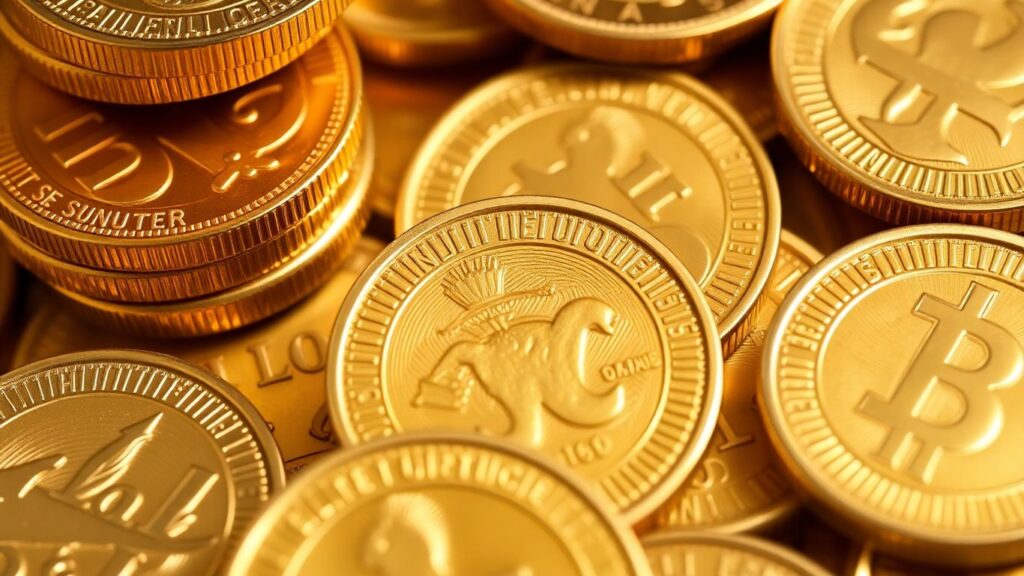
So, you’ve got some gold coins and you’re wondering if they’re the real deal? It happens. With gold being so valuable, people try to pass off fakes, and honestly, some can look pretty convincing. Whether you’re a seasoned collector or just starting out, knowing how to check if your gold coins are authentic is super important. You don’t want to end up with something that’s not worth what you thought. Let’s break down some straightforward ways to tell the difference and keep your investments safe.
Key Takeaways
- Always check the coin’s weight and size against official specs. Real gold has a specific density.
- Examine the coin’s details closely. Genuine coins have sharp, clear designs, while fakes often look blurry or have rough edges.
- Simple tests like the magnet test (gold isn’t magnetic) and the ping test (real gold has a distinct ring) can offer clues.
- Look for official hallmarks or specific marks that indicate authenticity and purity.
- When in doubt, always buy from trusted dealers and consider getting professional help from a jeweler or numismatist.
Essential Physical Characteristics To Examine
When you first get your hands on a gold coin, before you even think about fancy tests, take a good, long look at it. The real deal often gives itself away through its physical traits. It’s like looking at a painting – you can often tell a masterpiece from a fake just by the brushstrokes and the overall feel.
Verify The Coin's Weight And Dimensions
Gold is a pretty dense metal. This means that genuine gold coins have very specific weights and sizes. If you have a decent scale, now’s the time to use it. Compare the weight you get with the official specs for that particular coin. For instance, a 1-ounce gold coin should weigh exactly that, not a smidge more or less. The same goes for its diameter and thickness; they should match what the mint says they should be. If a coin feels too light or too big for its stated weight, that’s a definite warning sign. Even the best fakes sometimes struggle to get these measurements just right. You can find official specifications for most coins online, which is a good starting point for your own research.
Inspect The Quality Of The Strike And Details
Take a close look at how well the design is imprinted. Real gold coins are made with a lot of precision. Any images, writing, or patterns should be sharp, clear, and without rough edges. Little details, like the strands of hair on a portrait or the fine lines in a pattern, should be easy to see. If the details look fuzzy, if lines seem to run into each other, or if the surface looks a bit mushy, it might not be genuine. Counterfeiters often miss these fine points.
Check For Official Hallmarks Or Specific Marks
Many legitimate gold coins will have official markings on them. These can include the mint’s mark, the purity of the gold (like .999 or 24K), and sometimes a unique serial number. These marks are usually very finely engraved and consistent. Look for these marks, and if they are present, examine them closely for clarity and proper placement. Sometimes, counterfeit coins will have these marks, but they might be poorly done, misspelled, or in the wrong spot. It’s worth comparing any markings you see to known examples of genuine coins.
Genuine gold coins are typically made with high precision, and this is reflected in their physical characteristics. Slight deviations in weight, dimensions, or the sharpness of the strike can be indicators of a fake.
Simple At-Home Tests For Authenticity
So, you’ve got a gold coin and you’re wondering if it’s the real deal? Before you go spending a ton of money on fancy equipment or professional help, there are a few things you can try right in your own home. These tests won’t give you a 100% guarantee like a lab can, but they can definitely help you spot the obvious fakes. It’s all about using what you know about gold and its properties.
The Magnet Test: Is Gold Non-Magnetic?
This is probably the easiest test you can do. Pure gold, and even most gold alloys used in coins, aren’t magnetic. So, grab a reasonably strong magnet – not the kind you stick on your fridge, but something a bit more powerful. Hold it close to your coin. If the coin is attracted to the magnet, or if it sticks, then you’ve got a problem. It’s almost certainly not pure gold, or even a significant gold alloy. It’s likely made of a base metal like iron or nickel, which are magnetic, and then just coated with a thin layer of gold. Genuine gold coins will show no reaction to the magnet whatsoever.
Observe The Mark Left On Ceramic
This one’s a bit more hands-on and requires an unglazed ceramic surface. Think the unglazed bottom of a ceramic tile or a piece of pottery. You’ll need to gently rub a small, inconspicuous part of your coin against this surface. If the coin is real gold, it should leave a yellowish or golden streak. If it leaves a black or grayish mark, that’s a pretty strong indicator that you’re dealing with a fake, likely a base metal coated in gold. Be gentle, though; you don’t want to damage your coin if it turns out to be genuine.
Perform The Nitric Acid Test
Okay, this test is a bit more involved and requires caution. Nitric acid is a strong chemical, and you need to handle it with care, preferably with gloves and in a well-ventilated area. You’ll also need a testing stone, which is usually a piece of dark, unglazed ceramic. First, you rub the coin on the testing stone to leave a small gold streak. Then, you apply a drop of nitric acid to that streak. The reaction tells you something. Different strengths of nitric acid react differently with gold alloys. A genuine gold coin will typically show little to no reaction, or a very specific color change depending on the acid’s strength and the gold’s purity. However, if the streak dissolves quickly or turns a different color, it’s a sign of a fake. Because this test can be tricky and requires specific materials, it’s often best left to professionals or done with a very clear understanding of the process.
Conduct The Ping Test
This test relies on the unique sound that gold makes when struck. Real gold coins, especially larger ones, tend to have a distinct, clear ringing sound when gently tapped or flicked. It’s often described as a high-pitched ‘ping’. Counterfeit coins, especially those made of cheaper metals or plated, often produce a duller thud or a shorter, less resonant sound. To do this test, you can gently flick the edge of the coin with your fingernail or a small metal object. Listen carefully to the sound it makes. You might need to compare it to a known genuine gold coin to really get a feel for the difference. It takes a bit of practice, but it can be surprisingly effective for spotting fakes that feel right but sound wrong.
While these home tests can be helpful, remember they are not foolproof. They are best used as initial screening methods. If a coin fails one of these tests, it’s highly suspect. If it passes, it doesn’t automatically mean it’s 100% authentic, especially against sophisticated counterfeits. Always consider combining these methods and, if in doubt, seek professional advice.
Understanding Counterfeit Coin Types
It’s a bummer, but the world of gold collecting and investing isn’t just full of shiny treasures; it’s also got its share of fakes. Counterfeiters are getting pretty good, so knowing what to look out for is super important. They use different tricks to make their fake coins look real, and if you’re not careful, you could end up with something worthless.
Recognize Gold-Plated Fakes
These are probably the most common type of fake you’ll run into. Basically, someone takes a cheaper metal coin, like copper or nickel, and coats it with a thin layer of real gold. From a distance, or even up close if you’re not paying attention, they can look pretty convincing. The problem is, that gold layer is usually pretty thin. Over time, or with a bit of wear, this plating can chip, scratch, or wear off, revealing the base metal underneath. You might notice a different color peeking through, or it might just not feel right. A key sign is often an unusually bright or slightly off-color sheen that doesn’t quite match genuine gold. Sometimes, these fakes can also leave marks on your skin if the plating wears thin, which is a definite red flag.
Identify Cast Fakes
Instead of striking a coin like the real ones are made, cast fakes are created by pouring molten metal into a mold. Think of it like making a chocolate coin, but with metal. This process often results in coins that lack the sharp, crisp details you’d expect from a genuine coin. The surfaces might look a bit mushy, the lettering could be less defined, and you might see tiny bubbles or imperfections from the molding process. Edges can also be rougher or less uniform. It’s hard for counterfeiters to perfectly replicate the high-pressure striking process used for authentic coins, so details often suffer.
Spot Altered Coins
This is a bit sneakier. Altered coins start out as genuine gold coins, but then someone modifies them to make them look like a more valuable or rare version. For example, they might try to add a mint mark to a common coin to make it seem like a rare variety, or they might try to smooth out imperfections to make a circulated coin look uncirculated. Sometimes, they might even try to combine parts of different coins. These can be really tough to spot because the base coin is real gold. You really need to know the specific details of the coin you’re looking at and compare it very carefully to known genuine examples. Checking the official mint specifications is a good start.
Be Aware Of Advanced Forgeries
These are the really sophisticated fakes. Counterfeiters use advanced technology, sometimes even mimicking the original minting process quite closely. They can get the weight and dimensions almost perfect, and the details might look incredibly sharp. These are the hardest to detect with simple at-home tests. They might even fool less experienced dealers. For these, you often need more advanced verification methods, like using specialized equipment or getting a professional opinion. It’s a good reminder that vigilance is always necessary when dealing with precious metals.
Advanced Verification Methods
So, you’ve done the basic checks, maybe even tried a few at-home tests. That’s great! But sometimes, especially with really high-value coins or if you’re still not totally convinced, you might need to bring out the big guns. These advanced methods go beyond what you can easily do yourself and offer a much higher level of certainty.
Utilize A Spectrometer For Accurate Analysis
This is where things get really scientific. A spectrometer is a piece of equipment that can tell you exactly what your coin is made of, down to the percentage of each element. It works by bombarding the coin with X-rays and then analyzing the way the metal responds. It’s super fast and incredibly reliable, meaning it can spot even the most convincing fakes that might fool other tests. If you’re dealing with a coin that’s worth a significant amount of money, or if you just want that absolute peace of mind, a spectrometer is the way to go. It’s a non-destructive way to get a precise chemical breakdown.
Seek Professional Appraisal Services
Sometimes, the best way to know for sure is to let someone who does this for a living take a look. Professional appraisers, like numismatists (that’s coin experts) or experienced jewelers who specialize in precious metals, have seen it all. They have a trained eye and often have access to specialized tools themselves. They can assess a coin not just by its metal content but also by its strike quality, historical context, and other subtle details that might indicate authenticity or a problem. It’s like taking your car to a mechanic you trust – they know what to look for.
Here’s a quick look at what professionals might consider:
| Factor Assessed | What They Look For |
|---|---|
| Metal Composition | Precise elemental makeup, purity levels |
| Weight & Dimensions | Exact measurements against official specifications |
| Strike & Detail Quality | Sharpness of design, clarity of lettering, edge reeding |
| Surface Characteristics | Patina, wear patterns, signs of tooling or alteration |
| Historical Context | Rarity, mint marks, known varieties, provenance |
When you’re considering professional help, remember that their assessment is based on a combination of scientific analysis, historical knowledge, and hands-on experience. They’re not just guessing; they’re applying years of learning to your specific coin.
The Importance Of Documentation And Provenance
When you’re looking at gold coins, especially if you’re thinking about buying, the paperwork that comes with them is a really big deal. It’s not just about having a receipt; it’s about the story and proof behind the coin. This stuff can tell you a lot about whether it’s the real deal or not.
Examine Certificates Of Authenticity
Think of a Certificate of Authenticity (COA) as the coin’s ID card. It should lay out the important details: the exact weight, the purity of the gold (like 99.99% pure), and sometimes even a unique serial number. This document is your first line of defense against fakes. Without a proper COA, or if it looks off, you should be very suspicious. It’s like buying a car without a title – it just doesn’t feel right, does it?
Review Invoices And Manufacturer Information
Don’t toss that purchase receipt! It needs to clearly show what you bought, how much you paid, the date of sale, and who sold it to you. This is your proof of purchase. Also, pay attention to who actually made the coin or bar. Big, well-known refiners, the kind that are often certified by groups like the LBMA, are usually a good sign. If you’re buying a bullion coin, make sure the manufacturer is clearly stated and that they’re a reputable name. It’s similar to choosing a trusted brand for anything else you buy.
Understand Product Numbering And Sealing
Many gold items, especially smaller ones, come in a sealed package, often called a blister pack. This seal isn’t just for show; it’s meant to prove that the item hasn’t been messed with since it left the mint or refinery. Often, this packaging will have a serial number that should match the one stamped on the gold itself. This is a great way to double-check things. If the seal is broken or the numbers don’t match up, that’s a big red flag.
Keeping all these documents in good shape is just as important as storing your gold properly. They’re key for selling it later and proving it’s legitimate. If the certificate says one thing, the seal another, and the invoice is vague, something’s probably wrong. It’s always a good idea to cross-reference everything.
Here’s a quick rundown of what to look for:
- Certificate of Authenticity: Check for accurate details on weight, purity, and any serial numbers. Make sure the printing looks professional and the information is consistent.
- Invoice/Receipt: Verify the seller’s details, date, item description, and price. A legitimate seller will provide clear documentation.
- Manufacturer Markings: Look for the mint or refiner’s mark. Reputable manufacturers have a history and reputation you can research. You can often find lists of recognized founders and refiners online.
- Sealed Packaging: If the item came sealed, ensure the seal is intact and any serial numbers on the packaging match the item itself.
Red Flags Indicating A Fake
Alright, so you’ve got a gold coin, and you’re trying to figure out if it’s the real deal or just a clever imitation. It happens more often than you’d think, especially with gold prices doing their thing. Luckily, there are some pretty obvious signs that can give away a fake if you know what to look for. Paying attention to these details can save you a lot of headaches and money.
Detect Discolorations Or Marks On Skin
One of the simplest checks you can do involves your own skin. Pure gold, or even high-quality gold alloys, generally won’t leave any marks. If you wear a piece of jewelry or a coin for a while and notice green or black smudges on your skin, that’s a pretty strong indicator that it’s not pure gold. This usually happens because the base metals mixed into the fake coin are reacting with your skin’s natural oils and sweat. It’s worth noting, though, that even some lower-karat gold jewelry (like 14k) might leave a faint mark because it has a good chunk of other metals in it. So, while this test is a good starting point, don’t rely on it alone.
Observe Irregularities In Reliefs Or Edges
Genuine gold coins are usually made with a lot of precision. The designs, the writing, and all the raised parts (that’s the relief) should be really sharp and clear. If you look at a coin and the details seem fuzzy, the raised bits don’t have much depth, or the edges are rough or uneven, it could be a fake. It’s tough for counterfeiters to perfectly copy the fine details that real minting machines produce. Grab a magnifying glass if you have one and compare what you see to pictures of known authentic coins online.
Be Wary Of Unusual Weight Fluctuations
Weight is a big deal when it comes to gold coins. Every official bullion coin has very specific weight and size requirements, and these are public information. If a coin feels too light or too heavy for its size, or if its weight just doesn’t match the official specs, that’s a major warning sign. Fakes might be made from less dense metals, or sometimes they’re even filled with heavier stuff to try and trick you about the weight. So, having a good precision scale and knowing the exact specifications for the coin you’re looking at is super important.
Note Incorrect Markings Or Spelling Errors
This one might seem obvious, but you’d be surprised how often counterfeiters mess up the details. Look closely at any text or numbers on the coin. Are there any spelling mistakes? Does the font look a bit off compared to genuine examples? Sometimes mint marks might be missing or look wrong. These little errors are often dead giveaways. It’s always a good idea to compare the markings on your coin with high-quality images of authentic ones from a trusted source. If something looks even slightly off, it’s worth investigating further. Remember, if a deal seems too good to be true, it probably is; be wary of prices significantly below the current market value, as this is a major red flag for potential scams. Legitimate dealers won’t sell precious metals at prices that seem unbelievable.
When you’re assessing a gold coin, think of it like being a detective. You’re looking for clues that don’t quite add up. Small inconsistencies in appearance, weight, or markings might not seem like much on their own, but when you see a few of them together, they paint a pretty clear picture of a fake.
Here’s a quick rundown of what to watch out for:
- Skin Discoloration: Green or black marks on your skin after contact.
- Poor Strike Quality: Blurry details, lack of sharpness, or uneven edges.
- Weight Discrepancies: The coin feels too light or too heavy for its known dimensions.
- Textual Errors: Misspellings, incorrect fonts, or missing/wrong mint marks.
- Magnetic Attraction: Gold itself is not magnetic. If a magnet sticks to it, it’s definitely not pure gold.
Trusting Reputable Sources
When you’re looking to buy gold coins, especially if you’re not an expert yourself, sticking with places that have a good name is a really smart move. It’s like buying anything else important – you want to know it’s coming from someone reliable. This can save you a lot of headaches down the road.
Buy From Recognized Founders and Refiners
Think about the big companies that actually make the gold bars and coins. These places, like Umicore or Heraeus, have reputations to protect. They have to follow strict rules, and their products usually meet international standards, like the LBMA’s ‘Good Delivery’ standard. This means their gold is accepted pretty much everywhere without question. Buying directly from or through a recognized refiner is a solid first step to avoid getting duped. It’s a good idea to check out online dealers for precious metals that work with these reputable sources.
Consult With Trusted Dealers or Brokers
Finding a dealer you can count on is key. Look for dealers who have been around for a while and have good reviews. Sometimes, a dealer might offer you a deal that seems too good to be true – like gold coins priced way below the going rate. That’s usually a big warning sign. Genuine gold has a market value, and if someone’s selling it for much less, you should be suspicious. Always do your homework on the dealer before you hand over any cash.
It’s always better to be safe than sorry when making a significant investment. Take the time to research and check online reviews, and ask friends or colleagues for recommendations. Choosing a registered dealer can greatly reduce the chance of being swindled.
Here are a few things to keep in mind when choosing a dealer:
- Check their history: How long have they been in business?
- Look for reviews: What do other customers say about them?
- Verify their credentials: Are they members of any industry associations?
- Ask questions: A good dealer will be happy to answer all your questions about the coins and their authenticity.
Expert Consultation For Reliable Assessment
Even after you’ve done all the home tests and checked the paperwork, sometimes you just need a second pair of eyes, you know? That’s where bringing in the pros really makes a difference. These folks have the specialized gear and the know-how to tell you for sure if that coin is the real deal or just a clever fake. It’s like having a detective for your gold.
Consult a Jeweler or Numismatist
Your first stop might be a local jeweler. Many of them know their way around precious metals and can often spot a fake just by looking and feeling its weight. But if you’re dealing with something older or with a lot of history, a numismatist is your go-to. These are the coin specialists. They know all the tiny details about different mintings, how much they should weigh, and what alloys were used way back when. Don’t be shy about asking for their opinion; it could save you a headache.
- Visual Inspection: They’ll look for subtle flaws in the coin’s design, edges, and color that you might miss.
- Weight and Dimension Check: Professionals have precise scales and calipers to compare your coin against official specs.
- Experience Matters: Make sure they’ve worked with the type of gold coins you have before.
Sometimes, even with all the right paperwork, a coin can still be questionable. Getting an expert’s opinion is an extra layer of security that can give you real peace of mind. It’s a step that’s definitely worth considering, especially for valuable pieces.
Consider Professional Grading Services
For the highest level of certainty, especially if you’re buying or selling a significant piece, professional grading services are the way to go. These services don’t just tell you if a coin is real; they also assess its condition and assign a grade. This grade can significantly impact the coin’s value. Reputable grading companies use strict standards and highly trained experts to authenticate and grade coins. It’s a bit like getting a report card for your coin, confirming its authenticity and condition.
Wrapping It Up
So, we’ve gone over a bunch of ways to check if that gold coin in your hand is the real deal. It’s not always easy, and sometimes fakes can look pretty convincing. Remember to check the weight and size, see if it sticks to a magnet, and look closely at the details. If you’re still not sure, or if the coin is worth a lot, it’s always a smart move to ask someone who really knows their stuff, like a jeweler or a coin expert. Buying from sellers you trust is also a big help in avoiding problems from the start. Stay sharp out there!
Frequently Asked Questions
How can I tell if a gold coin is real without special tools?
You can start by looking closely at the coin. Real gold coins have very clear details and sharp edges. Also, check its weight and size against what it’s supposed to be. Gold is heavy, so if it feels too light or looks too big for its weight, be suspicious. A simple trick is the magnet test: pure gold doesn’t stick to magnets. If it does, it’s likely not real gold.
What's the deal with the weight and size of gold coins?
Gold is a dense metal, meaning it’s heavy for its size. Because of this, real gold coins are made to very exact measurements. If a coin you have doesn’t match the official weight or size for that specific coin, it’s a big warning sign. Fake coins often get the weight or dimensions wrong because they use different metals.
Are there any simple home tests I can do on a gold coin?
Yes, a few! The magnet test is easy – gold isn’t magnetic. You can also try the ceramic test: rub the coin gently on an unglazed ceramic plate. If it leaves a gold streak, it’s likely real. A gray or black streak means it’s probably fake. Another is the ping test: tap the coin gently and listen to the sound. Real gold often makes a clear, ringing sound that lasts longer than fake coins, which sound dull.
What should I look out for if a coin looks a bit off?
If you see weird colors, like black or green spots, on the coin, that’s a bad sign. Real gold doesn’t usually tarnish like that. Also, check the details very carefully. Are the pictures and words sharp, or are they blurry and unclear? Are the edges smooth or rough? If the coin looks poorly made or has mistakes in the writing, it might be fake.
Why is it important to check for official marks or stamps?
Many real gold coins have special marks, like a mint mark (where it was made) or purity stamps (like ‘999’ for pure gold). These marks are usually very precise and well-made. Counterfeiters might get these wrong, making them look messy or misspelled. Checking these official stamps can give you a good clue about whether the coin is genuine.
What are 'cast fakes' and how do I spot them?
Cast fakes are made by melting metal and pouring it into a mold. This method often doesn’t capture the super-fine details that real coins have, which are usually stamped. So, cast fakes might look a bit softer, less sharp, or have tiny bubbles or rough spots that you wouldn’t see on a genuine, stamped coin. The details might seem a little blurry.
How important are certificates of authenticity?
Certificates of authenticity (COAs) are very important! They are like a birth certificate for your coin, showing who made it, when, and its purity. Always check if the coin came with one, and make sure the information on the certificate matches the coin itself. Also, look at the product number and sealing – these should be consistent and look official. If the paperwork seems off or missing, be extra careful.
When should I get an expert to check my gold coin?
If you’ve done your home tests and still have doubts, or if the coin is very valuable, it’s always a smart move to ask an expert. This could be a jeweler who specializes in precious metals or a coin expert called a numismatist. They have special tools and lots of experience to tell you for sure if your coin is real. It’s better to be safe than sorry!