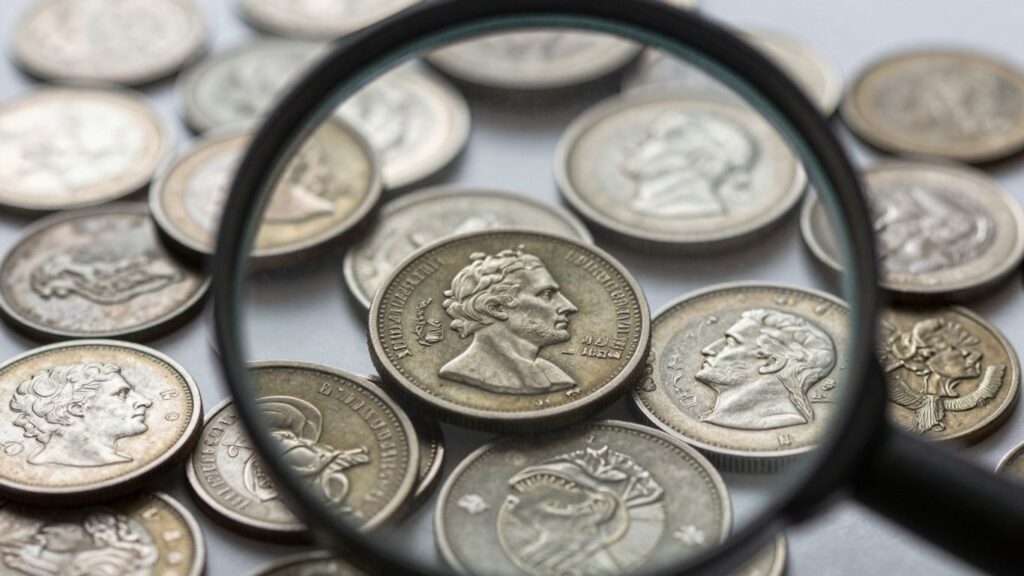
Thinking about selling some of your old coins? It’s easy to just take them to the first shop you find, but you might be leaving money on the table. Learning how to research your coins before selling can make a big difference in what you get for them. It’s not as complicated as it sounds, and with a little effort, you can get a much better idea of what your coins are really worth. Let’s figure out how to get the most for your collection.
Key Takeaways
- Don’t clean your coins. Trying to make them shine can actually lower their value because experts can see the damage.
- Use reliable sources like price guides, grading services, and auction records to get a realistic idea of your coin’s worth.
- Check for authenticity by looking closely at mint marks, design details, and comparing specifications with trusted references.
- Understand that factors like rarity, condition, collector demand, and historical significance all play a big part in a coin’s value.
- Get multiple opinions and appraisals before selling to ensure you’re getting a fair price and understand the difference between buy and sell prices.
Understanding Your Coin's Intrinsic Value
So, you’ve got some coins lying around and you’re wondering what they’re actually worth? It’s not just about the metal they’re made of, though that’s part of it. The real value, the intrinsic worth, comes from a mix of things. It’s like figuring out what makes a piece of art special – there’s more to it than just the canvas and paint.
Identifying The Type And Era
First things first, you need to know what you’re looking at. Is it a quarter from the 1950s, a silver dollar from the Wild West, or something even older? Knowing the coin’s type (like a Lincoln cent or a Morgan dollar) and the time period it came from is the absolute starting point. This helps you figure out its original purpose and context. Was it a common coin for everyday use, or was it made for a special occasion? This basic identification is key to everything else.
Assessing Physical Condition
This is where things get a bit more detailed. How worn is the coin? Are the details sharp, or are they smoothed over from years of handling? Coin collectors use a grading scale, often from 1 to 70, to describe condition. A coin that looks almost brand new will be worth a lot more than one that’s been passed around as change for decades. Even small things like scratches or nicks can make a big difference. The better the condition, generally the higher the value.
Here’s a simplified look at condition:
- Mint State (MS): Looks like it just came from the mint. No wear at all.
- About Uncirculated (AU): Very slight wear, but most details are still sharp.
- Extremely Fine (XF): Moderate wear, but all major details are visible.
- Fine (F): Clear wear, but the coin is still easily identifiable.
- Good (G): Significant wear, major details are worn but visible.
Recognizing Rarity And Historical Significance
Sometimes, a coin isn’t rare just because not many were made, but because of its story. Did it come from a period of major historical change? Was it part of a famous collection? Maybe it has a unique error from the mint that makes it one-of-a-kind. These historical connections and unusual features can make a coin incredibly desirable to collectors, pushing its value way beyond what you might expect based on its age or condition alone. Think about coins tied to major events or famous people – they often carry extra weight.
Figuring out a coin’s true worth is like being a detective. You’re looking for clues in its design, its wear, and its past. It takes a bit of patience, but it’s how you find those hidden treasures.
Leveraging Expert Resources For Valuation
So, you’ve got some old coins lying around and you’re wondering what they’re actually worth. It’s easy to get lost in all the information out there, but thankfully, there are folks who really know their stuff. Tapping into these expert resources can make a huge difference in figuring out your coin’s real value.
Consulting Reputable Coin Dealers
When you’re ready to get a handle on your coin’s worth, talking to a coin dealer is often the first step. Look for dealers who are upfront about how they buy and sell coins, and who have a good name in the coin collecting world. These are the people who deal with coins every day and have a solid grasp of what’s happening in the market. They can give you a pretty good idea of what your coin might fetch.
- Seek out dealers who are members of professional organizations. Groups like the American Numismatic Association often have standards for their members.
- Ask about their buying and selling prices. Transparency here is a good sign.
- Don’t be afraid to get a second opinion. Visit a couple of different dealers to compare offers.
A good dealer will not only offer a fair price but also share knowledge about your coin’s history and significance. They are a gateway to understanding the numismatic community.
Utilizing Professional Grading Services
For coins that might be particularly valuable or rare, sending them off to a professional grading service is a smart move. These services have experts who will examine your coin closely and give it an official grade based on its condition. This grade is super important because it’s what serious collectors and buyers rely on. It takes a lot of the guesswork out of the equation and can really boost your coin’s appeal.
- PCGS (Professional Coin Grading Service) and NGC (Numismatic Guaranty Company) are the two biggest names. They have established grading standards.
- The grading process involves assessing factors like wear, strike, and surface preservation.
- A professionally graded coin often fetches a higher price because its condition is verified by a trusted third party.
Exploring Auction House Records
Auction houses are another fantastic resource, especially for seeing what coins have actually sold for recently. Major auction houses keep detailed records of their past sales. By looking through these records, you can get a real-time sense of the market. It’s like getting a peek behind the curtain to see what collectors are willing to pay for similar coins. This can be incredibly helpful when you’re trying to set a realistic price for your own collection.
- Check the "sold" or "realized price" sections on auction house websites.
- Look for coins that match yours in terms of type, date, mint mark, and condition.
- Pay attention to the date of the sale; market values can change over time.
Navigating Coin Value Guides
Alright, so you’ve got some coins and you’re trying to figure out what they’re actually worth. It’s easy to get lost in all the numbers and fancy terms, but coin value guides are your best friend here. Think of them like a roadmap for your collection.
Selecting Authoritative Price Guides
First off, you need a good guide. Not all of them are created equal, you know? Some are super general, while others focus on specific types of coins, like US currency or maybe just gold and silver pieces. It’s important to pick one that’s well-respected and, this is key, updated regularly. A guide from five years ago might not tell you much about what collectors are actually paying today. Look for guides that are known in the collecting community. The "Red Book" (A Guide Book of United States Coins) is a classic for a reason, but there are others too, depending on what you’re collecting.
Interpreting Market Versus Sentimental Worth
This is where things get a little tricky. A price guide will give you a market value – what someone might actually pay for it. But your coin might have sentimental worth to you, or maybe it has a cool story behind it. Don’t let personal attachment blind you to the actual market price. You need to be able to separate those two. A coin might be rare and historically interesting, but if nobody’s really looking to buy it right now, its market value might be lower than you’d expect. The guides help you see what the market thinks, not just what you feel about the coin.
Staying Updated On Market Trends
Coin values aren’t set in stone. They change. Think about it like the stock market, but for old metal discs. What’s hot one year might be less popular the next. Price guides are a snapshot, but you also need to keep an eye on what’s happening. Are certain series of coins suddenly getting a lot of attention? Did a big auction sell a particular type of coin for a surprisingly high price? Checking completed listings on auction sites or following coin news can give you a better feel for the current buzz. It’s about understanding the ebb and flow of collector interest, which directly impacts what people are willing to pay.
Remember, a price guide is a tool, not a crystal ball. It gives you a solid starting point, but real-world sales and collector demand are what ultimately set the price. Use it wisely, and you’ll be much better equipped to know what your coins are truly worth.
Factors Influencing Coin Worth
So, you’ve got a coin, and you’re wondering what it’s actually worth. It’s not just about what it’s made of, though that’s part of it. Several things come into play, and understanding them can make a big difference when you decide to sell.
The Impact Of Rarity And Mintage
Think about it: if only a handful of a certain coin were ever made, it’s going to be worth more than one that was churned out by the millions, right? That’s rarity. The number of coins a mint actually produced, called the mintage, is a huge clue. Lower mintage numbers usually mean a coin is harder to find, and collectors are willing to pay more for those hard-to-find pieces. Sometimes, even a small difference in the mintage year or a specific mint mark can turn an everyday coin into something special.
Condition And Eye Appeal
This is a big one. A coin that looks like it just came off the minting press, with no scratches, nicks, or wear, is going to fetch a much higher price than one that’s been tossed around in pockets for decades. We call this "mint state" or "uncirculated" condition. But it’s not just about wear; "eye appeal" matters too. Does the coin have a nice, original shine? Are the details sharp and clear? Sometimes, a coin might be in great condition but have some odd discoloration or a strange surface that collectors just don’t like, which can bring the price down.
Collector Demand And Historical Appeal
Even if a coin is rare and in perfect condition, it won’t be worth much if nobody wants it. Collector demand is key. What coins are people actively searching for right now? Sometimes, a coin becomes popular because of its historical connection. Maybe it was minted during a significant event, features a famous person, or belongs to a series that many people are trying to complete. This kind of historical significance can really drive up interest and, consequently, the price.
It’s a bit like collecting anything else; some items just capture the public’s imagination more than others. What’s considered desirable can change over time, too, so keeping an eye on what collectors are talking about is always a good idea.
Here’s a quick look at how these factors can stack up:
- Rarity: Fewer made = higher potential value.
- Condition: The better it looks, the more it’s worth.
- Demand: What collectors want drives the market.
- History: A good story can add a lot to a coin’s appeal.
Authenticating Your Coinage
Before you even think about selling, you absolutely need to make sure your coin is the real deal. It sounds obvious, right? But honestly, there are a lot of fakes and altered coins out there, and you don’t want to get caught out. It’s like trying to sell a fake designer bag – nobody wants that. So, how do you check?
Examining Mint Marks and Design Details
First off, get a good look at the coin itself. You need to check out the mint mark – that little letter indicating where it was made, like ‘S’ for San Francisco or ‘D’ for Denver. These tiny marks can seriously affect a coin’s value, especially if it’s from a mint that produced fewer coins. Then there’s the design. Look closely at the date, the portrait, and any other imagery. Does it look right? Are the letters and numbers sharp, or do they seem a bit fuzzy or off? Comparing these details to known genuine examples is your first line of defense. You can find pictures and descriptions in coin books or online resources. Sometimes, you’ll see tiny designer initials, like ‘FS’ for Frank Gasparro, near a portrait. These can be important for identifying specific varieties or confirming authenticity.
Detecting Signs of Tampering
This is where you need to be a bit of a detective. People try to make common coins look rarer or more valuable. They might try to add a mint mark, alter a date, or even clean a coin aggressively to make it look better, which often just damages it. Look for anything that seems out of place. Does the surface look unnaturally smooth or pitted in spots? Are there signs of tooling, like file marks or seams where something was added? Sometimes, a coin might have a different color or texture than you’d expect. If a coin feels too light or too heavy for its size, that’s also a red flag. It’s all about looking for inconsistencies that don’t match how a coin should naturally look after being struck at a mint.
Verifying Specifications with Trusted References
Once you’ve done your visual inspection, it’s time to bring in the big guns – reference materials. You need to know the official specs for your coin. This includes its weight, diameter, and metal composition. Reputable coin guides, like the ‘Red Book’ (A Guide Book of United States Coins), are fantastic for this. They list all the official specifications for coins from different years and mints. You can also find this information on official mint websites or through numismatic organizations. If your coin’s weight is off by even a tenth of a gram, or its diameter is slightly different, it’s a strong indicator that it might not be genuine. It’s like checking the ingredients list on a food product; you want to make sure it matches what it’s supposed to be.
The Importance Of Coin Preservation
So, you’ve done your homework, figured out what your coin might be worth, and now you’re ready to sell. Hold on just a second! Before you even think about listing it online or calling up a dealer, we need to talk about keeping that coin in tip-top shape. It sounds simple, but how you handle and store your coins can make a massive difference in their value. Seriously, one wrong move can turn a potentially valuable piece into something much less desirable.
Avoiding Damaging Cleaning Techniques
This is a big one, and honestly, it trips up a lot of people. You might think a little polish will make your coin look better, but in the numismatic world, cleaning is often a big no-no. Most cleaning methods, whether it’s rubbing it with your shirt or using some sort of abrasive paste, can actually damage the coin’s surface. This damage, often called "hairlines" or "scratches," is usually permanent and can drastically lower a coin’s grade and, consequently, its market value. Even "harmless" methods like using water can sometimes leave spots or react with the metal over time. It’s almost always better to leave a coin as you found it, even if it looks a bit dull or dirty. Collectors and experts often prefer original surfaces, patina, and all, over a coin that’s been "improved" by cleaning.
Proper Storage Materials
What you put your coins in matters. You can’t just toss them in a shoebox or a plastic baggie you got from the grocery store. Those common plastics, especially ones containing PVC (polyvinyl chloride), can break down over time and release chemicals that actually eat away at the coin’s surface, causing discoloration and damage. You need to use materials that are specifically made for coin storage and are considered archival quality. Think about:
- 2×2 Cardboard Holders: These are small cardboard squares with a clear plastic window. You staple them shut around the coin. They’re inexpensive and offer decent protection for individual coins.
- Coin Albums: Many companies make specialized albums with slots for specific coin series. These are great for keeping sets together and protecting them.
- Plastic Flips: Look for flips made from Mylar or polyethylene, which are inert and won’t harm your coins. They usually have two pockets, one for the coin and one for a small card where you can write information.
- Sealed Holders (Slabs): Professional grading services encapsulate coins in hard plastic holders. While you can buy similar, non-graded holders, they offer excellent protection.
Handling Coins With Care
When you do need to handle your coins, whether for inspection or to move them to better storage, do it right. The oils and acids on your fingers can transfer to the coin’s surface and cause damage over time. The best practice is to wear cotton or nitrile gloves. If you don’t have gloves handy, you can carefully pick up the coin by its edge, avoiding touching the main surfaces (the obverse and reverse) as much as possible. Think of it like handling delicate artwork – you wouldn’t want to leave fingerprints all over a famous painting, right? The same principle applies to your valuable coins.
The goal with preservation isn’t just to keep your coins looking nice; it’s about maintaining their original state as much as possible. Collectors and buyers are looking for coins that have survived the years with their integrity intact. Any intervention, especially cleaning, can be seen as a form of damage that detracts from the coin’s historical and material value. Proper storage and careful handling are your first lines of defense against losing that hard-earned worth.
Advanced Coin Evaluation Techniques
Beyond the basics of identifying a coin and its general condition, there are more detailed ways to look at your coins that can really affect their worth. It’s like looking at a painting – you can see it’s a landscape, but then you notice the brushstrokes, the way the light hits, and that’s where the real appreciation comes in.
Dissecting Strike Quality and Luster
When a coin is made, molten metal is pressed between two dies. How well that metal fills the die is the "strike quality." A coin with a strong strike will have sharp, clear details. Think of the fine lines on a portrait or the individual feathers on an eagle. If the strike is weak, these details can look soft or mushy, often because the dies were worn out. Then there’s "luster." This is the original shine or sheen a coin has when it leaves the mint. It can look frosty, satiny, or even like a mirror. Coins that have lost their original luster, often due to cleaning, are worth significantly less.
Identifying Surface Flaws
This is where you really need to look closely, maybe with a magnifying glass or a loupe. You’re searching for anything that shouldn’t be there. This includes:
- Hairline scratches: Tiny lines that can appear from improper handling or cleaning.
- Dings and nicks: Small dents or marks on the surface.
- Environmental damage: Things like corrosion or spotting, especially common on older coins or those stored poorly.
- Artificial enhancements: Sometimes people try to hide flaws by polishing a coin or applying wax. These are usually pretty obvious if you look carefully.
Even small imperfections can make a big difference in a coin’s value. Collectors are often looking for coins that are as close to perfect as possible, so anything that detracts from the coin’s appearance will lower its price.
Understanding Provenance and Its Value
Provenance is basically the history of ownership for a coin. If a coin belonged to a famous collector, was part of a well-known collection, or has a documented history tied to a significant event, that can add a surprising amount of value. It’s like owning a piece of history that has a story attached to it. For example, a coin that was once owned by a historical figure or was part of a famous hoard discovered might fetch a much higher price than an identical coin with no known history. Documenting this history, through old sales receipts, letters, or auction records, is key to proving its provenance.
Researching Before You Sell
So, you’ve done your homework, figured out what your coins might be worth, and now you’re thinking about selling. That’s great! But hold on a second, there are a few more things to check before you shake hands on a deal. It’s like double-checking your work before handing in a big project – you want to make sure you haven’t missed anything.
Comparing Completed Online Listings
Online marketplaces can be a goldmine for seeing what coins like yours have actually sold for. Don’t just look at what people are asking for their coins; that’s just wishful thinking sometimes. You need to find the completed listings. This means looking at items that have actually sold, not just ones that are currently for sale. It gives you a much clearer picture of the real market value. Look for coins that are similar in type, date, and especially condition. A coin that’s been graded by a professional service will have a more reliable sale price than one that hasn’t. You can find these by using the search filters on sites like eBay and selecting ‘Sold Items’ or ‘Completed Items’.
Seeking Multiple Appraisals
Don’t just take the first offer you get, whether it’s from a dealer or an online service. It’s always a good idea to get a few different opinions. Think of it like getting a second medical opinion – you want to be sure. Different dealers or appraisers might have different specialties or see different aspects of your coin’s value. Some might be more interested in bulk deals, while others might focus on rare, high-grade pieces. Try to find reputable dealers who are members of professional organizations like the American Numismatic Association. This helps ensure they’re serious about the hobby and not just looking to make a quick buck. Getting a few appraisals will help you set a realistic price range and spot any offers that seem too good (or too bad) to be true.
Understanding Buy/Sell Price Transparency
When you talk to dealers, pay attention to how they explain their pricing. A good dealer will be open about the difference between what they buy a coin for and what they sell it for. This gap is how they make their living, but they should be able to explain it. If a dealer is vague or seems unwilling to discuss pricing, that might be a red flag. You want to work with someone who is upfront about the market value and their markup. Remember, you’re not just selling a coin; you’re entering into a transaction, and transparency is key to a fair deal. It’s also helpful to know that the condition of a coin, or its grade, is a major factor in its value.
Before you even think about listing your coin or accepting an offer, take the time to do your research. Compare what similar coins have actually sold for, get opinions from a few different experts, and make sure you understand how dealers arrive at their prices. This preparation is what separates someone who gets a fair price from someone who might leave money on the table.
So, What's Next?
Alright, so you’ve done your homework. You know what makes your coin tick, its condition, and maybe even a rough idea of what it’s worth. That’s a huge step! Don’t just rush off to sell it to the first person who makes an offer. Remember, cleaning those coins? Probably a bad idea – it can actually hurt their value. Take your time, maybe chat with a few reputable dealers or check out past auction results. Knowing your coin’s story and its market is your best bet for getting a fair price. It’s not just about the money, though; understanding what you have makes the whole experience way more interesting. Happy hunting out there!
Frequently Asked Questions
Why shouldn't I clean my old coins?
Cleaning coins can actually hurt their value. When you clean a coin, you might scratch its surface or remove some of its original shine. Experts can easily spot cleaned coins, and this often makes them worth much less than if they were left untouched. It’s best to keep them just as you found them.
How can I find out what my coin is worth?
To find out what your coin is worth, you can look at special coin value books or websites. Talking to a trusted coin dealer is also a great idea. They know a lot about coins and can give you a good estimate of your coin’s value based on its condition and how rare it is.
What makes a coin rare and valuable?
A coin’s value often comes down to how many were made (mintage) and its condition. Coins that were made in smaller numbers are usually rarer. Also, coins that are in great shape, with clear details and no major damage, are worth more than worn-out ones.
Where can I find reliable information about coin values?
You can find reliable information in yearly coin price guides, like the ‘Red Book’ (A Guide Book of United States Coins). Websites of major grading services (like PCGS or NGC) and big auction houses also show past sales, which can give you a good idea of what coins are selling for.
What's the difference between market value and sentimental value?
Market value is what a coin is worth to collectors and dealers right now, based on its rarity, condition, and demand. Sentimental value is how much a coin means to you personally, perhaps because of a memory or its history. When selling, market value is what matters most.
How do I know if a coin is real or a fake?
To check if a coin is real, compare its details, like the date and mint mark, to pictures in a trusted coin guide. You can also check its weight and size against official specs. Sometimes, looking closely with a magnifying glass can reveal signs of fakery. For valuable coins, it’s best to get an expert opinion.
What is the best way to store my coins?
It’s important to store coins in a way that protects them. Use special coin holders, albums, or plastic slabs made from materials that won’t harm the metal. Avoid storing them in plastic bags that contain PVC, and always handle coins by their edges, preferably while wearing cotton gloves, to prevent damage.
Should I get my coin appraised before selling?
Yes, getting your coin appraised is a smart move. An appraisal from a qualified expert will give you a professional opinion on its condition, rarity, and current market value. This helps you understand its true worth and ensures you’re asking a fair price when you decide to sell.