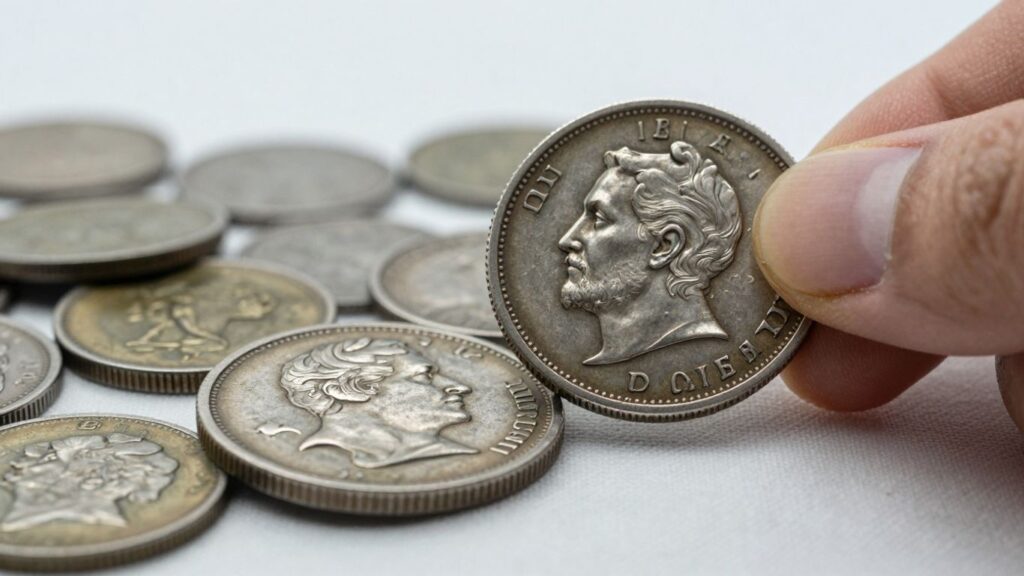
So, you’ve got some old coins, and they’re looking a bit grubby. The first thought might be to give them a good scrub, right? But hold on a second. Cleaning coins is a really tricky business, and doing it wrong can actually trash their value. It’s not like washing your dishes; there’s a whole lot more to it, especially when you’re dealing with pieces of history. We’re going to break down what you really need to know about the truth about coin cleaning and conservation, so you don’t accidentally ruin your collection.
Key Takeaways
- Many common cleaning methods, especially those found in older guides, can permanently damage coins and destroy their value by removing natural patina.
- Patina, the natural surface layer formed over time, is often a sign of authenticity and age, and its preservation is key to a coin’s historical integrity and market worth.
- For valuable or historical coins, professional conservation by experts is highly recommended over DIY cleaning to avoid irreversible damage.
- Proper storage in archival-quality materials and a stable environment is crucial for preventing coin deterioration, often being a better alternative to cleaning.
- When in doubt about cleaning a coin, the safest and most financially sound decision is to leave it untouched, as ‘uncleaning’ a damaged coin is impossible.
The Truth About Coin Cleaning and Conservation: A Delicate Balance
So, you’ve got a coin, maybe it’s old, maybe it’s just a bit grimy. The first thought might be to grab some polish and make it shine. But hold on a second. Cleaning coins is a really tricky business, and doing it wrong can seriously mess up its value. It’s like trying to fix a vintage watch – you might think you’re helping, but you could end up causing more harm than good.
Understanding When to Clean and When to Leave Coins Untouched
This is the big question, isn’t it? When do you actually need to clean a coin, and when should you just leave it be? For modern coins, like that quarter you found in your pocket, a little bit of cleaning might be okay if it’s just dirty. But for older, historical coins, it’s a whole different story. The general rule of thumb is: if you’re unsure, don’t clean it. Trying to remove dirt can sometimes remove the coin’s history along with it. It’s a careful balance between making it look better and preserving its story. Sometimes, what looks like dirt is actually part of the coin’s journey through time.
Identifying Harmful Dirt Versus Valuable Patina
This is where it gets interesting. Not all surface stuff on a coin is bad. You’ve got harmful dirt, which is usually loose, like mud or grime that’s just sitting on top. Then you have patina. Patina is a chemical change on the metal’s surface that happens over years, sometimes centuries. It’s often a smooth, even layer that gives older coins their unique look and can actually increase their worth. Think of it like the aged varnish on a painting; it’s part of the artwork. Removing patina is like stripping that varnish – you lose something important. Learning to tell the difference is key to not ruining a potentially valuable piece. For example, a UK coin with a nice, even brown patina is often more sought after than a bright, shiny one that’s been scrubbed.
Preserving Patina: Why Less Is Often More
Because patina is so important, the idea of "less is more" really applies here. Patina is a sign of age and authenticity. It’s what makes a coin look like it’s lived a life. When you clean a coin aggressively, you’re essentially erasing that history. You might end up with a coin that looks superficially cleaner, but it loses its character and, more importantly, its collector value. Many collectors and experts agree that preserving that natural patina is far better than trying to make a coin look brand new. It’s about respecting the coin’s past. If you’re dealing with a coin that has active corrosion or looks unstable, it’s best to seek out professional help rather than trying to fix it yourself. Discover More Insights About Coin Preservation.
Trying to clean a coin yourself can be a gamble. You might get lucky, but you could also end up with a coin that’s worth much less than it was before you started. It’s a risk that often isn’t worth taking, especially with older or rarer pieces.
Here’s a quick look at what to consider:
- Modern Coins: Generally more forgiving. Basic dirt can often be removed with gentle washing.
- Historical Coins: Require extreme caution. Patina is usually desirable.
- Active Corrosion: A sign to stop immediately and consult a professional.
- Unknowns: When in doubt, always err on the side of caution and do nothing.
It’s a delicate dance, and understanding these basics is the first step to becoming a more informed collector.
Harmful Cleaning Methods That Destroy Coin Value
It’s tempting, isn’t it? You find an old coin, maybe a bit grimy, and your first thought is to make it shine. We’ve all been there, wanting to reveal the hidden beauty beneath the dirt. But here’s the hard truth: many common cleaning methods, often passed down through outdated advice or just plain guesswork, can actually wreck a coin’s worth. It’s a delicate balance, and leaning too far into cleaning can turn a potential treasure into something far less desirable.
Outdated Collector Guides and Their Damaging Recommendations
Some of the worst advice out there comes from old books or forums that haven’t kept up with modern numismatic understanding. These guides might suggest things like using ketchup to brighten up a copper coin or scrubbing with baking soda to remove tarnish. While these might offer a temporary visual change, they often do more harm than good. Think of it like trying to fix a delicate antique vase with a power sander – you might remove the dirt, but you’ll also remove the original finish and any character it had. These methods often strip away the coin’s natural patina, which is the layer of oxidation that forms over time and is highly prized by collectors. Losing that patina is like erasing a coin’s history. For instance, dipping a coin in certain solutions can cause it to develop an unnatural, almost greasy look that professionals can spot a mile away.
The Long-Term Damage of Aggressive Cleaning
When you get aggressive with cleaning, you’re not just removing dirt; you’re often removing metal. Things like steel wool, abrasive pads, or even vigorous rubbing with a cloth can create microscopic scratches. These aren’t always visible to the naked eye, but under magnification, they look like a roadmap of destruction. This damage is permanent. Even if the coin later develops some natural toning, those underlying scratches remain, significantly impacting its grade and value. Harsh chemicals are another big problem. Acids can etch the surface, leaving pits and uneven coloration that can’t be fixed. Bleach can cause irreversible discoloration. It’s a bit like trying to polish a fingerprint off a mirror with sandpaper – you end up damaging the surface itself.
Here’s a quick rundown of what to steer clear of:
- Abrasive materials: Steel wool, sandpaper, scouring pads, even some toothpastes.
- Harsh chemicals: Bleach, strong acids (like muriatic acid), ammonia-based cleaners, and unknown dips.
- Aggressive tools: Wire brushes, metal scrapers, polishing wheels.
- Excessive force: Rubbing too hard, using circular motions that create wear patterns.
The core issue with most cleaning methods is that they alter the coin’s original surface. Whether it’s through abrasion that removes metal or chemicals that change the surface chemistry, the result is a coin that no longer looks or feels as it did when it was originally struck. This loss of originality is what collectors and grading services penalize heavily.
Spotting a Cleaning Disaster: Buyer Beware
Learning to identify a cleaned coin is a skill that can save you a lot of money. When you’re looking at a coin, especially if you’re considering buying it, keep an eye out for certain red flags. Does the coin look unnaturally bright or shiny compared to others of its type? Is the surface a bit too uniform, lacking the subtle variations that come with age? Sometimes, cleaned coins have a sort of greasy or waxy appearance, especially in the protected areas. You might also see faint hairlines or scratches if you examine the coin closely, perhaps with a magnifying glass. A coin that has been aggressively cleaned, even if it’s a rare date, will fetch a much lower price than an uncleaned example. It’s always better to buy a coin with its original surfaces, even if they aren’t perfect, than to buy a cleaned coin that has lost its numismatic appeal. Remember, cleaning or polishing coins can significantly decrease their value.
| Cleaning Method | Potential Damage | Why It’s Harmful |
|---|---|---|
| Abrasive Cleaners | Scratches, loss of detail, removed patina | Removes surface material, including natural aging |
| Harsh Chemicals (Dips) | Etching, discoloration, altered surface texture | Alters metal composition, damages surface permanently |
| Metal Polishes | Artificial shine, complete patina removal | Destroys natural aging, diminishes collector appeal |
Museum-Grade Methods for Valuable Historical Pieces
When you’re dealing with coins that have serious history behind them, the kind that might end up in a museum, you can’t just grab them and scrub them. It’s a whole different ballgame. These aren’t your pocket change finds; these are pieces that tell stories from centuries ago. Trying to clean them yourself, especially if they’re showing signs of active corrosion or have surfaces that look a bit unstable, is a recipe for disaster. You could easily cause permanent damage that no amount of regret can fix.
Expert Intervention for Active Corrosion and Unstable Surfaces
If a coin looks like it’s actively deteriorating, maybe with powdery green or white spots (especially on copper or bronze coins), or if the surface seems flaky, it’s time to step away. This is where professional conservators come in. They have the training and the tools to assess the situation without making it worse. They can identify what’s causing the problem and figure out the best way to stabilize the coin. This careful approach is key to preventing further decay. It’s not about making the coin look shiny and new; it’s about stopping it from falling apart.
The Meticulous World of Professional Coin Conservation
Think of museum conservators as historical detectives. They use specialized equipment, often working under microscopes, to gently remove harmful deposits. They might use tiny tools, like bamboo or plastic picks, or even controlled chemical treatments. The goal is always minimal intervention. They document everything they do, so future generations know exactly how a piece was treated. It’s a slow, precise process that respects the coin’s journey through time. For silver coins, for example, conservators might use carefully managed chemical solutions to remove tarnish while making sure to keep the original patina intact. This is a far cry from just dunking a coin in a cleaning solution.
Ethical Considerations in Numismatic Preservation
At its heart, museum conservation is about preserving history, not just cleaning objects. Conservators follow strict ethical rules. They prioritize doing as little as possible to the coin, only intervening when necessary to prevent loss. Every step is recorded. This careful method keeps the coin’s historical context intact. It’s about respecting the stories these coins hold and making sure they can be studied and appreciated for a long time. By treating your own historical coins with this level of care, you’re contributing to the ongoing story of numismatics. If you’re curious about how professionals handle delicate silver items, you can look into conservation and restoration of silver objects.
Here’s a quick look at what professionals might consider:
- Assessment: Thoroughly examining the coin’s metal composition and condition.
- Stabilization: Addressing any active corrosion or structural issues.
- Cleaning: Employing the gentlest methods possible to remove harmful contaminants.
- Documentation: Recording all treatments performed.
When you’re dealing with historical coins, the primary objective is preservation. The aim is to halt deterioration and stabilize the object, not necessarily to make it aesthetically perfect according to modern standards. The patina, often seen as dirt by the untrained eye, can be a vital part of the coin’s historical record.
Understanding the Nuances of Historical Metals
Different metals react to the world around them in really distinct ways. It’s not just about how shiny they look; it’s about how they age and what that aging means for their history and value. Think of it like people – we all get older, but we all show it differently, right? Coins are kind of the same.
How Different Metals React to Environmental Factors
Metals like silver, copper, and bronze, common in older coins, have their own personalities when it comes to environmental exposure. Silver, for instance, tends to develop a dark tarnish, which is a chemical reaction with sulfur compounds in the air. Copper and bronze often form a green or brown crust called patina. This patina isn’t just dirt; it’s a protective layer that forms over time. The key is distinguishing between harmful corrosion and this valuable, stable patina.
Specific Approaches for Silver, Copper, and Bronze Coins
- Silver coins: These can tarnish quite easily. While some collectors like a bit of toning, heavy tarnish can obscure details. Gentle cleaning might be considered, but it’s a risky business. You have to be super careful not to remove any of the original surface.
- Copper and Bronze coins: These are probably the most prone to developing active corrosion, which looks like rough, powdery spots. If you see that, it’s a sign the coin is unstable. Sometimes, this needs professional help to stop it from eating away at the metal. Otherwise, a stable patina can actually be quite attractive and is often left alone.
- Gold coins: Gold is pretty stable and doesn’t usually corrode. You’re more likely to see surface marks or wear from handling than actual degradation.
Trying to ‘fix’ a coin’s natural aging process is usually a bad idea. What looks like damage to you might be a sign of the coin’s long history to someone else. It’s a tough balance to strike, for sure.
The Delicate Touch Required for Ancient and Medieval Pieces
When you get into really old coins, like ancient Roman bronzes or medieval silver pieces, the rules change. These coins have survived for centuries, and their surfaces have developed unique characteristics. Aggressive cleaning can strip away this history, leaving the coin looking artificial and significantly reducing its appeal and value. For these historical artifacts, minimal intervention is the name of the game. If you have a coin that looks like it needs serious work, it’s often best to consult with professionals who understand coin conservation and the specific needs of ancient metals. They have the tools and knowledge to assess the situation without causing further harm.
Professional Tools and Techniques: Separating Fact from Fiction
When it comes to coin collecting, there’s a lot of talk about cleaning. Some folks swear by certain gadgets and methods, while others warn against touching coins at all. It can get confusing, right? Let’s try to clear some of that up.
The Role of Expert Conservators in Preserving Numismatic Heritage
Think of expert conservators as the highly skilled surgeons of the coin world. They’re not just cleaning coins; they’re preserving history. These professionals have spent years, sometimes decades, learning about different metals, how they react to the environment, and the best ways to stabilize them without causing harm. They use specialized tools that you won’t find in your average household drawer. We’re talking about things like dental picks (used very, very gently, of course), specialized solvents, and microscopes to see what’s really going on with the coin’s surface. Their goal is always minimal intervention. They want to remove harmful stuff, like active corrosion that could eat away at the metal, but leave the natural surface, or patina, intact. It’s a delicate dance, and they’re the ones who know the steps. For truly valuable or historically significant pieces, this is where you want to be. They understand the nuances of preserving our numismatic heritage.
Distinguishing Between Damaging Grime and Valuable Patina
This is where a lot of the confusion happens. What looks like dirt to one person might be a protective layer, or patina, to another. Patina is a surface layer that forms over time due to the metal’s interaction with its environment. On copper and bronze coins, a nice, even, dark brown or green patina can actually add to the coin’s appeal and value. It shows the coin is original and has a history. Grime, on the other hand, is usually loose dirt, gunk, or active corrosion that is actively damaging the coin. It often looks patchy, uneven, or like it’s flaking off.
Here’s a quick way to think about it:
- Harmful Grime: Feels rough, looks like mud or active rust, might be flaking off, can obscure details.
- Valuable Patina: Smooth to the touch, even color (brown, black, dark green), enhances the coin’s appearance, protects the metal.
Trying to remove a good patina is like trying to remove the character from an old building. It just doesn’t make sense. You can find some basic cleaning advice on handling coins, but when in doubt, leave it alone.
The Importance of Minimal Intervention in Conservation
This is the golden rule in coin conservation: do as little as possible. The less you do to a coin, the more likely you are to preserve its original state and, therefore, its value. Aggressive cleaning methods, like scrubbing with a brush or using harsh chemicals, can permanently damage the coin’s surface. They can remove metal, create scratches, or alter the natural toning. Even methods that seem gentle, if overdone, can cause problems.
The philosophy of minimal intervention means that conservators only address active problems. They don’t try to make a coin look brand new. Instead, they focus on stabilizing the coin and removing anything that poses a threat to its long-term survival. It’s about preservation, not cosmetic surgery.
Think about it this way: if a coin has survived for hundreds of years with its current surface, it’s probably doing okay. Messing with it could be the worst thing you do. Professional graders can spot cleaning from a mile away, and it significantly impacts a coin’s grade and value. So, when you’re looking at your collection, always ask yourself if cleaning is truly necessary or if it’s just a desire to make it look different. Often, the untouched coin is the one that holds its value best.
Ultrasonic Cleaning Technology: A Double-Edged Sword
So, you’ve got this old coin, maybe found it in a jar or got it from a relative, and it’s looking a bit grimy. The first thought might be, ‘Let’s get this thing sparkling!’ And then you hear about ultrasonic cleaners – those gadgets that use sound waves to blast dirt off jewelry and glasses. Sounds pretty neat for coins, right? Well, hold on a second. While these machines can be super effective for some things, they’re a bit of a wild card when it comes to our numismatic treasures.
The Science Behind Ultrasonic Cleaning and Cavitation
Basically, an ultrasonic cleaner works by sending high-frequency sound waves through a liquid. Think of it like creating tiny, microscopic bubbles in the water. When these bubbles pop, they release a burst of energy. This energy is what dislodges dirt, grease, and other gunk from whatever’s sitting in the bath. It’s pretty clever because it can get into all those nooks and crannies that a brush or cloth just can’t reach. This is why it’s used for things like intricate jewelry or engine parts.
Risks and Rare Cases for Using Ultrasonic Cleaners on Old Coins
Here’s where things get tricky. Coins aren’t just metal; they’re history. What looks like dirt or tarnish to you might actually be a protective layer called patina. This natural oxidation is part of the coin’s story and can actually add to its value. When you blast it with ultrasonic waves, you can strip away not just the grime but also this valuable patina, leaving the coin looking unnaturally bright and, frankly, damaged to a collector’s eye. It can also cause micro-pitting, dull raised details, or even round off the edges of the coin over time. It’s a bit like taking a sander to a delicate old painting – you might get rid of the dust, but you’ll ruin the original finish.
The temptation to make an old coin look new is strong, but often, the ‘new’ look is a sign of damage, not restoration. Collectors and experts generally agree that preserving a coin’s original state, including its patina and any signs of age, is far more important than achieving a shiny appearance.
When Ultrasonic Cleaning is Appropriate: Pocket Change vs. Collectibles
So, is there any time you should use an ultrasonic cleaner on a coin? Maybe. If you’re talking about modern pocket change that you’re just cleaning up for a craft project, or maybe some old tokens you’re turning into jewelry, then sure, go for it. These coins usually don’t have significant collector value tied to their original state. But if you’re holding anything that looks remotely old, rare, or has a nice, even tone (especially silver coins), it’s almost always best to leave it alone. The risk of irreversible damage and value loss is just too high. For valuable coins, professional conservation is the only way to go, and that’s a whole different ballgame.
Protecting Your Collection: Storage Solutions That Work
So, you’ve got these coins, right? And you want them to stick around, looking good, for ages. Well, the biggest thing you can do is think about where you’re keeping them. It’s not just about shoving them in a drawer. The environment your coins live in actually makes a huge difference in how they age.
The Impact of Your Environment on Coin Deterioration
Think about it. If your collection is in a damp basement, that moisture is going to do a number on the metal over time. Same goes for a super hot attic. Fluctuations in temperature and humidity are like a slow-motion disaster for coins. Even the plastic some people use for coin flips can be bad news; some plastics release chemicals that can mess with the coin’s surface. It’s a whole little ecosystem for your coins, and you want it to be a healthy one.
The best way to keep your coins looking their best is often to prevent them from needing a clean in the first place. This means setting up a storage situation that actively works against deterioration. It’s all about preservation from day one.
Choosing the Right Archival-Quality Materials for Storage
This is where you want to be picky. Using the right stuff for storage is like building a good foundation for a house. You need materials that won’t cause problems down the line. That means looking for things labeled "archival-quality." This usually means they’re acid-free and won’t react with the metal of your coins. Forget about regular cardboard or those old-school plastic flips that might be made of PVC – those are big no-nos. Instead, think about Mylar flips or special inert plastic capsules for individual coins. For albums, make sure the pages and sleeves are also made from safe materials.
Here are some common storage options and what to look for:
- Coin Capsules: These are great for individual coins, especially the more valuable ones. They offer a good layer of protection. Just make sure they’re made from inert plastic.
- Coin Albums: A popular choice for organizing. Just double-check that the pages and sleeves are acid-free and won’t damage the coins.
- Coin Cabinets: These are the top-tier option. They offer the best protection, often helping to control humidity and temperature, and they keep your collection secure. They can be a bit of an investment, though.
- DIY Solutions: If you’re on a tighter budget, you can repurpose things like drawers. Just be sure to line them with acid-free felt or velvet and maybe toss in some silica gel packets to soak up extra moisture.
From Basic to Bespoke: Effective Coin Storage Options
When it comes to actually storing your coins, you’ve got choices. For a beginner, a good set of coin albums can be a fantastic way to keep things organized and protected. You can find albums designed for specific series, like Morgan dollars by year, making it easy to see what you have. If you have some really special pieces, individual capsules are a smart move. For the serious collector, a dedicated coin cabinet might be the way to go. These are designed to create a stable environment, which is key for long-term preservation. Whatever you choose, the goal is to keep your coins safe from environmental damage and accidental harm.
Expert Advice from Numismatists and Conservators
The Consensus: When in Doubt, Do Not Clean
Look, most folks who really know coins, the ones who spend their lives studying them or preserving them in museums, they all say the same thing: if you’re not absolutely sure what you’re doing, just leave it alone. Seriously. It’s way easier to mess up a coin than to fix it. Trying to scrub off some dirt might seem like a good idea, but you could be wiping away history and value without even realizing it. The safest bet for any coin you’re not 100% confident about is to do nothing at all.
How Professional Graders Identify Cleaned Coins
Grading services have seen it all, and they have a sharp eye for coins that have been messed with. They look for a few key things:
- Surface Texture: Cleaned coins often have a different sheen or a ‘scratched’ look under magnification that doesn’t appear naturally. It’s like looking at a freshly polished table versus one that’s been used for years.
- Color and Tone: Natural toning develops over time and is usually even. Artificial cleaning can strip this away, leaving a flat, uniform color, or worse, create unnatural splotches.
- Edge Marks: Sometimes, cleaning tools can leave tiny marks or abrasions around the rim of the coin.
- Loss of Detail: Aggressive cleaning can wear down the high points of a coin’s design, making intricate details look fuzzy or indistinct.
The Financial Impact of Cleaning on Coin Value
This is where things get serious for collectors. A coin that might be worth a good chunk of change in its original state can drop dramatically in value if it’s been cleaned. We’re not talking about a small dip; sometimes, the value can be cut in half or even more. It really depends on the coin, how rare it is, and how badly it was cleaned.
Here’s a rough idea of how cleaning can affect value:
| Coin Condition | Estimated Value (Hypothetical) |
|---|---|
| Uncleaned, Original Surfaces | $1,000 |
| Lightly Cleaned | $600 |
| Aggressively Cleaned | $200 |
| Heavily Damaged (e.g., pitted) | $50 |
It’s a tough pill to swallow when you realize a cleaning attempt has cost you a fortune. That’s why understanding preservation is so important. It’s not just about keeping coins pretty; it’s about protecting your investment.
When you’re looking at a coin, especially an older one, think of it like a historical document. You wouldn’t go scribbling notes all over a rare old letter, right? The same principle applies here. The marks, the toning, even the dirt – they’re all part of the coin’s story. Messing with that story can erase its significance and, unfortunately, its worth.
Better Alternatives to Cleaning Your Coins
Look, cleaning coins is a tricky business. Most of the time, if you’re thinking about scrubbing that old penny or silver dollar, you should probably just stop. Seriously. The truth is, most coins are better off left alone. Trying to make them look ‘new’ often just ruins them, stripping away the history and, yeah, the value. But what if a coin is just really grimy? Or you’ve got a modern coin that’s lost its shine? There are ways to handle it without turning your treasure into junk.
The Smart Buy-Sell Strategy for Toned Coins
Instead of trying to ‘fix’ a coin’s appearance, smart collectors learn to appreciate what’s called toning. This is the natural discoloration that happens over time as a coin reacts with its environment. Some people see it as tarnish, but for many collectors, especially those into silver coins, attractive toning can actually increase a coin’s desirability and price. Think of it as a coin’s unique fingerprint, showing its journey through time. If you’re buying, look for coins with pleasing, even toning. If you’re selling, don’t try to remove that beautiful rainbow effect – it’s probably worth more as is. Trying to clean off toning is like trying to erase a coin’s history; it rarely ends well.
Developing an Eye for Appreciating Natural Toning
So, how do you tell good toning from bad? It takes practice, but generally, you’re looking for colors that are pleasing and evenly distributed. Think subtle blues, greens, purples, or golds. Sometimes you’ll see a coin that’s mostly one color, like a deep brown or a silvery gray. That’s usually fine too. What you want to avoid is spotting, which looks like little dark or light patches, or anything that looks like active corrosion. These aren’t just colors; they’re signs of how the coin has been stored and what it’s been exposed to. A coin with vibrant, attractive toning can be worth significantly more than a cleaned, ‘brilliant’ one. It’s a bit like appreciating the patina on an old bronze statue – it adds character.
Maintaining Investment Quality Through Preservation
When it comes to keeping your coins valuable, the best approach is almost always preservation, not cleaning. This means storing them properly. Forget those old cardboard flips or PVC-containing holders; they can actually damage your coins over time. Instead, opt for archival-quality materials. This includes inert plastic holders (like Mylar or acrylic), acid-free paper envelopes, or specialized coin albums. Keeping coins in a stable environment, away from extreme humidity or temperature changes, is also key. Think of it as creating a safe, climate-controlled home for your collection. A coin that has been kept in good condition, with its original surfaces intact, will always hold more appeal and value for future buyers and graders than one that’s been messed with.
Here’s a quick rundown of what to aim for:
- Use inert holders: Materials like Mylar or acrylic won’t react with the coin’s metal.
- Control the environment: Keep coins in a place with stable temperature and humidity.
- Handle with care: Always use cotton gloves or hold coins by their edges to avoid fingerprints.
- Avoid harsh chemicals: Never use household cleaners, polishes, or abrasive materials.
The biggest mistake a collector can make is thinking they know better than the coin’s own history. What looks like dirt to one person might be a protective layer or a sign of authenticity to another. When in doubt, always err on the side of caution and leave it be. The coin’s surface tells a story, and cleaning it is like ripping out a page.
Case Studies: Transformations in British Numismatics
Restoring Rare Coins with Professional Conservation
Sometimes, you find a coin that’s just buried under layers of grime. Think of a really old silver shilling, maybe dug up from a garden, looking more like a dull pebble than a piece of history. Trying to clean something like that at home is a recipe for disaster. You risk scratching the surface, removing details, or even causing more damage. That’s where professional conservators come in. They have the tools and the know-how to carefully remove harmful dirt without touching the coin’s natural surface. For instance, a heavily encrusted Roman coin found in the UK might undergo a lengthy process involving specialized solutions and gentle mechanical cleaning. The goal isn’t to make it look brand new, but to reveal the original details and stabilize the metal. The transformation can be astonishing, bringing a piece of history back to life.
Protecting Historical Integrity and Collector Value
It’s not just about making a coin look pretty; it’s about preserving its story. Take, for example, the distinctive dark brown patina often seen on pre-decimal British bronze coins like pennies and halfpennies. This isn’t dirt; it’s a natural oxidation layer that forms over time and is actually desirable to collectors. Aggressive cleaning can strip this away, leaving the coin looking unnatural and significantly reducing its value. Conservators understand this. They can differentiate between damaging corrosion and valuable surface toning or patina. Their work ensures that the coin’s historical context and aesthetic appeal are maintained, which is key for its long-term worth.
The Long-Term Value of Untouched Numismatic Treasures
Many collectors learn the hard way that leaving a coin alone is often the best policy. Consider a Victorian ‘bun head’ penny. If it’s in good condition with its original reddish-brown color, cleaning it, even gently, can ruin its appeal. The same goes for many modern uncirculated commemoratives; any attempt to polish them can leave microscopic scratches visible only under magnification. The market increasingly recognizes the value of coins that have been left undisturbed.
Here’s a quick look at what conservators often consider:
- Identification of Surface Issues: Is it dirt, active corrosion, or natural patina?
- Metal Composition: Silver, copper, bronze, or alloys require different treatments.
- Historical Significance: The coin’s age and rarity influence the level of intervention.
- Collector Appeal: Preserving desirable toning or patina is often prioritized.
The temptation to ‘improve’ a coin’s appearance can be strong, but it’s usually a mistake. The most valuable coins are often those that have survived centuries with minimal interference, retaining their original surfaces and character. Understanding this is a big step for any collector.
So, What's the Takeaway?
Alright, so we’ve gone over a lot of ground about cleaning coins. It’s clear that messing with old coins can be a real gamble. What looks like dirt might actually be history, and trying to scrub it away can seriously hurt a coin’s worth. For most collectors, especially with older pieces, the safest bet is often to just leave them be or, if you’re really worried about damage, find a pro who knows their stuff. Think of it like this: you wouldn’t repaint a priceless antique painting, right? Same idea here. Handle your coins with care, store them properly, and if you’re ever in doubt, it’s always better to err on the side of caution. Your collection will thank you for it in the long run.
Frequently Asked Questions
Should I clean my old coins?
It’s usually best not to clean old coins. What looks like dirt is often a special layer called patina, which adds to the coin’s history and value. Cleaning can accidentally remove this patina and damage the coin, making it worth less. If you’re unsure, it’s always safer to leave it alone or ask an expert.
What is patina and why is it important?
Patina is a natural coating that forms on a coin’s surface over a long time due to its environment. Think of it like the color that develops on old bronze statues. This layer shows the coin’s age and can actually protect the metal underneath. For collectors, patina is a sign of authenticity and often makes a coin more valuable.
What are some common ways people damage coins when cleaning them?
Many cleaning methods can hurt a coin’s value. Using harsh chemicals, scrubbing with abrasive materials like steel wool, or even using certain polishes can scratch the surface and remove the natural patina. Some older advice suggests using things like ketchup or vinegar, but these can cause long-term damage to the metal.
How can I tell if a coin has been cleaned before?
Cleaned coins often look unnaturally shiny or bright, lacking the smooth, even color of natural patina. You might see tiny scratches all over the surface, especially under magnification. Sometimes, the details on the coin might look ‘soft’ or worn down in a way that doesn’t seem natural.
What's the best way to store my coins to keep them safe?
The best way to store coins is to keep them in a stable, dry place. Use special holders made from materials that won’t harm the metal, like Mylar or inert plastic. Avoid storing them in direct sunlight or places with big temperature changes. Never use regular plastic bags or rubber bands, as they can damage the coins over time.
Are ultrasonic cleaners safe for old coins?
Ultrasonic cleaners can be risky for valuable old coins. While they can remove dirt effectively, they can also damage the delicate surface and patina. They are generally considered safer for modern, everyday coins that you might want to clean up for circulation, but for collectible or historical coins, it’s usually best to avoid them.
When should I consider professional coin cleaning or conservation?
You should seek professional help if a coin has signs of active corrosion (like powdery green or red spots), deep pitting, or unstable surfaces. Experts have special tools and knowledge to handle these delicate situations without causing more harm. They focus on preserving the coin’s historical value.
What are better alternatives to cleaning my coins?
Instead of cleaning, consider appreciating the natural toning (colors) that develop on coins, as many collectors find this attractive. If you really want a coin with a different look, a smart strategy is to sell your current coin and buy one that already has the appearance you prefer. This avoids any risk of damaging your valuable coins.