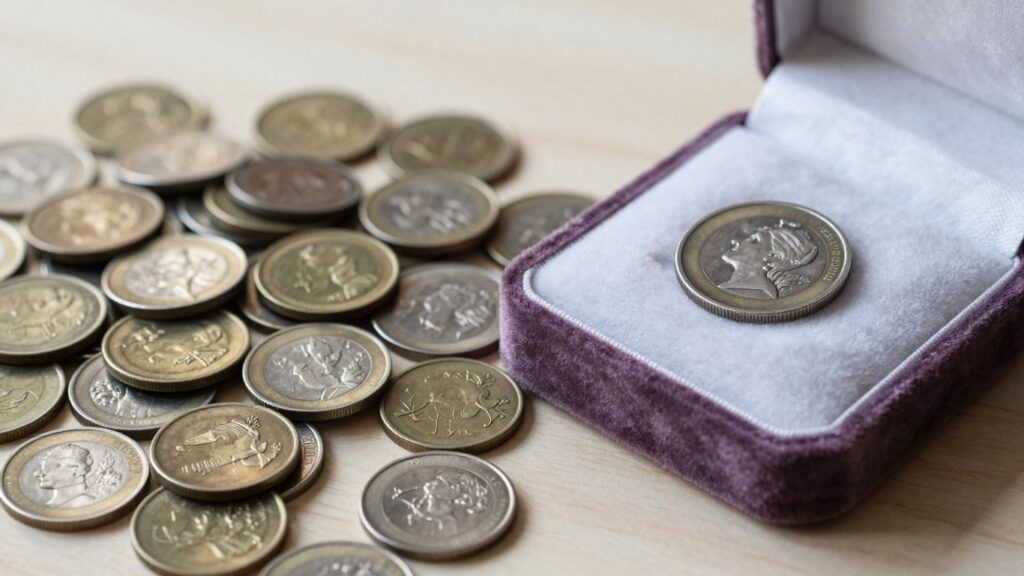
Selling a coin collection can feel a bit like a puzzle. You’ve got these pieces of history, and now you need to figure out the best way to move them on. The big question that always pops up is: Should you sell your coins individually or as a collection? It’s not a simple yes or no answer, really. It depends on what you’re trying to achieve, what kind of coins you have, and frankly, how much effort you want to put in. Let’s break down how to figure out the best path for your specific situation.
Key Takeaways
- Knowing your coins’ details, like dates and mint marks, and their condition is the first step to figuring out their worth.
- Researching current market prices and getting professional grading or appraisals can help you get a fair price.
- Selling to dealers, using auction houses, or listing on online sites are common ways to sell, each with pros and cons.
- Selling coins one by one offers flexibility and the chance to target specific buyers, while selling as a group can be more efficient.
- Consider your budget, goals, and how much time you have when deciding whether to sell coins individually or as a whole collection.
Understanding Your Coin Collection's Value
Before you even think about selling, you really need to get a handle on what you’ve actually got. It’s not just about the face value printed on the coin; there’s a whole lot more that goes into determining what someone might actually pay for it. Think of it like this: you wouldn’t try to sell a vintage car without knowing its make, model, and condition, right? Same idea here.
Identifying Key Coin Characteristics
First things first, let’s talk about the basics. You need to know the date the coin was made, where it was made (that’s the mint mark – usually a small letter like ‘D’ for Denver or ‘S’ for San Francisco), and what denomination it is (like a penny, nickel, or dollar). These details are the absolute foundation. Sometimes, a specific date or a rare mint mark can make a coin way more interesting to collectors than a common one. It’s like finding a rare edition of a book; it’s not just the story, it’s the edition itself that adds to the appeal.
- Date: When was it produced?
- Mint Mark: Where was it struck?
- Denomination: What is its face value?
- Metal Content: What is it made of (gold, silver, copper, etc.)?
Assessing Coin Condition and Grading
This is a big one, and honestly, it can be tricky. The condition, or ‘grade,’ of a coin has a massive impact on its worth. A coin that looks like it just came from the mint will be worth a lot more than one that’s been tossed around in pockets for decades. Collectors are usually looking for coins that are in the best possible shape. We’re talking about things like:
- Wear: How much of the original detail is still visible?
- Surface Issues: Are there scratches, nicks, or other marks?
- Color and Luster: Does it still have its original shine?
Trying to grade coins yourself can be tough. It’s easy to be too generous or too harsh. If you’re unsure, it’s often best to get a professional opinion, especially for coins you think might be particularly valuable.
The Role of Provenance and Documentation
This is about the coin’s history and any paperwork that comes with it. Did it come in an original holder from the mint? Do you have a certificate of authenticity? Maybe it was part of a famous collection? All of this is called ‘provenance.’ Good documentation can really add to a coin’s story and, consequently, its desirability and value. It’s like having the original receipt and owner’s manual for a valuable antique; it proves its authenticity and history, which collectors love.
Determining Your Coin Collection's Worth
So, you’ve got a pile of coins and you’re wondering what they’re actually worth. It’s not as simple as looking at the face value, that’s for sure. Several things play a role, and understanding them is key to getting a fair price.
Researching Current Market Trends
Before you do anything else, you need to get a feel for what similar coins are selling for right now. This means hitting the internet and checking out auction results, online marketplaces, and what dealers are listing. You’re looking for coins that match yours in terms of date, mint mark, and condition. Prices can change pretty quickly, especially for coins made of precious metals like gold or silver. It’s a good idea to check a few different sources to get a balanced view. You might find that a coin you thought was common is actually in demand, or vice versa. Keeping an eye on these trends is how you avoid selling yourself short.
The Importance of Professional Grading
This is a big one, especially for your more valuable pieces. Coin grading is basically a way to describe how worn a coin is. The better the condition, the higher the grade, and generally, the more money it’s worth. You’ll hear terms like ‘Mint State’ for coins that look like they just came from the mint, all the way down to ‘Poor’ for coins that are barely recognizable. While you can learn the basics yourself, getting a coin professionally graded by a reputable service can add a lot of confidence for potential buyers. Services like PCGS or NGC have strict standards, and their certification means a buyer knows exactly what they’re getting. This can make a huge difference in the final sale price, as it removes a lot of the guesswork for the buyer. Understanding coin grading is crucial for collectors to determine a coin’s value, even though grading can be subjective. Professional grading services exist, but personal knowledge of grading standards is essential for any collector. Understanding coin grading
Seeking Expert Numismatic Appraisals
Sometimes, you just need to bring in the pros. A numismatic appraisal is when an expert, someone who really knows their coins, takes a look at your collection and gives you a professional opinion on its worth. They can spot rare varieties or historical significance that you might miss. Look for appraisers who are members of respected organizations, like the American Numismatic Association. They can provide a solid valuation, which is super helpful whether you’re selling to a dealer, at auction, or even just for insurance purposes. It’s an investment, sure, but it can save you a lot of headaches and potentially put more money in your pocket.
Figuring out what your coins are worth involves a mix of your own research and getting outside opinions. Don’t just guess; take the time to understand the market, the condition of your coins, and when to call in an expert. This groundwork is what separates a good sale from a great one.
Here’s a quick rundown of factors that influence value:
- Condition: How worn is the coin? Are there scratches, dents, or other damage?
- Rarity: How many of these coins were made? Are there any unusual varieties?
- Demand: Are collectors actively looking for this type of coin right now?
- Material: Is it made of gold, silver, or another precious metal?
- Historical Significance: Does the coin have a unique story or connection to an event?
Choosing the Right Selling Method
So, you’ve figured out what your coins are worth and you’re ready to sell. Great! But where do you actually sell them? This is a big question, and honestly, there’s no single ‘best’ answer for everyone. It really depends on your coins, your goals, and how much effort you want to put in. Let’s break down some of the main ways people move their collections.
Selling Directly to Coin Dealers
This is often the quickest route. Dealers are in the business of buying and selling coins, so they usually know what they’re looking at and can make an offer pretty fast. They’ve got the knowledge to assess your coins and often have a ready customer base. The main trade-off is that they need to make a profit, so they’ll likely offer you a bit less than what you might get selling directly to a collector. It’s like trading in a car – you get convenience, but not always top dollar.
- Pros: Fast, convenient, dealers know the market.
- Cons: Usually get less than full market value, might not be interested in lower-value items.
- Best for: Sellers who want a quick sale and don’t want to deal with individual buyers.
Leveraging Auction Houses for High-Value Items
If you’ve got some real gems in your collection – think rare coins, items with significant historical importance, or pieces in absolutely pristine condition – an auction house might be your best bet. These places specialize in connecting high-value items with serious collectors who are willing to pay top dollar. They have the marketing power and the audience to really drive up prices, especially through competitive bidding.
Be aware that auction houses take a cut, and the process can take time. They also often have minimum value requirements, so they might pass on collections that aren’t particularly valuable.
- Pros: Can achieve high prices for rare items, access to specialized collectors, professional handling.
- Cons: Fees and commissions, takes longer, may not accept lower-value coins.
- Best for: Collections with significant value, rare or unique pieces.
Utilizing Online Marketplaces for Wider Reach
Platforms like eBay have changed the game for selling almost anything, and coins are no exception. You can reach a massive global audience from your own home. You have a lot of control here – you can set your price, run auctions, or use a ‘buy it now’ option. Just make sure you take great photos and write detailed descriptions. People can’t hold the coin through the screen, so you need to give them all the info they need.
- Pros: Huge audience, control over pricing, relatively easy to list.
- Cons: Fees, high competition, need to handle shipping and customer service, potential for scams.
- Best for: A wide range of coins, sellers comfortable with online selling and shipping.
Exploring Alternative Selling Venues
So, you’ve got your coins all sorted and valued. Now, where do you actually sell them besides the usual suspects? There are a few other spots that might be just the ticket, depending on what you’re looking to get out of the sale.
Connecting at Coin Shows and Expos
Think of coin shows as a big, bustling party for coin lovers. You get to meet people face-to-face, which is pretty cool. Dealers and collectors are all there, looking for their next treasure. It’s a good chance to show off your coins and maybe even get a few offers right then and there. Plus, you can chat with folks who really know their stuff and pick up some tips.
- Direct interaction: Talk to buyers and dealers directly.
- On-the-spot offers: You might get offers right at the show.
- Networking: Meet other collectors and learn more about the hobby.
Coin shows can be a bit overwhelming at first, with all the tables and people. But if you’re patient and talk to the right people, you can find some serious buyers who appreciate what you have.
The Simplicity of Private Sales
Got a friend, family member, or acquaintance who’s also into coins? A private sale can be super straightforward. If you trust the person and you both agree on a price, it can be quick and easy. No middleman, no extra fees, just a simple transaction. It works best when there’s already a level of trust between you and the buyer.
- Trust is key: Best for people you know and trust.
- No fees: Avoids commissions and listing charges.
- Quick process: Can be faster than other methods.
Consignment Options for Hassle-Free Selling
If you want to get the most money for your coins but don’t want to do all the legwork yourself, consignment is an option. Some dealers or auction houses will sell your coins for you. They take a cut of the final price, of course, but they handle all the advertising, listing, and selling. It might take a bit longer, but it can be a good way to sell without the stress.
- Dealer handles the sale: They do the selling for you.
- Potential for higher prices: Experts might get more for your coins.
- Less effort: You don’t have to manage the sale process.
This method is great if you’re short on time or just prefer not to deal with the day-to-day aspects of selling.
Preparing Your Coins for a Successful Sale
Alright, so you’ve decided to sell your coins, and that’s great! But before you start listing them or calling up dealers, there are a few things you really need to do to make sure you get the best price and avoid any headaches. Think of it like getting ready for a big presentation – you wouldn’t just wing it, right? Same goes for your coins.
Organizing Your Collection Logically
First off, let’s get things tidy. Nobody wants to sift through a jumbled mess. You should group your coins in a way that makes sense. This could be by:
- Denomination: Pennies, nickels, dimes, quarters, etc.
- Date/Era: Grouping by year or historical period.
- Mint Mark: If you have coins from different mints (like Philadelphia, Denver, San Francisco).
- Type: Grouping similar coin designs together.
Having a clear system makes it way easier for potential buyers to see what you have and shows them you’ve actually taken care of your collection. It’s a small step, but it makes a big difference in how serious buyers perceive your items.
Ensuring Proper Coin Protection
This is super important. You don’t want your coins getting damaged after you’ve decided to sell them. That’s just asking for trouble and a lower price. Always use proper coin holders or protective sleeves. Avoid just tossing them into a bag or box. If you have older coins, especially, they can be delicate. Think about those little cardboard flips or plastic holders designed specifically for coins. If you’re dealing with a whole collection, a dedicated coin album or a sturdy storage case is a good idea. Just make sure whatever you use is archival quality – you don’t want materials that can scratch, tarnish, or otherwise harm the coins over time. It’s about preserving their condition right up until they change hands.
Verifying All Supporting Documentation
Got any paperwork related to your coins? Now’s the time to dig it out and make sure it’s all there and easy to find. This could include:
- Certificates of Authenticity: If a coin came with one.
- Grading Reports: From services like PCGS or NGC.
- Appraisal Documents: If you had them professionally valued.
- Receipts or Provenance: Any records showing where you got the coin or its history.
This stuff adds a lot of credibility. It tells buyers that you’re not just some random person selling coins; you’ve done your homework and have proof to back it up. It can really help justify your asking price and make buyers feel more confident about their purchase.
Preparing your coins properly isn’t just about making them look good; it’s about showing respect for the items themselves and for the potential buyers. A well-organized and protected collection, backed by solid documentation, signals professionalism and care. This attention to detail can directly translate into a smoother sale and a better outcome for you, the seller. It’s the difference between a quick, lowball offer and attracting serious collectors willing to pay what your coins are truly worth.
So, take a little time, get organized, protect your treasures, and gather your papers. It’s a small investment of effort that can pay off big time when it comes time to sell.
Navigating the Post-Sale Process
So, you’ve made the sale! That’s fantastic. But the job isn’t quite done yet. There are a few important steps to take after the deal is struck to make sure everything wraps up smoothly for both you and the buyer. It’s all about finishing strong and building trust for future transactions.
Monitoring Shipments and Tracking
Once your coins are packed up and on their way, keeping an eye on their journey is key. Most shipping services provide a tracking number. Use this number on the carrier’s website to see where your package is. This tracking information is your best friend for confirming delivery and handling any unexpected delays. If you’re shipping something valuable, you might want to look into services that offer real-time updates or alerts for significant events during transit. This way, you’re always in the loop.
Maintaining Buyer Communication
Don’t just send the package and forget about it. A quick message to the buyer after you’ve shipped, letting them know the tracking number and an estimated delivery date, goes a long way. It shows you’re attentive and professional. If there’s a hiccup, like a weather delay, letting the buyer know proactively can prevent a lot of worry. Good communication builds confidence and makes the buyer feel secure about their purchase. It’s a simple step that really makes a difference in the overall experience.
Confirming Delivery and Satisfaction
After the tracking shows the package has arrived, it’s a good idea to send a final message to the buyer. A simple "Hope you received your coins safely and are happy with them!" can do wonders. This confirms they got their order and opens the door for them to voice any concerns or express their satisfaction. If you’re selling on a platform, this follow-up can also prompt them to leave feedback, which is great for your reputation. It’s the final handshake that seals the deal on a positive note.
Handling the aftermath of a sale requires diligence. It’s not just about the money changing hands; it’s about the entire experience from start to finish. Proper follow-through demonstrates integrity and care, which are qualities that collectors highly value. This attention to detail can lead to repeat business and positive word-of-mouth referrals, ultimately benefiting your long-term selling goals.
Here’s a quick checklist to keep you on track:
- Ship Promptly: Get the package out the door as soon as possible after payment is confirmed.
- Provide Tracking: Always share the tracking number with the buyer.
- Communicate Updates: Inform the buyer about shipping and expected delivery.
- Follow Up: Check in after delivery to confirm satisfaction.
- Keep Records: Save all shipping receipts and tracking information, just in case.
If you’re shipping valuable items, consider using a service that offers specialized insurance for coins, like those provided by Cabrella. This adds an extra layer of protection for your valuable shipments.
| Aspect | Action |
|---|---|
| Pre-Shipment | Organize, protect, and document coins. |
| During Transit | Monitor tracking, communicate proactively. |
| Post-Delivery | Confirm receipt, check satisfaction, gather feedback. |
| Record Keeping | Save all shipping and transaction details. |
The Case for Selling Individual Coins
Sometimes, selling your coins one by one just makes more sense. It’s not always about the big picture of a complete set; often, the real value is in the details of each individual piece. This approach gives you a lot more control and can really pay off if you know what you’re doing.
Flexibility in Targeting Specific Buyers
When you break up a collection and sell coins individually, you can really zero in on who might want what. Think about it: a collector who’s only missing one specific coin to finish their series isn’t going to want to buy the whole lot, right? Selling individually lets you find that exact person. It’s like going to a specialty store instead of a giant department store – you get exactly what you need. This means you can often get a better price because you’re meeting a very specific demand.
Optimizing for Condition and Eye Appeal
Not all coins in a collection are created equal, even if they’re from the same year or series. Some might be in fantastic shape, with bright surfaces and perfect centering, while others might have a few nicks or less-than-ideal toning. Selling individually lets you highlight the coins that truly shine. You can focus on their best features – maybe it’s a rare mint mark, a particularly sharp strike, or just that ‘wow’ factor that makes a coin stand out. This selective approach allows you to present each coin at its absolute best, potentially fetching higher prices for your top-tier pieces.
Strategic Market Timing for Each Piece
Coin values can fluctuate, and sometimes, a specific coin might be experiencing a surge in popularity or value. If you sell your collection as a whole, you might miss out on these temporary peaks. By selling coins one by one, you can keep an eye on the market and decide the best time to sell each specific coin. Maybe a certain historical period is trending, or a particular denomination is suddenly in high demand. You can then list those coins when they’re likely to attract the most attention and the highest bids. It’s a bit more work, sure, but it can lead to better overall returns.
Here’s a quick look at how individual sales stack up:
- Targeted Marketing: You can advertise specific coins to niche collector groups.
- Higher Per-Coin Potential: Top-condition or rare individual coins can often command higher prices than their pro-rata share in a set.
- Budget Management: Allows you to sell coins as market conditions or your financial needs dictate, spreading out the income.
- Reduced Risk: If one coin doesn’t sell well, it doesn’t impact the sale of your other valuable pieces.
Selling coins individually requires more effort and market knowledge. You’ll need to research each coin’s value, condition, and the best place to sell it. It also means more individual transactions, which can add up in terms of time and potential fees. However, for those willing to put in the work, the ability to maximize the return on each specific coin can be very rewarding.
The Advantages of Selling as a Collection
Selling your coins all at once as a complete set can really simplify things. Instead of dealing with each individual coin, you’re handling one transaction. This is often a big plus if you’re looking to move your collection without a lot of fuss.
Efficiency in Handling Multiple Coins
When you have a lot of coins, trying to sell them one by one can take up a huge amount of time. Think about it: listing each coin, taking photos, writing descriptions, packing, and shipping. It adds up fast. Selling as a collection means you do all that work just once. This is especially helpful if you’ve inherited a collection or just want to clear out space quickly. It’s a way to get a lot done with less effort.
Appealing to Buyers Seeking Completeness
Some collectors aren’t just looking for a single rare coin; they want a complete set. Maybe they’re trying to finish a series, like all the state quarters or a specific run of Morgan dollars. A collection that’s already put together is very attractive to these buyers. They might be willing to pay a bit more because it saves them the time and effort of hunting down the missing pieces themselves. This can sometimes lead to a better overall price than if you broke up the set.
Potential for Volume Discounts and Premiums
While selling individually might get you top dollar for a single standout coin, selling a well-organized collection can sometimes command a premium. Buyers looking for completeness might offer a bit extra to secure the whole package. Also, if you’re selling to a dealer, they might offer a slightly better price for the entire lot because it’s a larger sale for them. It’s a trade-off: you might not get the absolute peak price for your single best coin, but the overall sale can be more profitable and certainly less work. It’s worth looking into how a dealer might price the entire silver coin collection versus individual pieces.
Selling a collection as a whole often appeals to a specific type of buyer who values completeness and convenience. While individual sales might yield higher prices for rare items, the collective sale offers a streamlined process and can attract buyers willing to pay for a ready-made set.
Investment Strategy Considerations
When you’re thinking about building your coin collection, especially with an eye toward its future value, how you acquire your pieces really matters. It’s not just about liking the look of a coin; it’s about how it fits into a bigger picture. This involves looking at how much money you need to start, how you can spread your risk, and what kind of growth you can expect over time.
Initial Capital Requirements
Buying coins can be done in a few different ways, and each has a different starting cost. If you’re looking to buy a complete set of, say, Morgan dollars, you’re going to need a good chunk of cash upfront. These sets are often priced as a whole, and putting one together means a significant initial investment. On the flip side, picking up individual coins lets you start small. You can buy one or two coins at a time, maybe a common date or a lower-grade piece, and build up from there. This makes it easier to get started if your budget is tight or if you want to test the waters before committing a lot of money.
| Acquisition Method | Typical Initial Investment | Flexibility |
|---|---|---|
| Complete Coin Sets | High | Low |
| Individual Coins | Low to Moderate | High |
Diversification and Liquidity Factors
Think about how your collection is spread out. Buying a complete set gives you instant variety within that specific series, which is a form of diversification. However, if you decide to sell, you might have to sell the whole set, which can sometimes be harder to find a buyer for quickly. Selling individual coins, though, means you can diversify more selectively. You can pick and choose different types of coins, different eras, or even different metals. Plus, if you need cash, selling one or two individual coins is usually much easier and faster than trying to move an entire set. This makes individual coins generally more liquid.
Appreciation Potential and Market Timing
Both sets and individual coins can go up in value, but in different ways. Complete sets often see steady growth, especially if they are in good condition and represent a popular series. Buyers looking for completeness might pay a premium for a set. Individual coins, however, offer more opportunities for strategic timing. You can buy a coin when the market is down or when a specific piece is undervalued. This ability to pick the right moment for each individual coin can lead to some really impressive gains if you know what you’re looking for. It requires more research and attention to market trends, but the payoff can be significant for those who are patient and informed.
Building a coin collection, whether through sets or individual pieces, is a marathon, not a sprint. Patience and a clear strategy are your best tools. Don’t get discouraged by short-term market fluctuations; focus on acquiring quality pieces that you understand and believe in for the long haul.
Cost Analysis and Value Optimization
When you’re looking to sell your coins, whether one by one or as a whole group, it’s easy to get caught up in the excitement of potential profits. But before you jump in, let’s talk about the money side of things. We need to look at what it actually costs to sell and how you can make sure you’re getting the most bang for your buck. It’s not just about the price a buyer offers; it’s about the whole picture.
Comparing Transaction Fees
Different selling methods come with different price tags. Selling directly to a dealer might mean lower fees, but you might also get a lower offer price. Auction houses take a cut, usually a percentage of the final sale price, and online marketplaces can have listing fees, final value fees, and payment processing fees. It adds up.
- Auction House Fees: Typically range from 10% to 25% of the hammer price, depending on the item’s value and the house’s commission structure.
- Online Marketplace Fees: Can include listing fees (e.g., $0.25-$0.50 per item), final value fees (e.g., 10-15% of the sale price), and payment processing fees (e.g., 3-4%).
- Dealer Offers: Often involve no direct fees to you, but the dealer’s profit margin is built into their offer price, which will be lower than retail.
Understanding these fee structures upfront is key. A slightly higher commission might be worth it if the venue attracts more buyers and achieves a significantly higher final price for your coins.
Storage and Insurance Costs
Don’t forget the costs involved in just keeping your collection safe before you sell it. If you have a large collection, especially one with valuable coins, you’ll need secure storage. This could mean a safe deposit box, a home safe, or even specialized numismatic storage solutions. And then there’s insurance. You need to protect your investment against theft, damage, or loss. These costs can be ongoing and might eat into your profits if you’re not careful.
- Home Safes: Initial purchase cost, plus potential home insurance rider.
- Safe Deposit Boxes: Monthly or annual rental fees.
- Specialized Storage: Can involve custom solutions and higher security measures, with associated costs.
- Insurance Premiums: Based on the appraised value of your collection, these are usually annual costs.
Maximizing Returns Through Strategic Choices
So, how do you actually make more money? It comes down to making smart decisions at every step. Think about when you sell – is the market hot for a particular type of coin right now? Consider the presentation. Coins that are properly graded, well-photographed, and come with good documentation often fetch higher prices. Sometimes, selling a few key pieces individually can bring in more cash than selling the whole lot at once, especially if the rest of the collection isn’t as strong. It’s about playing the long game and knowing when to hold ’em and when to fold ’em, so to speak.
- Timing the Market: Researching current trends to sell when demand is high for your specific coins.
- Presentation: Investing in professional grading for key pieces or ensuring high-quality photos and descriptions for online listings.
- Method Selection: Choosing between auctions, dealers, or private sales based on the specific coins and your financial goals.
- Bundling vs. Individual Sales: Evaluating whether selling as a set offers a premium or if individual sales of top-tier coins will yield more.
Wrapping It Up
So, selling your coins, whether one by one or as a whole group, really comes down to what works best for you. There’s no single right answer here. If you’ve got a bunch of common coins, selling them together might be the easiest way to get them gone. But if you’ve stumbled upon some real treasures, taking the time to sell them individually could mean a much bigger payday. Think about your goals, how much time you have, and what kind of coins you’re dealing with. Do your homework, figure out what they’re worth, and then pick the selling method that feels right. It might take a little effort, but getting it done the smart way means you’ll likely end up with more cash in your pocket.
Frequently Asked Questions
What makes a coin valuable?
A coin’s value depends on several things. The date it was made, if it’s rare, how many were made, and its condition all play a big part. Coins that look like they just came from the mint are usually worth much more than ones that are worn out from use.
Should I clean my coins before selling them?
No, it’s generally best not to clean your coins. Cleaning can actually lower their value because it might damage the surface or remove important details. It’s better to leave them as they are, or let a professional handle it if needed.
How do I know if my coin is rare?
Rarity is often linked to how many of a specific coin were made. Coins with low mintage numbers, special errors during production, or those from very old dates are often rarer. Doing research on your specific coins using coin catalogs or online resources can help you figure this out.
What's the difference between selling coins individually versus as a collection?
Selling coins one by one lets you target specific buyers for each coin, potentially getting more money for the best ones. Selling them as a whole collection can be faster and might appeal to buyers who want a complete set, sometimes leading to a better overall deal for the seller.
How can I find out the current market value of my coins?
You can check what similar coins have sold for recently on auction sites or through coin dealer listings. Looking at price guides and coin collecting websites can also give you a good idea of what collectors are willing to pay right now.
Is it worth getting my coins professionally graded?
For valuable or rare coins, professional grading by companies like PCGS or NGC is often a good idea. It provides an official opinion on the coin’s condition, which can increase buyer confidence and potentially lead to a higher selling price because the grade is guaranteed.
Where are the best places to sell my coin collection?
You have options like selling to local coin dealers, using auction houses for valuable items, or listing them on online marketplaces. Coin shows and private sales are also good ways to connect with potential buyers and get competitive offers.
What information should I have ready when I sell my coins?
It’s helpful to have details like the coin’s date, mint mark, denomination, and any known history or special features. If you have any grading certificates, appraisals, or original packaging, having those ready will also help make the sale smoother.