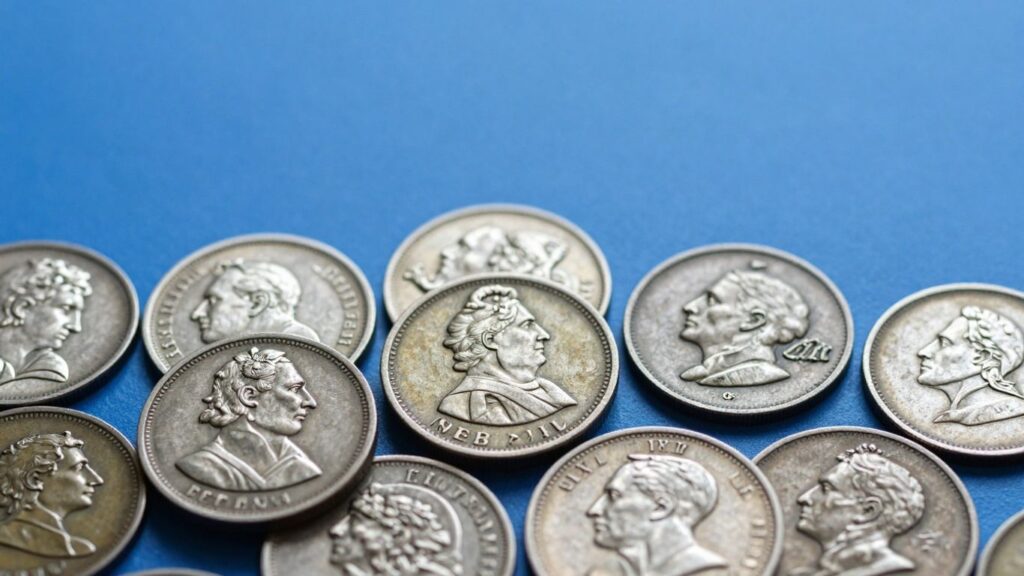
Hey everyone, so I’ve been looking into coins lately, specifically the Barber kind. You know, those old silver ones? Turns out, some of them are actually worth a pretty penny. It’s kind of wild how something that just sits in a jar can be so valuable. If you’ve got a pile of old coins lying around, or if you’re just curious about what makes a coin super valuable, this guide is for you. We’re going to talk about the most valuable Barber coins and how to spot them, so you don’t miss out on a hidden treasure.
Key Takeaways
- Barber coins, including dimes, quarters, and half dollars, can be quite valuable, especially rare dates and mint marks.
- The 1894-S Barber Dime is a legendary rarity, often considered one of the most valuable U.S. coins.
- Coin condition is a huge factor; well-preserved or uncirculated coins fetch much higher prices than worn ones.
- Identifying mint marks, understanding grading scales, and checking for varieties are key to assessing a Barber coin’s worth.
- Consulting price guides, reputable dealers, and auction results helps in accurately valuing and potentially selling your Barber coins.
Understanding The Most Valuable Barber Coins
The Allure of Barber Coinage
Barber coinage, which includes dimes, quarters, and half dollars designed by Charles E. Barber, circulated in the United States from 1892 to 1916. These coins are popular with collectors for a few reasons. For starters, they represent a distinct era in American history, a time of industrial growth and changing social landscapes. The designs themselves, featuring Lady Liberty on the obverse and various symbols on the reverse, are classic and well-executed. Many collectors find the Barber series particularly engaging because it offers a good mix of common dates and genuinely rare, high-value pieces, making it accessible yet challenging to complete. It’s this blend of history, design, and collectibility that draws people to Barber coins.
Key Factors Influencing Barber Coin Value
When you’re looking at Barber coins and trying to figure out what makes one worth more than another, a few things really stand out. It’s not just about the date on the coin, though that’s a big part of it. The mint mark, which tells you where the coin was made, plays a huge role too. Some mints produced far fewer coins than others, and those are usually the ones people are after.
Here are the main things that bump up a Barber coin’s price:
- Date and Mint Mark: Certain year and mint combinations are just plain rarer. Think of the 1894-S Barber Dime – only 24 were made, and only a handful are known to exist today. That kind of scarcity drives value through the roof.
- Condition (Grade): This is a massive factor. A coin that looks like it just came from the mint (uncirculated) will always be worth more than one that’s been passed around in pockets for years (circulated). Even small differences in wear can mean big jumps in price.
- Rarity and Mintage: How many were made in the first place? And how many still exist? Lower mintages and fewer surviving examples usually mean higher prices.
- Varieties and Errors: Sometimes, mistakes happen during the minting process. Overdates, doubled dies, or other mint errors can make a coin unique and much more desirable to collectors.
Figuring out the value of a Barber coin involves looking at a combination of these elements. A common date in perfect condition might be worth less than a rare date in average circulated condition. It’s a puzzle that collectors enjoy piecing together.
Identifying Genuine Barber Coins
Spotting a real Barber coin from a fake one is pretty important, especially if you’re thinking about buying or selling. Most Barber coins are made of silver, so they have a certain weight and feel. The designs are usually quite detailed, and genuine coins will have sharp lines and clear features. Fakes often look a bit soft or mushy in their details, or the metal might seem off.
Here’s a quick rundown on how to check:
- Examine the Details: Look closely at Lady Liberty’s hair, the laurel wreath, and the eagle on the reverse (for quarters and half dollars). Genuine coins have crisp, well-defined elements. Fakes often have blurry or simplified designs.
- Check the Mint Mark: Barber coins were made at Philadelphia (no mint mark), Denver (D), San Francisco (S), and New Orleans (O). Make sure the mint mark is present if it should be, and that it looks correct for the period. Sometimes fakes have misplaced or poorly formed mint marks.
- Weigh and Measure: Real Barber coins have specific weights and diameters. If a coin feels too light or too heavy, or if its size seems off, it could be a sign it’s not genuine. You can find these specifications easily online.
- Look for Wear Patterns: Genuine circulated coins will show wear consistent with their age and use. Unnatural wear, or wear that doesn’t match the coin’s supposed history, can be a red flag.
If you’re unsure, it’s always best to get a professional opinion from a trusted coin dealer or a grading service. They have the tools and experience to tell the real deal from a counterfeit.
The Pinnacle of Barber Dimes: Rarity and Value
When we talk about Barber dimes, a few dates and mint marks really stand out. These aren’t your everyday pocket change; these are the coins that make collectors’ hearts beat a little faster. The allure of these dimes comes from a mix of scarcity, historical context, and sometimes, just plain luck in how they were made.
The Legendary 1894-S Barber Dime
Let’s just get this one out of the way first. The 1894-S Barber dime is, without a doubt, the king of this series. Only 24 of these were ever struck, and it’s believed only nine are still around today. This coin is incredibly rare, and its value reflects that. You’re looking at prices well over a million dollars for even a less-than-perfect example. It’s the kind of coin that collectors dream about owning, a true trophy piece.
Other High-Value Barber Dime Dates
While the 1894-S is in a league of its own, there are other Barber dimes that are definitely worth paying attention to. These often come down to low mintages or specific mint marks that were produced in smaller quantities. Some dates to keep an eye on include:
- 1893-S: This one is tough to find, especially in good condition. Low mintage numbers mean fewer are available for collectors.
- 1895-O: Another date with a relatively small production run, particularly from the New Orleans mint. Finding uncirculated examples can be quite a challenge.
- 1901-S: This San Francisco mint issue is another key date that commands significant attention and price.
Here’s a quick look at how some of these can stack up:
| Date & Mint Mark | Estimated Value (Circulated) | Estimated Value (Uncirculated) |
|---|---|---|
| 1894-S | $1,000,000+ | $1,500,000+ |
| 1901-S | $200+ | $1,000+ |
| 1895-O | $100+ | $500+ |
Note: These are general estimates and can vary greatly based on condition and market demand.
Recognizing Key Barber Dime Varieties
Beyond just the date and mint mark, sometimes specific errors or overdates can make a Barber dime much more interesting and valuable. For instance, an overdate like the 1893 "3 over 2" can add a significant premium. These varieties show a mistake made during the minting process, like a die being used for a new year before the old date was fully removed. While not as famous as the 1894-S, these varieties are highly sought after by collectors who enjoy the nuances of coin production.
The pursuit of these rare dimes often involves a deep dive into numismatic history and a keen eye for detail. Understanding the production numbers, the minting process, and the survival rates of these coins is key to appreciating why certain Barber dimes are so highly prized by collectors today.
Exploring Valuable Barber Quarters
When you start looking into Barber quarters, things get pretty interesting. These coins, designed by Charles E. Barber, were made from 1892 all the way up to 1916. While not every Barber quarter is going to make you rich, some dates and mint marks are definitely tougher to find and can fetch a nice price, especially if they’re in good shape.
Key Dates and Mint Marks for Barber Quarters
Just like with other coin series, certain Barber quarters are rarer than others. The mint mark, usually found on the reverse side of the coin, tells you where it was made. Philadelphia coins don’t have a mint mark, but Denver (D) and San Francisco (S) coins do. Some of these are just plain hard to come by.
Here are a few to keep an eye on:
- 1896-S: This is a big one. Not many were made, and even fewer survived in good condition.
- 1901-S: Another tough date. Collectors really want these, making them quite sought after.
- 1913-S: While maybe not as famous as the others, this one is still a key date with a lower mintage.
- 1909-D: Denver mint coins from this era can be surprisingly scarce.
The 1896-S Barber Quarter is often considered one of the most challenging to find in higher grades.
Condition's Impact on Barber Quarter Prices
Okay, so you found a rare date. That’s great! But how it looks really matters. A coin that’s been worn down from a lot of use will be worth way less than one that looks almost brand new. We’re talking about the difference between a coin you might find in a bulk lot and one that could be a centerpiece in a collection.
Grading services use a scale from 1 to 70. A coin graded 60 or higher is considered uncirculated, meaning it never went into circulation. The higher the grade, the more it’s worth. Even small details, like whether the hair on Liberty’s head is fully detailed or worn smooth, can make a huge difference in price.
Notable Barber Quarter Sales
While Barber quarters don’t usually hit the multi-million dollar mark like some other coins, high-grade examples of key dates can still bring in serious money at auction. For instance, a really nice 1901-S Barber Quarter in top condition could easily sell for tens of thousands of dollars, sometimes even more. It really depends on the specific coin, its grade, and who’s bidding that day.
Remember, even if a coin isn’t a super rare date, if it’s in amazing condition, it can still be quite valuable. Collectors often pay a premium for coins that have that ‘wow’ factor – bright surfaces, sharp details, and no distracting marks.
So, when you’re looking through old coin collections or browsing at a coin show, keep an eye out for those Barber quarters. You might just stumble upon a real gem.
The Scarce Barber Half Dollars
When you start looking into Barber half dollars, you’ll find some dates and mint marks that really stand out. These aren’t your everyday pocket change; they’re the ones collectors often hunt for. While many Barber halves are relatively common, a few specific issues are genuinely scarce and command attention.
Identifying Rare Barber Half Dollar Mintages
Several factors contribute to a Barber half dollar’s rarity. The most obvious is the mintage number – how many were originally produced. Lower mintages often mean fewer coins survived over the years. The San Francisco (‘S’) and New Orleans (‘O’) mints sometimes produced significantly fewer coins than Philadelphia, making their issues more desirable.
Here are some dates and mint marks that are generally considered tougher finds:
- 1892-O: One of the lowest mintages for the series.
- 1896-S: A scarce date from the San Francisco mint.
- 1901-S: This is often cited as the key date for the Barber half dollar series, with a very low mintage and high demand.
- 1904-O: Another low-mintage issue from the New Orleans mint.
- 1913-S: A rare date from the San Francisco mint, especially in higher grades.
The 1901-S Barber half dollar is particularly noteworthy for its extreme rarity.
The Role of Condition in Half Dollar Value
Just like with any collectible coin, the condition of a Barber half dollar plays a massive role in its worth. A coin that looks like it’s been through the wringer will be worth far less than one that appears almost untouched. We’re talking about things like:
- Wear: How much of the original detail is still visible? Are the high points (like Liberty’s hair or the eagle’s feathers) worn smooth?
- Damage: Look out for nicks, scratches, bent rims, or cleaning marks. These can significantly reduce a coin’s value, even if it’s a rare date.
- Luster: Uncirculated coins often have a pleasing original shine or "mint luster." This is a big plus for collectors.
It’s not uncommon for a rare date in worn condition to be worth a few hundred dollars, while the same date in uncirculated condition could be worth thousands, or even tens of thousands.
When you’re assessing a Barber half dollar, pay close attention to the fine details. Even small imperfections can make a big difference in what a coin is worth. Sometimes, a coin might look okay at first glance, but a closer inspection reveals issues that collectors will notice immediately. It’s always good to be aware of potential coin errors, too, as some can add value, while others detract from it. You can find more information on identifying these issues in resources that systematically examine error categories found in half dollar coins throughout history [910f].
Where to Find Valuable Barber Half Dollars
Finding these scarcer Barber half dollars takes a bit of effort. You won’t typically stumble upon them in a roll of change. Your best bet is to look in a few key places:
- Coin Shows: These events bring together dealers and collectors from all over. You’ll find a wide variety of coins, and you can often negotiate prices.
- Reputable Coin Dealers: Established dealers often have higher-end inventory and can help you source specific, hard-to-find dates. They can also offer advice on authenticity and condition.
- Auctions: Major coin auctions, both online and in-person, are where many of the rarest and most valuable coins end up. This is often where you’ll see record-breaking sales, but it also means you might face stiff competition.
Be patient, do your homework, and you might just find that elusive Barber half dollar for your collection.
Barber Dollar Rarity and Significance
Understanding Barber Dollar Mintages
When you start looking into Barber dollars, you’ll notice that some dates and mint marks are just plain harder to find than others. It’s not just about how many were made originally, but also how many have survived the years. Think about it – coins get lost, melted down, or just worn out over time. So, a coin with a lower original mintage and a low survival rate is going to be a real prize.
Here’s a quick look at some mintages to give you an idea:
| Date | Mint Mark | Original Mintage | Estimated Survivors | Notes |
|---|---|---|---|---|
| 1893-S | S | 1,200,000 | Low | Key date, very scarce in high grades |
| 1894 | P | 148,000 | Low | Scarce, especially in Mint State |
| 1895 | P | 450,000 | Moderate | Key date for circulated grades |
| 1904 | P | 1,774,000 | High | Generally more available |
| 1914-D | D | 1,188,000 | Low | Scarce, sought-after date |
The Impact of Errors on Barber Dollar Value
Sometimes, coins come off the minting press with little mistakes. These are called errors, and for collectors, they can make a coin way more interesting – and valuable. We’re not talking about just a little scratch here. Think about things like double strikes, where the coin gets hit by the die twice, or off-center strikes where the design is way off. Sometimes you find planchets (the blank metal discs before they’re struck) that are the wrong metal, or even coins struck on foreign planchets. These kinds of mistakes are rare, and when they happen on a Barber dollar, they can really catch a collector’s eye and boost the price.
Historical Context of Barber Dollars
These coins, designed by Charles E. Barber, were minted from 1892 all the way through 1915. They replaced the Seated Liberty dollars and were themselves replaced by the Peace dollars. The Barber dollar era saw a lot of change in the United States, from industrial growth to the lead-up to World War I. Owning a Barber dollar isn’t just about the silver; it’s like holding a piece of that history. They circulated through a period of significant economic and social shifts, making them more than just currency – they’re tangible links to America’s past.
The Barber dollar series, though not as famous as some earlier or later U.S. coinage, holds a special place for collectors who appreciate its classic design and the historical period it represents. Finding well-preserved examples, especially from lower-mintage dates or with interesting error varieties, can be a rewarding pursuit for any numismatist.
Collecting Barber dollars can be a journey through American history. You’ve got the key dates that are tough finds, the errors that add a unique twist, and the simple fact that these coins were part of everyday life over a century ago. It’s a mix of rarity, historical weight, and design that keeps collectors coming back for more.
Grading and Condition: The Cornerstone of Value
When you’re looking at Barber coins, or really any old coin for that matter, how it looks and how well it’s been preserved makes a huge difference in what it’s worth. It’s not just about the date or the mint mark; the physical state of the coin is super important. Think of it like a used car – a car that’s been babied and kept in a garage will fetch a lot more than one that’s been driven hard and left out in the rain, right? Coins are kind of the same way.
Understanding Numismatic Grading Scales
So, how do coin folks talk about condition? They use a grading scale. It’s a way to describe exactly how worn a coin is, or isn’t. The most common scale goes from 1 (Poor) all the way up to 70 (Mint State). Mint State means it’s basically as it came from the mint, with no wear. You’ll hear terms like MS-60, MS-65, or even MS-67. The higher the number, the better the coin looks, and generally, the more it’s worth. For circulated coins, you’ll see grades like About Uncirculated (AU), Extremely Fine (XF), Very Fine (VF), and so on. Each of these has specific characteristics that graders look for.
Here’s a quick rundown of some common grades:
- Mint State (MS): No wear visible to the naked eye. Higher numbers (like MS-65 and up) indicate better strike, luster, and fewer marks.
- About Uncirculated (AU): Very minor wear, usually only seen on the highest points of the design when viewed closely.
- Extremely Fine (XF): Clear details, but with noticeable wear on the high points.
- Very Fine (VF): Moderate wear, with most major details still visible but softened.
Circulated vs. Uncirculated Barber Coins
This is where things get really interesting for Barber coinage. Uncirculated coins, especially those in high grades like MS-65 or better, are way more desirable and valuable than their circulated counterparts. Why? Because they show the coin as it was originally intended. They have full mint luster and sharp details. Circulated coins, on the other hand, have been used as money, so they show wear. A coin graded AU-55, for example, might be worth a good chunk of change, but an uncirculated version of the same coin could be worth many times that. For instance, a Barber half dollar graded AU55 might have a price guide value around $515, but an uncirculated one could easily be thousands more, depending on the specific date and mint mark. This specific coin is a good example of an AU-graded piece.
The Importance of Eye Appeal
Beyond the official grade, there’s something called "eye appeal." This is a bit more subjective, but it’s really important. It’s about how attractive the coin looks to you and other collectors. Does it have nice, even toning? Are the surfaces clean and free of distracting marks? Does the strike look strong? Sometimes, two coins can have the exact same grade, but one will sell for more because it just looks better. It’s that little something extra that catches your eye. It’s why some collectors will pay a premium for coins that have been approved by services like CAC, which look for coins that meet a higher standard of eye appeal for their assigned grade.
When you’re evaluating a Barber coin, don’t just look at the grade number. Take a moment to really look at the coin. See how the light reflects off it. Check for any nicks or scratches that might not be obvious at first glance. Good eye appeal can make a big difference in how much someone is willing to pay for it.
Navigating the Market for Barber Coins
So, you’ve got some Barber coins and you’re wondering what they’re actually worth and how to go about selling them, or maybe just understanding their place in the collecting world. It can feel a bit like a maze sometimes, right? Don’t worry, we’ll break down how to figure out what you have and where to find the right information.
Utilizing Coin Price Guides
First off, you’ll want to get your hands on a good price guide. These are like the roadmaps for coin collectors. They list different dates, mint marks, and conditions, giving you an idea of what coins are selling for. It’s not an exact science, mind you, as prices change, but it’s a solid starting point. You’ll find guides that cover everything from common circulated coins to those super rare ones that only a few people will ever own. For example, the NGC Price Guide is a well-respected resource that many collectors use.
Here’s a quick look at how prices can vary:
| Coin Type | Condition | Estimated Value Range (Dec 2025) |
|---|---|---|
| Barber Quarter | Circulated | $10 – $285 |
| Barber Dime | Circulated | $5 – $150 |
| Barber Half Dollar | Circulated | $15 – $300 |
| Barber Dollar | Circulated | $25 – $500 |
Remember, these are just general figures. A coin’s specific condition and rarity can push its price way up or down.
The Role of Auction Houses
When you have something really special, like a rare date or a coin in amazing condition, auction houses can be a good place to sell. They often get top dollar for high-value items because they can reach a lot of serious collectors all at once. Think of the big names in the auction world; they handle some of the most significant sales. It’s a bit more involved than just selling to a dealer, and there are fees, but for the truly exceptional pieces, it can be the best route. The Official Red Book often discusses how auction results influence market values.
Selling a coin through auction means it’s exposed to a wide audience of potential buyers. This competition can drive prices higher than a private sale might achieve, especially for coins with significant historical importance or extreme rarity. However, it also means waiting for the auction date and paying a commission on the final sale price.
Working with Reputable Coin Dealers
For most collectors, dealing with reputable coin dealers is the way to go. These folks know their stuff. They can help you identify your coins, give you a fair price, and often have the inventory you’re looking for to build your own collection. It’s important to find dealers who are members of professional organizations, like the American Numismatic Association (ANA). They’re usually honest and knowledgeable. Building a relationship with a good dealer can make collecting Barber coins a lot more enjoyable and less stressful. You can often find dealer listings through organizations like the ANA or by checking out resources that list coin shows and events.
Common Barber Coin Mistakes to Avoid
When you’re hunting for those valuable Barber coins, it’s easy to trip up. Even experienced collectors can miss things sometimes. Let’s talk about some common blunders that can cost you money or lead you to a coin that isn’t what you thought it was.
Misidentifying Mint Marks
This is a big one. Barber coins were made at several mints: Philadelphia (no mint mark), Denver (D), San Francisco (S), and New Orleans (O). Sometimes, these marks can be worn down, or a different coin’s mark might look similar. For instance, a worn ‘O’ might look like a ‘D’ if you’re not careful. Getting the mint mark wrong can mean the difference between a common coin and a rare, valuable one. Always check a reliable reference or consult an expert if you’re unsure. A coin’s value can change dramatically based on its mint mark.
Overlooking Condition Details
People often get excited about a coin’s date and mint mark and forget to really look at its condition. Little things matter a lot in coin collecting. Are there scratches? Is the surface worn smooth? Does it have nicks or rim damage? These imperfections can really knock down a coin’s price, even if it’s a rare date. It’s like buying a car with a dent – it’s still the same model, but the damage affects the price.
Here’s a quick look at how condition can affect value:
| Condition Grade | Description |
|---|---|
| Mint State (Uncirculated) | No wear, full details, original mint luster. |
| About Uncirculated | Very slight wear, almost full luster. |
| Extremely Fine (XF) | Light wear on high points, sharp details. |
| Very Fine (VF) | Moderate wear, all major details visible. |
| Fine (F) | Significant wear, design elements are clear. |
| Good (G) | Heavy wear, outline of design is visible. |
Falling for Fakes and Counterfeits
Sadly, there are fake coins out there, especially for popular series like the Barber coinage. Sometimes these are old counterfeits, and other times they’re modern creations. They might look convincing at first glance, but they often have subtle differences in strike, metal, or details. Always buy from trusted sources, and if a deal seems too good to be true, it probably is. If you’re spending a significant amount, consider getting the coin authenticated by a reputable grading service like PCGS or NGC.
It’s easy to get caught up in the excitement of finding a potentially rare coin. But taking a moment to carefully examine the mint mark, check for wear and damage, and consider if the coin looks genuine can save you a lot of trouble down the road. A little bit of caution goes a long way in this hobby.
Beyond the Obvious: Lesser-Known Valuable Barber Coins
We’ve talked a lot about the big hitters, the coins everyone knows are valuable. But what about the ones that fly a bit under the radar? Sometimes, the real treasures are hiding in plain sight, or at least, not in the headlines. These are the coins that might not have a legendary story like the 1894-S dime, but they can still pack a serious punch in terms of value and rarity.
Exploring Obscure Mint Marks
When we think about Barber coins, we usually focus on Philadelphia (no mint mark), Denver (D), San Francisco (S), and New Orleans (O). But there are other mint marks that pop up, and some of them are surprisingly scarce. For instance, the Carson City mint (CC) issues, while not exclusive to Barber coinage, are always popular. However, even within the Barber series, certain mint marks combined with specific dates can create scarcity. Keep an eye out for less common mint marks that might appear on patterns or special issues, as these can be quite sought after by specialists. Patterns imitating Charles Barber’s Liberty Head design are sought after by collectors of both pattern coins and the regular series.
The Value of Proof Barber Coins
Proof coins are special strikes made for collectors, not for circulation. They often have a mirror-like finish and are usually made in very limited quantities. While not technically
Building Your Barber Coin Collection
So, you’ve gotten interested in Barber coins, huh? That’s great! They’re really something special. Now, how do you actually go about putting together a collection that you’ll be proud of? It’s not just about grabbing whatever looks shiny; there’s a bit of a plan involved.
Developing a Collecting Strategy
First off, you need to figure out what kind of collector you want to be. Are you aiming for the absolute rarest pieces, like that legendary 1894-S Barber Dime? Or maybe you’re more interested in completing a set by date and mint mark, even if it means starting with more common coins? It’s a good idea to set some goals. Think about what excites you most about these coins – is it the history, the silver content, or just the thrill of the hunt?
- Define your focus: Will you collect dimes, quarters, half dollars, or dollars? Or maybe a mix?
- Set a budget: Be realistic about what you can spend. Some dates and conditions can get pricey fast.
- Research is key: Before you buy, learn as much as you can about the coins you’re interested in.
Focusing on Key Dates and Rarities
When you’re building a Barber coin collection, certain dates and mint marks just stand out. These are often called
Wrapping Up Your Coin Hunt
So, that’s a look at some of the really special Barber coins out there. Finding one of these can be a pretty big deal, whether you’re just starting out or have been collecting for ages. Remember, condition and rarity are the big things that make a coin go from interesting to seriously valuable. Keep your eyes peeled, do your homework using resources like price guides and maybe even talk to some dealers, and who knows? You might just stumble upon a hidden treasure. Happy hunting out there!
Frequently Asked Questions
What exactly are Barber coins?
Barber coins are a type of U.S. coin that was made between 1892 and 1916. They were designed by Charles E. Barber and include dimes, quarters, and half dollars. People often look for these coins because some of them are quite rare and can be worth a lot of money.
Which Barber coins are the most valuable?
The most valuable Barber coins are usually the ones with rare dates or mint marks, especially if they are in great condition. For example, the 1894-S Barber Dime is super rare, with only a few ever made. Other valuable ones include certain Barber Quarters and Half Dollars from specific years and mints.
How can I tell if my Barber coin is real?
To check if a Barber coin is real, look closely at the details of the design, like Lady Liberty’s hair and the numbers in the date. Real coins have sharp, clear features. It’s also important to check the weight and size, as fakes might be off. Comparing your coin to pictures of known genuine coins is a good idea.
What does 'condition' mean when talking about coin value?
Condition refers to how worn out a coin is. A coin that looks brand new, with no scratches or wear, is called ‘uncirculated’ and is worth much more than a coin that has been used a lot and looks worn down. Even small details like scratches or dents can lower a coin’s value.
Are there specific dates or mint marks I should look for on Barber Dimes?
Yes, definitely! The 1894-S Barber Dime is the most famous and valuable. Other dates to watch out for include the 1895-O and 1901-S Barber Dimes. The ‘S’ usually means it was made in San Francisco, and the ‘O’ means New Orleans, and these mint marks can make a coin rarer.
How do I find out the real value of my Barber coin?
You can use coin price guides, like the ‘Red Book,’ which list estimated values for different coins. Checking sold listings on auction sites can also give you an idea. For very valuable coins, it’s best to get an appraisal from a trusted coin dealer or grading service.
What are 'proof' Barber coins?
Proof coins are special coins made by the mint for collectors. They are struck multiple times to get a very detailed and shiny finish. Proof Barber coins are usually made in very small numbers and can be quite valuable, especially if they are in perfect condition.
Besides key dates, what else makes a Barber coin valuable?
Errors made during the minting process can make a coin more valuable. For instance, if a date is stamped twice (an overdate) or if the design is doubled, collectors might pay extra for it. Also, coins with a beautiful appearance, called ‘eye appeal,’ are often more desirable.