Texas has a really interesting coin collecting scene. Lots of folks here are into finding unique coins, not just for their historical value, but also as a way to invest. We’re talking about Texas Rare Coins here, the kind that might be hiding in your pocket change or at a local coin show. It can seem a bit confusing at first, figuring out what makes a coin special and how to tell if it’s worth more than its face value. This guide is here to help you get a handle on it, from spotting potential treasures to understanding how to secure your finds.
Key Takeaways
- Knowing the unique features of valuable coins, like specific dates, mint marks, and errors, is important for collectors.
- Having the right tools, such as a good magnifier and a reliable light source, makes it easier to check your coins closely.
- Errors like double strikes or off-center minting can make a regular coin much more valuable, so keep an eye out for those.
- Understanding how coins are graded helps you figure out what your rare coin is actually worth and how to protect it.
- You can find rare coins in many places, from local coin shows to online sellers, but always be careful to avoid fakes.
Understanding The Value Of Texas Rare Coins
When you start looking at coins, especially those from Texas, you quickly realize they aren’t all worth the same amount. Some coins are just pocket change, while others can be worth a good chunk of money. It’s not just about how old a coin is, though that’s part of it. There are two main ways people think about a coin’s worth: what it’s made of and what it means to collectors.
Intrinsic Versus Numismatic Value
Think about a silver dollar from the old days. It’s made of silver, right? That silver has a certain value on its own, no matter what the coin looks like. That’s its intrinsic value – the worth of the metal it contains. Most modern coins don’t have much intrinsic value because they’re made of cheaper metals. But then there’s numismatic value. This is the value a coin has to collectors. It’s based on things like rarity, condition, historical significance, and how much people want it. For most rare Texas coins, the numismatic value is way, way higher than the value of the metal it’s made from. It’s this collector demand that really drives the prices up for special coins.
Key Characteristics Of Valuable Texas Coins
So, what makes one Texas coin more desirable than another? A few things really stand out. First, the date and mint mark are super important. A coin made in a year when fewer coins were produced, or from a mint that made less of that particular coin, is naturally going to be harder to find. Then there’s the condition. A coin that looks like it just came from the mint, with no scratches or wear, is worth a lot more than one that’s been tossed around for decades. Errors during the minting process can also make a coin incredibly valuable. We’re talking about things like double strikes or coins that were struck off-center. These aren’t just common mistakes; they’re the kinds of things that make collectors excited.
Here are some things that boost a coin’s value:
- Rarity: How many of these coins were made, and how many still exist today?
- Condition (Grade): How well-preserved is the coin? Is it worn, or does it look almost new?
- Historical Significance: Does the coin represent an important event or era in Texas history?
- Demand: How many collectors are actively looking for this specific coin?
- Errors: Were there any mistakes made when the coin was being produced?
Grading And Authentication Essentials
Figuring out exactly how much a rare coin is worth can be tricky. That’s where grading comes in. Professional grading services look at a coin and give it a score, usually on a scale from 1 to 70, based on its condition. A coin graded as MS-65 (Mint State 65) is in fantastic shape, while a coin graded as VG-8 (Very Good 8) shows a lot of wear. Getting your coins professionally graded is a smart move if you think you have something valuable. It provides an objective assessment of the coin’s condition and authenticity, which is what buyers want to see. Authentication is also key; you want to be sure the coin is genuine and not a fake or a heavily altered piece. Reputable dealers and grading services are your best bet for this.
When you’re assessing a coin’s worth, remember that it’s a combination of its physical state, how scarce it is, and how much interest collectors have in it. It’s not just about the metal; it’s about the story and the rarity.
Identifying Potential Texas Rare Coin Finds
So, you think you’ve stumbled upon something special, a Texas coin that might be worth more than its face value. That’s awesome! But how do you know if it’s a genuine rarity or just another coin that’s seen better days? It really comes down to a few key things. We’re talking about the specific details that make a coin stand out from the crowd. It’s not just about finding an error; it’s about finding the right kind of error, on the right coin, in the right condition.
Mint Marks and Dates Significance
This is where the story of your coin really begins. The date tells you when it was made, and the mint mark tells you where it was made. For Texas coins, you’ll often be looking at coins produced at the Denver Mint (indicated by a ‘D’). Certain date and mint mark combinations are naturally rarer than others. For example, a coin from a year with lower production numbers, especially from a specific mint, is going to be harder to find. Think of it like this: if only 100 of something were made compared to a million, which one do you think is going to be more sought after?
Here are some factors that make a date and mint mark combination more desirable:
- Low Mintage Years: Coins produced in smaller quantities are inherently scarcer.
- Specific Mint Marks: Certain mints produced fewer coins overall, or fewer of a particular denomination.
- Combination Rarity: The rarest finds often combine a low mintage year with a specific, less common mint mark.
Specific Error Types To Seek
This is where things get really interesting for error coin collectors. Not all errors are created equal, and some are far more desirable than others. A minor off-center strike might be interesting, but a dramatic double die error can be a game-changer. The more significant and obvious the error, the more likely it is to catch a collector’s eye and increase the coin’s value.
Here’s a quick rundown of some error types that tend to be more valuable:
- Double Dies: When the die used to strike the coin is accidentally doubled, creating a noticeable “ghost” image of the design elements.
- Off-Center Strikes: The planchet (blank coin) isn’t perfectly centered under the die, resulting in a design that’s partially struck off the edge.
- Struck Through Grease/Foreign Material: When a foreign substance gets on the die or planchet, preventing a full impression and leaving a weak or incomplete design.
- Die Breaks/Cracks: When a die develops a crack or chip, it can leave a raised line or lump on the struck coin.
Distinguishing Genuine Errors From Damage
This is a big one. A lot of the really interesting coins, especially those with specific Texas mint marks or unique errors, don’t always make it to public auction or a big coin show. Collectors often trade or sell directly to each other. If you’ve let people know you’re looking for, say, a specific type of doubled die from the Denver mint, someone might reach out to you directly with an offer. It cuts out the middleman and can sometimes lead to better prices for both buyer and seller. It’s all about being part of the community and letting people know what you’re hunting for.
It’s important to remember that not every odd-looking coin is a valuable error. Many coins get damaged after they leave the mint through normal circulation, vandalism, or even careless handling. A genuine mint error happens during the production process. For instance, a coin bent in half is damaged, but a coin struck with a bent die might be a collectible error. Learning to spot the difference takes practice and a good eye.
Building connections means you’re not just hunting for coins; you’re building a network of people who share your passion. This can lead to opportunities you wouldn’t find on your own, making the search for Texas error coins much more rewarding.
The Thrill Of The Hunt For Texas Rare Coins
So, you’re ready to start looking for those special Texas error coins. It’s not just about luck, though a little bit of that never hurts. Finding these unique pieces is more about knowing where to direct your search. Think of it like this: you wouldn’t look for a specific type of bird in a city park if it only lives in the mountains, right? Same idea applies to coins. You need to go where the coins are, and more importantly, where people who know about coins tend to gather.
Searching Pocket Change For Treasures
This is where many collectors get their start, and honestly, it’s still a viable place to find common errors or maybe even a lesser-known variety. Don’t just glance at your change; really look at each coin. Pay attention to the mint mark, the date, and any unusual features. It takes patience, but the thrill of finding something unexpected in your everyday cash is pretty great. Keep a small pouch or container for any coins that catch your eye, even if you’re not sure what they are yet. You might find some interesting state quarters that could be worth a bit more than face value state quarters might be worth a significant amount.
Attending Local Coin Shows
Coin shows are fantastic spots for hunting. You get to see a lot of different coins all in one place, and you can talk directly with the people selling them. It’s a good way to learn what’s out there and maybe even snag a deal. Plus, you can often spot a fake or a coin with issues more easily when you can hold it yourself. Check local club calendars for upcoming events in your area; they’re usually advertised there. You might find dealers who specialize in error coins, making your search much more efficient.
Joining Online Collector Communities
Don’t forget the internet. There are tons of online forums and social media groups focused on coin collecting. People share their finds, ask questions, and sometimes even buy and sell coins. It’s a great way to connect with other collectors who might have leads on specific Texas error coins. Just be sure to vet sellers carefully and understand the risks of buying online. You can find some really knowledgeable people in these groups, and they might point you toward a specific variety you’ve been looking for. It’s also a good place to ask for opinions on coins you’ve found.
Building connections means you’re not just hunting for coins; you’re building a network of people who share your passion. This can lead to opportunities you wouldn’t find on your own, making the search for Texas error coins much more rewarding.
Navigating The Texas Rare Coin Market
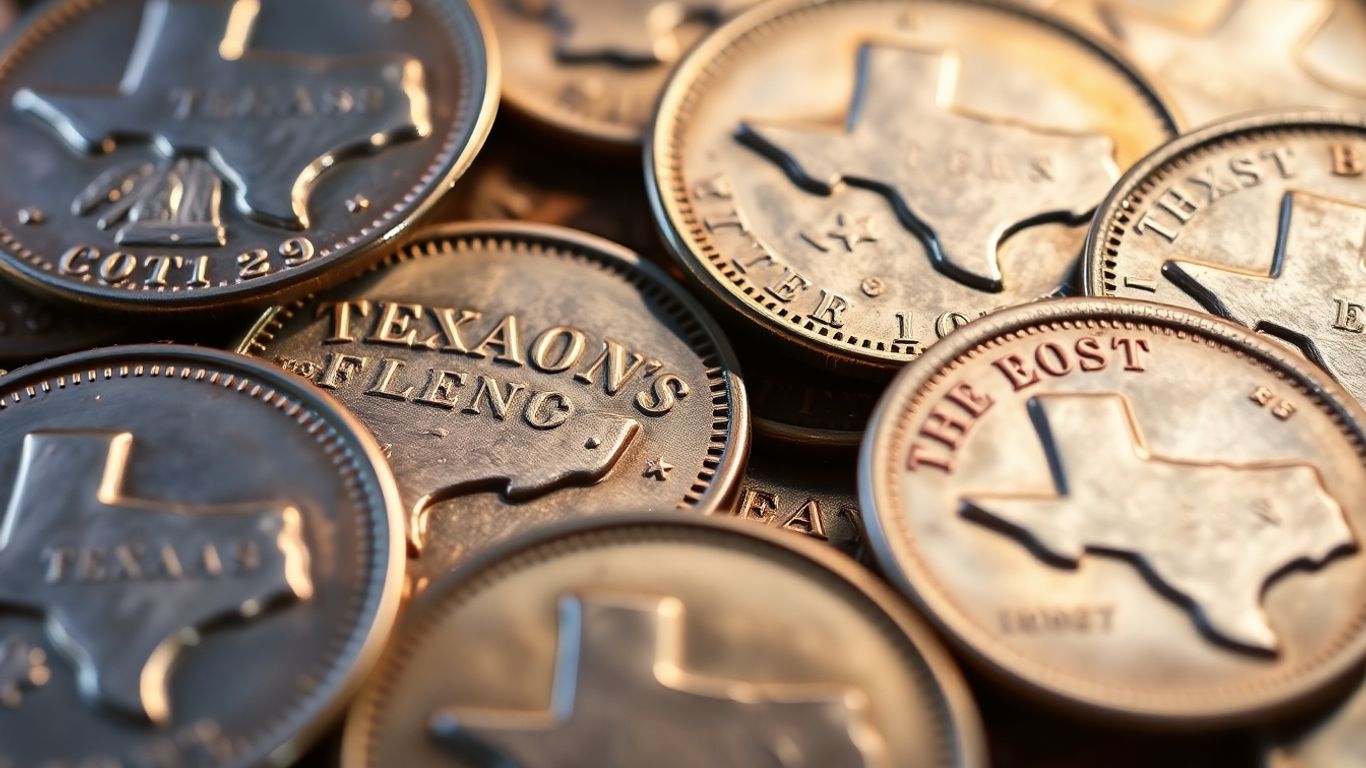
So, you’ve been hunting for those elusive Texas rare coins, maybe even found a few interesting error pieces. Now what? Figuring out how to buy, sell, or trade these finds is the next big step. It’s not always as simple as walking into a shop and making a deal. The market for these coins can be a bit tricky, but with a little know-how, you can make smart moves.
Private Sales and Trades
Many of the really special coins, especially those with unique Texas mint marks or specific errors, don’t always show up at big auctions or even at coin shows. Collectors often deal directly with each other. If you’ve let people know you’re searching for a particular type of doubled die from the Denver mint, for example, someone might contact you directly with an offer. This cuts out the middleman, which can sometimes mean better prices for both the buyer and the seller. It’s all about being part of the community and letting folks know what you’re after. Building connections means you’re not just hunting for coins; you’re building a network of people who share your passion. This can lead to opportunities you wouldn’t find on your own, making the search for Texas error coins much more rewarding. You might even find someone willing to barter for something completely different, like a service or another collectible item. It’s a bit more informal than a straight sale, but it can be a lot of fun and lead to some great finds. Just make sure you both agree on the value of the items being traded before you make the exchange. It’s a good way to get valuable state quarters if you’re lucky.
Selling Your Texas Error Finds
Once you’ve built up a collection, you might decide it’s time to sell some of your Texas error coins. The process is similar to buying, but with a different goal. You can try selling directly to coin dealers, especially those who specialize in errors. They might offer you a fair price, though they’ll likely be looking to make a profit themselves. Selling at coin shows can also work, as you can meet potential buyers face-to-face. Online marketplaces are another option, but be prepared for competition and the need to ship your coins safely. Remember, the condition and rarity of your error coin will heavily influence how much you can get for it. Understanding current market conditions is key to getting the best price for your coins.
Trading and Bartering Strategies
Sometimes, selling isn’t the only way to go. Trading with other collectors can be a fantastic way to acquire new pieces for your collection without spending cash. This is where building relationships within the collecting community really pays off. If you know other collectors who are looking for what you have, and you’re looking for what they have, a trade can be a win-win. It’s all about finding that mutual interest. It’s a bit more informal than a straight sale, but it can be a lot of fun and lead to some great finds. Just make sure you both agree on the value of the items being traded before you make the exchange. It’s a good way to get valuable state quarters if you’re lucky. Here’s a look at how trades can work:
- Direct Swaps: You have a coin someone else wants, and they have one you need. Simple exchange.
- Multi-Coin Trades: Trading several of your coins for one valuable piece, or vice-versa.
- Item for Coin: Bartering a non-coin item or service for a coin.
The coin market can be unpredictable. Staying informed about trends and what similar coins are selling for is important. Don’t be afraid to do your homework before agreeing to a sale or trade.
Here are some common places to look for potential trades or buyers:
- Local coin clubs and their meetings.
- Online forums dedicated to numismatics.
- Coin shows and conventions.
Remember, building trust within the collecting community is just as important as the coins themselves. A good reputation can open doors to many opportunities. You can find more information on market conditions at Texas coin market.
Securing Your Texas Rare Coin Investments
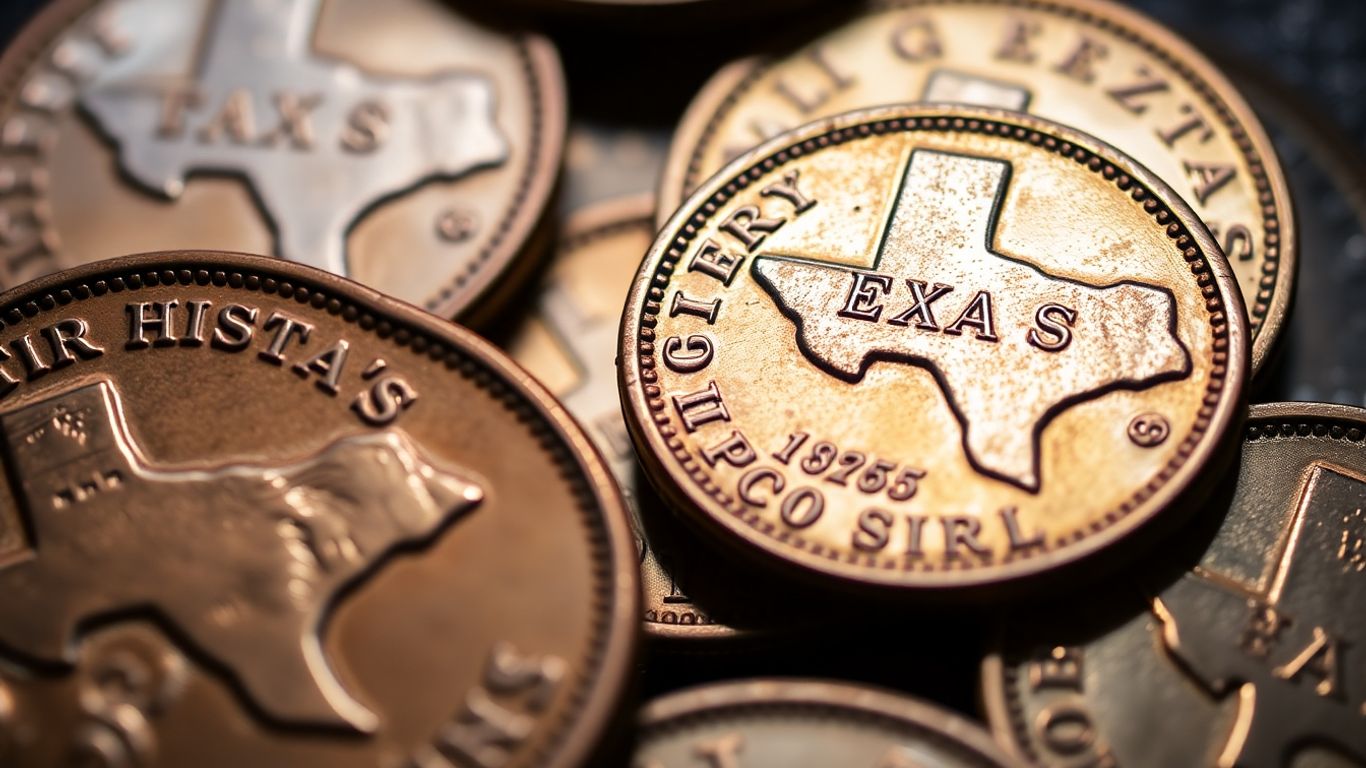
So, you’ve spent time hunting down some really interesting Texas coins, maybe even found a few with some unique errors. That’s awesome! But now what? You want to make sure these pieces are protected, right? It’s not just about having them; it’s about keeping their value and making sure they’re safe for the future.
Working With A Trusted Dealer
Finding the right person to help you with your coins can make a big difference. A good dealer isn’t just someone who buys and sells; they’re like a knowledgeable friend who knows the ins and outs of the Texas coin market. They can help you figure out if a coin is the real deal, what it’s worth, and even point you toward pieces that might fit well with what you already have. Building a relationship with a reputable dealer is key to making smart moves with your collection. They can offer insights you might not find on your own, and they often have access to coins that aren’t readily available to the public. It’s always a good idea to do a little homework on dealers before you commit, maybe check out reviews or ask other collectors for recommendations.
Coin Insurance Appraisals
If you’ve got a collection that’s really grown in value, you might want to think about getting it insured. Insurance companies sometimes don’t quite grasp how much rare coins are worth. That’s where a professional appraisal comes in. An appraiser who really knows coins can give you a detailed report that accurately reflects your collection’s worth. This is super important if you ever need to file a claim. You want to be sure you’re covered properly for any unexpected events. It’s a good idea to get these appraisals done periodically, especially if the market shifts or you add significant pieces.
Estate Appraisals For Collections
What happens to your coin collection when you’re no longer around? It’s something most people don’t like to think about, but planning ahead is smart. If you’ve inherited a collection or want to make sure your own collection is handled properly after you’re gone, an estate appraisal is the way to go. This type of appraisal helps sort out the value of everything for legal and distribution purposes. It can make a difficult time a little bit easier for your loved ones. Getting a professional appraisal now can save a lot of headaches later.
Protecting your Texas rare coins involves more than just keeping them in a safe place. It means understanding their true worth, getting them properly documented, and making sure they are insured against loss or damage. For long-term security, consider options like secure depositories for valuable assets, especially if you’re dealing with significant quantities of precious metals. Texas Bullion Depository is one such option to look into.
Here are a few things to consider when thinking about appraisals and protection:
- Documentation: Keep detailed records of your coins, including purchase history, grading reports, and previous appraisals.
- Storage: Think about how you’re storing your coins. Are they protected from humidity, extreme temperatures, and physical damage?
- Regular Review: Coin values can change. It’s wise to have your collection re-appraised every few years or after major acquisitions.
Wrapping Up Your Texas Coin Journey
So, you’ve learned a bit about what makes Texas coins special, whether they’re old pieces of history or have those interesting little minting mistakes. It’s a hobby that can be really rewarding, offering a mix of learning about the past and maybe even seeing your collection grow in value over time. Remember, patience is key, and building relationships with other collectors or a trusted dealer can make all the difference. Keep exploring, keep learning, and most importantly, enjoy the hunt for those unique Texas coins!
Frequently Asked Questions
What makes a Texas coin rare and valuable?
A Texas coin becomes rare and valuable for a few main reasons. It could be its age, how many were made (low mintage), if it has a special mark showing where it was made (mint mark), or if it has a mistake from the factory. Some coins are also valuable because of their metal, like gold or silver, but many are prized for their history and how hard they are to find.
How can I tell if a coin I found is a real error or just damaged?
This is a tricky part! Real errors happened when the coin was being made at the mint. Things like double images or parts missing are often errors. Damage usually happens after the coin is made, like if it’s scratched, bent, or run over. If it looks like something happened to the coin after it left the mint, it’s probably damage and not a valuable error.
Where are the best places to look for rare Texas coins?
You can start by looking through your everyday change – you might be surprised! Going to local coin shows is a great idea because you can see lots of coins and talk to sellers. Also, joining online coin collector groups can help you learn from others and find out about coins for sale.
What does 'grading' mean for coins?
Grading is how experts describe the condition of a coin. It’s like giving it a score based on how worn it is, if there are any scratches, and how clear the details are. A coin in better condition, or ‘higher grade,’ is usually worth more money. Professional services grade coins to help buyers and sellers know the coin’s true state.
Should I sell my rare coins to a dealer or try selling them myself?
Selling to a dealer can be faster and easier, and they know the market. However, you might get a better price if you sell directly to another collector, perhaps at a coin show or through an online community. Just be sure to research the value and be careful when dealing with strangers, especially online.
Is collecting rare coins a good investment?
For many people, collecting rare coins is both a hobby and an investment. Some coins can increase in value over time, especially if they are rare, in good condition, or made of precious metals. However, like any investment, the value can go up or down, so it’s important to do your homework and buy coins you truly appreciate.