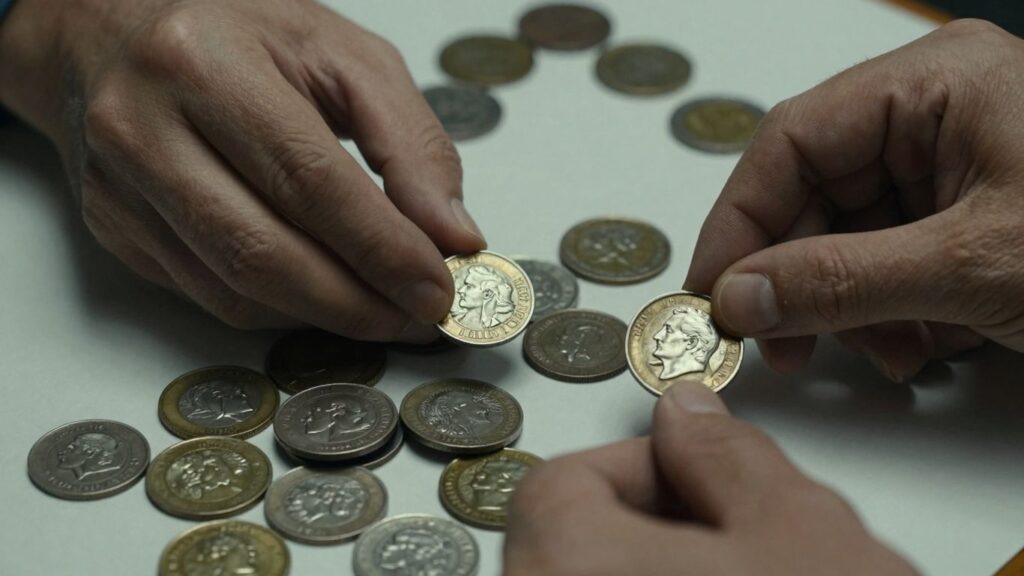
So, you’ve got a coin collection gathering dust and are wondering what a dealer would actually pay for it. It’s not just about the face value, or even what you see on some auction sites. Dealers look at a lot of things when they’re deciding to buy a collection, and understanding their perspective can help you get a fairer price. Let’s break down what goes into their decision-making process.
Key Takeaways
- Dealers carefully check a coin’s condition, paying close attention to how well it was made (strike) and how it looks overall (eye appeal). They can spot cleaned coins easily, which lowers their value.
- The actual metal content and rarity of a coin, like ‘key dates,’ are big factors. They also look at surface quality and toning, as some colors can add value while others detract from it.
- Authenticity is paramount. Dealers use their experience and tools like scales, calipers, and magnification to make sure a coin is real and has the correct metal content before making an offer.
- Market value and how many coins a dealer already has in stock play a role. They need to be able to resell the coins to make a profit, so they consider their own business costs and risks.
- Building trust is important. Dealers look for sellers who are knowledgeable and honest, and sellers should do their homework on dealers, checking references and understanding any fees involved.
Understanding Coin Condition and Grading
When a dealer looks at a coin collection, the first thing they really zero in on is the condition and how the coins are graded. It’s not just about whether a coin is old; it’s about how well it’s held up over time. This is where the rubber meets the road, so to speak, in determining a coin’s actual worth beyond its face value.
The Importance of Strike and Eye Appeal
Strike refers to how well the details of the coin were imprinted during the minting process. A strong strike means all the little lines and features are sharp and clear. A weak strike, on the other hand, can leave parts of the design looking mushy or undefined. Dealers look for coins with a bold, sharp strike because these are generally more attractive. Then there’s eye appeal, which is a bit more subjective. It’s about how pleasing the coin is to look at. This can be influenced by things like toning (the natural discoloration of the metal) and the overall cleanliness of the surface. A coin might be technically a high grade, but if it has a dull appearance or distracting marks, its eye appeal suffers, and so does its desirability for a dealer.
Recognizing Original Surfaces Versus Cleaned Surfaces
This is a big one for dealers. Original surfaces are almost always preferred over cleaned surfaces. Cleaning a coin, even with the best intentions, can often damage it. When a coin is cleaned, it can lose its natural luster, which is that original mint shine. Cleaned silver coins might look unnaturally bright, sometimes called "blast white," or have a dull, washed-out look. Copper coins can turn a pasty pink. Sometimes, you can even see tiny scratches, called hairlines, left behind by cleaning tools. Dealers can usually spot these signs right away. They know that a coin that looks "too good to be true" might have been altered, and that significantly lowers its value. It’s better to have a coin with some natural toning and original surfaces than one that’s been scrubbed.
How Dealers Interpret Grading Standards
Grading coins isn’t just a simple checklist; it’s a skill honed over years. While there’s a standard scale, like the Sheldon scale [18a3] that goes from 1 to 70, how a dealer applies that scale can vary slightly based on experience. They look at:
- Wear: How much of the original detail is worn away from circulation?
- Strike: As mentioned, how well-defined are the coin’s features?
- Surface Preservation: Are there nicks, scratches, or other marks (like bag marks from being jostled in a bag)?
- Eye Appeal: Does the coin look good? This includes luster and toning.
Dealers compare the coin in hand to established grading guides and their own mental catalog of thousands of coins they’ve seen. They understand that two coins with the same numerical grade might look very different. For instance, a coin with a weak strike but otherwise perfect surfaces might be less appealing than a coin with a slightly lower grade but a fantastic strike and great eye appeal. They also know that certain dates or mint marks are expected to have certain characteristics. For example, some coins are known to often come with weak strikes or noticeable bag marks, so finding one that deviates from that norm can be a sign of a truly special coin.
Dealers are essentially looking for coins that are not only correctly graded but also possess qualities that make them desirable to their own customers. This means looking beyond the number and assessing the coin’s overall aesthetic and historical integrity. A coin that has been handled carefully and retains its original mint state characteristics will always stand out.
Assessing the Intrinsic Value of Coins
Evaluating Luster, Surface Quality, and Toning
When a dealer looks at a coin, they’re not just seeing a piece of metal with a date. They’re assessing its inherent qualities, the things that make it special beyond just its face value or even its melt value. Luster is a big one. Think of it as the coin’s original shine, how light plays off its surfaces. A coin that still has its original mint luster, that frosty or cartwheel effect, is way more appealing than one that looks dull or has been handled a lot. Surface quality ties into this – are there a lot of little scratches, nicks, or other marks? These imperfections, often called bag marks, can really detract from a coin’s look. Toning, the natural discoloration that can happen over time, is a bit more complex. Sometimes, attractive, even toning can add character and value, especially if it’s colorful and uniform. Other times, it can look like damage or be an indicator of cleaning, which is a whole other issue.
Identifying Key Dates and Condition Rarity
Every coin series has its stars – the ‘key dates’. These are usually coins from a specific year or mintmark that were produced in much smaller numbers or had lower survival rates. Finding a key date in good condition is a big deal for collectors. But it’s not just about the date; it’s about condition rarity. This is where a coin that might not be a key date in general becomes super valuable because it’s rarely seen in high grades. For example, a common date coin that’s in perfect, uncirculated condition might be much harder to find and thus more desirable than a scarce date that’s heavily worn. Dealers know these nuances. They understand that a coin’s true rarity often lies in its state of preservation, not just its mintage figures.
Here’s a quick look at how rarity impacts value:
- Low Mintage: Fewer coins produced means fewer available.
- High Survival Rate: Many coins survive in lower grades, making high-grade examples rare.
- Collector Demand: Popular series with many collectors chasing specific dates/grades drive up prices.
The Impact of Bag Marks and Strike Characteristics
Bag marks are those tiny nicks and abrasions that coins pick up from jostling against each other in mint bags or during transport. While some are unavoidable, especially on softer metals like silver, an excessive amount can significantly lower a coin’s grade and appeal. Dealers are trained to spot these. They’ll look at the overall surface and see if it’s relatively clean or looks like it’s been through a sandstorm. Then there’s the strike. A strong strike means the coin’s design elements are fully formed and sharp. A weak strike can leave details looking mushy or incomplete, which is a definite minus. Some coins are known for having weaker strikes from the mint, and collectors often pay a premium for examples that show a particularly strong strike for that issue. It’s all about how well the coin was made and how it was treated afterward.
Dealers are essentially looking for coins that are both aesthetically pleasing and historically significant. They want pieces that will hold their appeal over time and attract other collectors. A coin’s story, its condition, and its rarity all play a part in this assessment, going far beyond the simple metal content.
The Role of Authenticity and Expertise
When a dealer looks at a collection, one of the first things they’re checking is whether the coins are the real deal. It sounds obvious, right? But there are a lot of fakes out there, and some are pretty convincing. A good dealer has spent years, maybe decades, looking at coins. They develop a feel for what’s genuine.
Tools and Techniques for Authentication
Dealers don’t just rely on a gut feeling, though. They have tools and methods to check things out. It’s a mix of old-school knowledge and modern tech.
- Magnification: Looking at a coin under a strong loupe or microscope can reveal details that are hard to see otherwise. This helps spot inconsistencies in minting or wear patterns that don’t match genuine examples.
- Weight and Dimensions: Every coin has a specific weight and diameter. A dealer will use a precise scale and calipers to measure these. If a coin is even slightly off, it’s a red flag.
- Metal Analysis: For higher-value coins, especially those made of precious metals, dealers might use an XRF (X-ray fluorescence) scanner. This machine can tell you the exact metal composition without damaging the coin. It’s a quick way to confirm if a coin is made of the right stuff.
Verifying Metal Content and Coin Dimensions
This is where the precision tools come in. Imagine a coin that looks perfect but is made of the wrong alloy. Or one that’s a millimeter too wide. These aren’t just minor details; they can mean the difference between a valuable coin and a worthless imitation.
| Measurement | Standard Range (Example) | Dealer Check | Potential Issue |
|---|---|---|---|
| Weight (grams) | 15.50 – 15.60 | +/- 0.01g | Underweight/Overweight |
| Diameter (mm) | 30.00 – 30.10 | +/- 0.05mm | Too Small/Too Large |
| Metal Composition | 90% Silver, 10% Copper | XRF Scan | Incorrect Alloy |
The Dealer's Eye: Experience in Identifying Fakes
Beyond the tools, there’s the human element. A dealer’s experience is hard to quantify, but it’s incredibly important. They’ve seen thousands of coins, both real and fake. They know the subtle differences in strike, the way the metal flows, the specific look of wear on genuine pieces versus artificial aging.
Sometimes, a coin just feels ‘off.’ It might be the sound it makes when dropped lightly on a hard surface, the way light reflects off it, or a certain softness to the details that a genuine coin wouldn’t have. This intuition, built over years of handling coins, is a powerful part of authentication.
Navigating the Market: Where Dealers Find Value
So, you’ve got a coin collection and you’re wondering how dealers figure out what it’s worth and where they actually find the good stuff. It’s not just about picking up whatever looks shiny. Dealers are always on the lookout for coins that fit their business model, meaning they can turn a profit after all their costs and risks. They’re not just hobbyists; they’re running a business, and that means looking at things a bit differently than a collector might.
Understanding Market Value and Dealer Offers
When a dealer looks at your collection, they’re not just seeing old coins; they’re seeing inventory. They have to consider what they can sell each coin for, minus their overhead, time, and the risk of it not selling. This is why you’ll often hear that dealers offer a percentage of what a coin might fetch at retail. It’s a business calculation. A common benchmark is that a dealer might offer around 30% of the estimated retail value, but this can swing quite a bit depending on the coin, its condition, and how quickly they think they can move it. It’s always a good idea to have a rough idea of what your coins are worth before you even talk to a dealer. You can check out resources like coin catalogues to get a baseline.
The Significance of Inventory Size and Variety
Dealers often look for collections that offer a good mix of items. A collection with a wide range of dates, mint marks, and denominations can be more appealing because it fills multiple gaps in their existing stock. If they have a lot of one particular coin already, they might not be as interested in buying more, even if it’s a nice piece. Variety means they can potentially sell to different types of customers. Think of it like a grocery store – they need more than just apples to attract shoppers.
Identifying Unique and Limited Mintage Items
This is where things get interesting for dealers. They’re always on the hunt for those special coins that stand out. This could be:
- Key Dates: Coins that were minted in very low numbers or are in high demand.
- Condition Rarity: Coins that are exceptionally well-preserved for their type, especially in higher grades.
- Errors and Varieties: Coins with minting mistakes or unusual features that make them distinct.
- Low Mintage Issues: Coins produced in small quantities, often from specific years or mints.
These types of coins are often easier for dealers to sell at a good price because collectors specifically seek them out. They represent a more predictable sale and often a better profit margin.
Dealers are constantly evaluating the coins they see against what they know is currently selling and what they anticipate will sell in the future. It’s a blend of current market knowledge and a bit of educated guesswork about collector trends. They need to be sure they can acquire coins at a price that allows them to make a living, which means they’re always looking for that sweet spot where value meets potential profit.
Building Trust and Reputation
When you’re looking to sell a coin collection, trust is a big deal. It’s not just about the money; it’s about knowing you’re dealing with someone honest. A dealer’s reputation is built over time, and it’s something they work hard to maintain. Think about it: would you rather sell your prized coins to a stranger who seems shady, or to someone known for being fair and knowledgeable?
The Value of Professional Affiliations and References
Reputable dealers often belong to professional groups. These organizations usually have standards members have to follow. Being part of groups like the American Numismatic Association (ANA) or the Professional Numismatists Guild (PNG) shows a dealer is serious about the hobby and their business. They often have codes of ethics they adhere to. It’s like a doctor belonging to a medical association; it suggests a level of commitment and accountability. You can often check if a dealer is a member in good standing. Asking for references from other collectors or dealers is also a smart move. A dealer who is confident in their dealings will usually be happy to provide them. It’s a way to get a feel for their history and how they treat people.
Assessing Dealer Honesty and Respect
How does a dealer treat you? Do they listen to your questions? Do they explain things clearly, or do they use confusing language to make you feel out of your depth? A good dealer respects your collection and your knowledge, even if it’s limited. They should be willing to show you how they arrive at their valuation, explaining the factors that influence the price. This transparency is key. If a dealer seems dismissive or overly pushy, it might be a red flag. It’s important to feel comfortable and respected throughout the process. Remember, they want your business, and that means earning your trust.
The Importance of a Satisfied Customer Base
Word of mouth is powerful, especially in the coin world. Dealers who have been around for a while and consistently treat people well tend to have a strong base of happy customers. These customers often become repeat clients and may even recommend the dealer to others. You can sometimes gauge this by looking at online reviews or simply asking around at coin shows or clubs. A dealer who can point to a long history of satisfied sellers is usually a safe bet. It shows they’re not just looking for a quick flip but are building lasting relationships within the numismatic community. It’s a good sign if they are actively involved in the numismatic community.
When you’re evaluating a dealer, consider their communication style. Do they explain their grading process? Are they upfront about market fluctuations? A dealer who educates you, rather than just giving you a number, is often one you can rely on. This kind of openness builds confidence and makes the selling experience much smoother.
Research and Due Diligence for Sellers
Before you even think about calling a dealer or listing your coins online, it’s smart to do a little homework. You wouldn’t buy a car without checking its history, right? Selling your coin collection should be no different. Getting a handle on what you have and what it might be worth can save you a lot of hassle and potentially put more money in your pocket.
Arming Yourself with Knowledge: Coin Catalogues
Think of coin catalogues as your first line of defense. These books are packed with information about different coins, including their history, mintages, and estimated values. While the prices listed are often retail, they give you a solid starting point for understanding your collection’s potential. It’s like getting a basic education before a big test. Having a good catalogue can help you spot the real gems in your collection.
- Identify Key Information: Look for details like the coin’s date, mint mark, and any special varieties. These small things can make a big difference in value.
- Understand Grading Basics: Catalogues often explain grading standards. Even a basic grasp of terms like "Good," "Very Fine," or "Uncirculated" will help you talk to dealers more intelligently.
- Compare Prices: While not exact, catalogue values provide a benchmark. See how your coins stack up against the listed prices.
Understanding Online Marketplaces and Their Risks
The internet is a huge place for buying and selling, and coin collecting is no exception. You can find almost anything online, and it’s convenient. However, it’s also a bit of a wild west. Photos can be misleading, and it’s easy to get caught up in a bidding war or pay too much if you’re not careful.
- Research Seller Reputation: Look for reviews and feedback. A seller with a long history of positive interactions is usually a safer bet.
- Factor in All Costs: Remember to include shipping, insurance, and any potential import duties or taxes. What looks like a good deal at first glance might end up costing more than you expected.
- Be Wary of "Too Good to Be True" Deals: If a price seems incredibly low for a coin that’s usually expensive, there’s probably a reason. It might be fake, damaged, or simply not what it’s advertised to be.
When a Deal Seems Too Good to Be True
This is where your gut feeling and your research really come into play. If someone is offering you a price that seems way out of line with what you’ve learned from catalogues or other reputable sources, take a step back. Ask questions. A knowledgeable seller will be happy to answer them. If they get defensive or vague, that’s a red flag.
It’s always better to take a little extra time to verify information than to rush into a sale and regret it later. A little bit of effort upfront can prevent a lot of disappointment down the road. Remember, dealers are in business to make money, and they have costs to cover. Understanding this helps set realistic expectations for what they can offer you.
Here’s a quick look at what dealers might offer compared to retail value:
| Coin Type | Estimated Retail Value | Typical Dealer Offer |
|---|---|---|
| Common Circulated | $5 – $20 | $1 – $5 |
| Semi-Key Date | $50 – $200 | $20 – $75 |
| Key Date (Avg. | $500+ | $200+ |
| High-Grade Rare | $1,000s | Varies Significantly |
This table is just a rough guide, of course. The actual offer depends on many factors, including the coin’s exact condition, current market demand, and the dealer’s specific needs for inventory.
Factors Influencing Coin Pricing
So, you’ve got a pile of coins and you’re wondering what they’re actually worth? It’s not just about the date on the front, believe me. A lot goes into what a dealer will offer you, and understanding these things can save you from feeling shortchanged. It’s a mix of the coin itself and what’s happening in the wider world of collecting.
The Impact of Cleaning on Resale Value
This is a big one, and honestly, it catches a lot of people by surprise. You might think a good scrub will make a coin look better, right? Wrong. For collectors and dealers, cleaning a coin almost always hurts its value. Why? Because it removes the original surface, and that’s where a lot of the coin’s character and appeal comes from. Think of it like polishing an old piece of furniture – you might get rid of some grime, but you can also take away its history and patina. A coin that looks ‘shiny’ because it’s been cleaned is usually worth significantly less than an uncleaned one in the same condition. Dealers are wary of cleaned coins because they look altered and often have fine scratches that are only visible under magnification.
How Toning Affects Perceived Value
Toning is different from cleaning. It’s the natural discoloration that happens to a coin over time due to its environment. Sometimes, this toning can be quite attractive, creating beautiful patterns of color. Think blues, greens, purples, or golds. This kind of natural toning can actually increase a coin’s desirability and price, especially if it’s attractive and evenly distributed. However, not all toning is good. Dark, unsightly, or uneven toning can detract from a coin’s appearance and lower its perceived value. It really comes down to aesthetics and what collectors are looking for at the moment. Some collectors specifically seek out coins with vibrant, original toning.
The Difference Between Retail and Dealer Pricing
When you look up coin prices in a guide or see them online, you’re usually seeing retail prices. That’s what a collector might pay to buy a coin from another collector or a shop. Dealers, on the other hand, buy coins to resell them, so they have to factor in their own costs and the need to make a profit. This means they’ll typically offer you less than the retail price. It’s not because they’re trying to rip you off; it’s just how the business works. They need room to clean, grade, market, and eventually sell the coin to another customer.
Here’s a rough idea of what you might expect:
- Retail Price: What a collector pays.
- Dealer Buy Price: What a dealer offers, usually a percentage of retail.
- Wholesale Price: What dealers might sell to other dealers for.
Understanding that a dealer’s offer is a wholesale price, not a retail price, is key to having realistic expectations. They are buying inventory, not just acquiring a single piece for their personal collection. This business model requires them to purchase at a price that allows for future sale and profit.
Factors like rarity, condition, and market demand all play a part in how much a dealer will offer. For instance, a rare coin in top condition might get a better offer than a common coin, even if both are priced similarly in a retail guide. You can check out resources like gold coin prices to get a general idea, but remember that’s just a starting point.
The Dealer's Perspective on Collection Purchases
Why Dealers Reject a Percentage of Coins
Look, nobody wants every single coin that comes their way. It’s just not how the business works. Dealers have to be selective because their whole goal is to turn a profit, and that means buying things they know they can sell, and sell at a price that makes sense. If a coin is damaged, heavily cleaned, or just not in demand, it’s going to sit on the shelf forever, or worse, lose value. Sometimes a coin might be a common date in a low grade – there’s just no market for that kind of thing in bulk. It’s not personal; it’s just business. They’re looking for coins that fit their inventory needs and have a good chance of moving.
Understanding Dealer Business Costs and Risks
Dealers aren’t just buying coins to hoard them. They’ve got overhead, you know? Rent for their shop, utilities, insurance, salaries if they have staff, not to mention the cost of acquiring inventory. Then there’s the risk. What if the market shifts and that rare coin they paid top dollar for suddenly isn’t worth as much? They also have to factor in the time and money spent on authentication, grading, and marketing. It all adds up. So, when they make an offer, they’re not just thinking about what the coin is worth today, but also all the costs and risks involved in selling it tomorrow.
Here’s a quick look at some typical costs:
- Inventory Acquisition: The actual price paid for the coins.
- Operational Costs: Rent, utilities, staff wages.
- Authentication & Grading: Fees for third-party grading services or in-house verification.
- Marketing & Sales: Advertising, website maintenance, show fees.
- Storage & Security: Safely storing valuable inventory.
What Dealers Look For When Buying Coin Collections
So, what makes a collection attractive to a dealer? It’s a mix of things. First off, they want coins that are in demand and have a good chance of resale. This usually means coins with strong market appeal, often in higher grades or key dates. Original surfaces are a big plus – nobody likes a coin that’s been messed with. They also look at the overall condition of the collection. Is it well-organized? Are there a lot of duplicates? A collection with variety and some genuinely scarce items is always more interesting than a pile of common coins. They’re essentially looking for inventory that will help them build their business, not just fill up space.
- Condition Rarity: Coins that are scarce in high grades.
- Key Dates and Semi-Keys: Specific dates or mint marks that are harder to find.
- Original Surfaces: Coins that haven’t been cleaned, polished, or altered.
- Market Demand: Items that collectors are actively seeking.
- Collection Cohesion: A collection that shows a clear collecting focus can be more appealing.
Exploring Different Avenues for Coin Transactions
So, you’ve got a coin collection and you’re ready to see what it’s worth. Where do you even start? It’s not like you can just walk into any old shop and get a fair shake. There are a few main ways people go about selling their coins, and each has its own quirks.
Pros and Cons of Online vs. In-Person Shopping
Online marketplaces are pretty wild these days. You can find almost anything, anytime. It’s super convenient, no doubt about it. You can browse from your couch, compare prices across different sellers, and sometimes snag a deal you wouldn’t find locally. The biggest upside is the sheer volume of coins available and the ease of comparison. But, and it’s a big ‘but’, you’re often buying based on pictures. Lighting can make a coin look way better or worse than it actually is, and you can’t hold it, feel its weight, or check for those tiny marks that might matter. Plus, you’ve got shipping costs, potential customs fees if you’re buying from overseas, and the risk of something getting lost or damaged in transit. It’s a bit of a gamble sometimes.
In-person shopping, like visiting a local coin shop or a coin show, is a different ballgame. You get to see the coin with your own eyes. You can talk to the dealer directly, ask questions, and get a feel for their knowledge. This direct interaction builds trust, which is a big deal in the coin world. However, your selection might be more limited compared to the vastness of the internet, and you might not always get the absolute lowest price because the dealer has overhead costs to cover. It’s a trade-off between convenience and tangible inspection.
Navigating Coin Shows and Auctions
Coin shows are like treasure hunts. You’ve got rows and rows of dealers, all with different inventory. It’s a great place to learn, see a lot of coins in a short amount of time, and maybe even find that one piece you’ve been looking for. You can often negotiate prices directly with dealers, and if you’re lucky, you might find some real gems. Just remember to do your homework beforehand; know what you’re looking at so you don’t get taken for a ride. It’s easy to get caught up in the excitement and overspend.
Auctions are another story. They can be exciting, with the bidding wars and the thrill of winning. You can sometimes find great deals, especially if a coin doesn’t attract a lot of attention. However, auctions also come with their own set of risks. You might get caught up in the bidding and pay more than you intended. There are also buyer’s premiums and other fees that can add up. It’s important to set a strict budget and stick to it. For serious collectors looking for specific items, auctions can be a good route, but it requires a disciplined approach. You might find some interesting pieces at Bullion Sharks.
The Role of Authorized Dealers
When you’re dealing with coins, especially valuable ones, sticking with authorized dealers is generally a smart move. These are folks who have established reputations in the hobby. They often belong to professional organizations, which means they adhere to a code of ethics. This can give you some peace of mind. They usually have a good grasp of what coins are worth and can offer fair prices, though maybe not always the absolute highest you might see on a random online listing. They also tend to offer guarantees of authenticity, which is pretty important when you’re spending serious money. It’s about reducing risk and dealing with people who are invested in the long-term health of the coin market.
When you’re looking to sell, remember that dealers need to make a profit. They have business costs, storage, insurance, and the risk that a coin might not sell quickly. Understanding this helps set realistic expectations for the offers you receive. It’s not personal; it’s just business.
Here’s a quick rundown of where you might sell:
- Local Coin Shops: Good for immediate cash, but offers might be lower.
- Coin Shows: Great for variety and negotiation, but requires research.
- Online Marketplaces: Wide reach, convenient, but carries risks of misrepresentation.
- Auctions: Potential for high prices, but can be competitive and costly.
- Direct to Dealer (Online/In-Person): Can be efficient if you find a reputable dealer.
Protecting Your Interests as a Seller
So, you’ve decided it’s time to part with your coin collection. That’s a big step! Before you hand over your treasures, it’s smart to know how to look out for yourself. It’s not just about getting a fair price; it’s about making sure the whole process is smooth and honest.
Inquiring About Appraisal and Service Fees
When you’re talking to potential buyers, don’t be shy about asking how they figure out what your coins are worth. Some dealers might offer a quick verbal appraisal, while others might charge for a more detailed written one. It’s good to know upfront if there are any costs involved. Also, ask about any fees they might take out of the final sale price. Transparency here is key. You want to know exactly what you’re getting.
- Ask about appraisal costs: Is it free, or is there a fee?
- Understand service fees: What percentage or flat rate do they charge for their services?
- Clarify payment terms: When and how will you get paid?
It’s easy to get caught up in the excitement of selling a collection, but taking a moment to clarify all the financial details beforehand can save a lot of headaches later on. Make sure you have a clear understanding of all potential deductions.
The Benefits of Working with Established Companies
There’s a lot to be said for dealing with companies that have been around for a while. They often have a solid reputation built on years of honest dealings. This can mean more reliable valuations and a smoother transaction. Plus, established dealers are usually more invested in maintaining their good name, which generally translates to better treatment for sellers. You can often find out about a company’s history by checking with collector groups or looking for reviews online. It’s worth the effort to find a reputable buyer.
Ensuring Transparency in Transactions
Honesty is the best policy, right? When selling your coins, you want a buyer who is upfront about everything. This includes how they grade the coins, how they arrive at their offer, and what their plans are for the collection afterward. A dealer who is willing to explain their process and answer your questions openly is usually a good sign. Always get any agreement in writing before you finalize the sale. This protects both you and the dealer. If you’re shipping valuable items, like silver coins, make sure you’re using insured shipping and keeping good records of everything. Learn about selling silver coins.
Here’s a quick checklist for transparency:
- Does the dealer explain their grading process?
- Are they open about how they determine the offer price?
- Do they provide a written agreement detailing the terms?
- Is there a clear plan for payment and delivery/pickup?
Wrapping It Up
So, when a dealer looks at your coin collection, they’re not just seeing old metal. They’re checking for a lot of things – the coin’s condition, sure, but also its history, how it was made, and if it looks good. It’s not just about the big names or the rare dates; sometimes, it’s the little details that make a difference. Knowing this stuff yourself helps a ton. It means you can talk to dealers more confidently and get a better idea of what your coins are really worth. Remember, a good deal is one where both sides feel good about it. Do your homework, find someone you trust, and you’ll likely get a fair shake.
Frequently Asked Questions
What's the most important thing dealers look for when buying coins?
Dealers really focus on a coin’s condition and its overall look. They want to see if the coin was made well (strike) and if it’s pleasing to the eye. They also check if the coin’s surface looks natural or if it’s been cleaned, which can hurt its value. Knowing how coins are graded helps a lot here.
How do dealers figure out how much a coin is worth?
They look at things like how shiny the coin is (luster), the quality of its surface, and any color changes (toning). Special coins that are hard to find in good shape (key dates and condition rarity) are also very important. They also notice small marks or how the coin was made, which can affect its price.
How do dealers make sure a coin is real and not a fake?
Experienced dealers have a sharp eye for spotting fakes. They use tools like scales to check the weight, calipers to measure size, and magnifying glasses to look at details. Sometimes they even use special machines to test the metal. Knowing what a real coin should look and feel like is key.
Where do dealers find the best value when buying collections?
Dealers look for coins that are in demand and that they can sell for a profit. They also value collections that have a wide variety of coins or include rare items with low mintages. Having a good understanding of what’s currently selling well in the market helps them spot value.
Why is trust important when selling coins to a dealer?
Building trust means working with dealers who are honest and treat you with respect. Dealers who are part of professional groups or have good references are usually more reliable. A good reputation and happy customers show that a dealer is trustworthy.
What should sellers do before trying to sell their coin collection?
Sellers should do their homework! Reading coin catalogs and learning about coin values is a smart first step. They should also be careful when buying or selling online, as pictures can be misleading. If a deal seems too good to be true, it probably is.
How does cleaning a coin affect its price?
Cleaning a coin can significantly lower its resale value. While it might make a coin look better to some, collectors and dealers often see cleaned coins as damaged. Natural toning, on the other hand, can sometimes add value if it’s attractive.
Why might a dealer turn down some coins from a collection?
Dealers have to consider their business costs and risks. They might reject coins that are too common, in poor condition, have been cleaned, or simply don’t fit what they need for their inventory. They often reject a portion of coins because they don’t meet their strict standards.