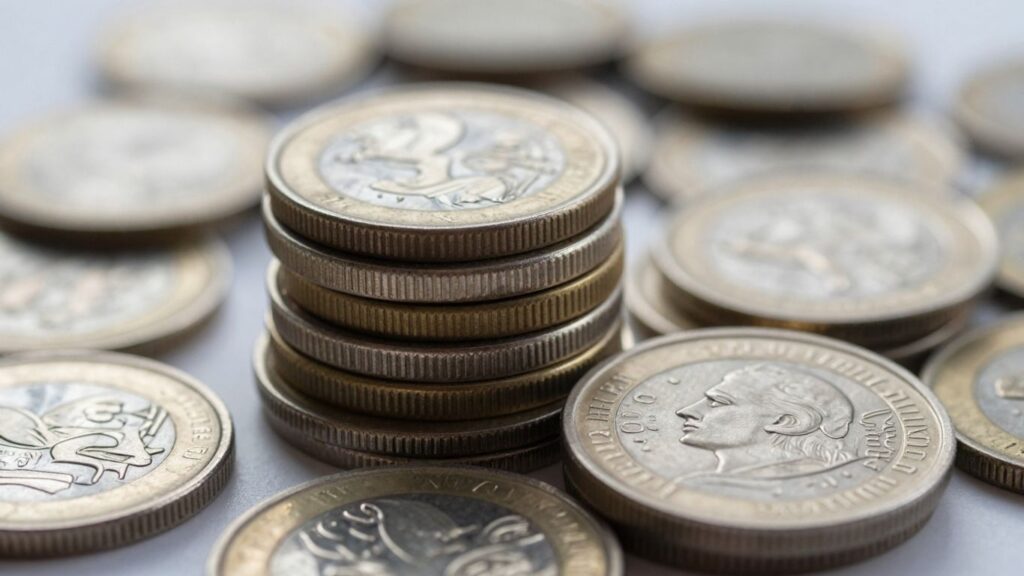
Thinking about buying gold or silver coins? It’s smart to know what makes their prices go up and down. It’s not just about how much metal is in them. A bunch of things, from what’s happening in the world economy to what people are saying on the news, can really move the market. Let’s break down what affects the price of silver and gold coins, so you can make better choices.
Key Takeaways
- Global economic trends, like recessions and the growth of emerging markets, really influence how much people want gold and silver coins, and therefore their prices.
- When money loses value due to inflation, or when central banks change their policies, people often turn to gold and silver as a safer place to put their money, which can boost coin prices.
- How much gold and silver can be mined or recycled, along with rules about mining and new tech, affects how much is available, and that plays a big part in pricing.
- Demand for silver in technology and medicine, plus general economic growth, can drive up its price, while gold is often seen more as a safe bet during uncertain times.
- What investors think and do, like buying or selling based on news or rumors, and big moves by large investment firms, can cause quick price changes for gold and silver coins.
Global Economic Trends And Their Influence
Economic Cycles And Precious Metals
The economy doesn’t just go up forever, right? It has its ups and downs, like a roller coaster. These swings, known as economic cycles, really matter when we’re talking about gold and silver coins. When the economy is booming, people often feel more confident spending money on things like jewelry or art, and maybe less inclined to put it all into safe-haven assets like precious metals. But when things start to slow down, or we head into a recession, that’s when gold and silver often shine. People get nervous about their money losing value in stocks or banks, so they look for something more solid, something that’s held its worth for centuries. That’s why you’ll often see prices climb when the economic news isn’t so great.
Emerging Markets' Impact On Demand
Think about countries like China and India. As more people there start to earn more money, they often want to buy gold and silver, not just for investment but also for cultural reasons, like weddings and festivals. This growing demand from big, developing economies can really push up the prices globally. It’s not just about what’s happening in the US or Europe anymore; what happens in these emerging markets has a huge effect on the whole picture.
Recessions And Financial Instability
When a recession hits, or there’s a big financial scare, it’s like a siren call for gold and silver. People worry about their savings, their jobs, and the stability of the financial system. In these shaky times, precious metals are seen as a safe place to park your money. They’re not tied to any one company or government in the same way stocks or bonds are. So, during periods of financial turmoil, like the 2008 crisis, you typically see a rush to buy gold and silver, driving their prices up as investors seek shelter from the storm. This flight to safety is a classic response to economic uncertainty.
The interconnectedness of global economies means that a downturn in one major region can ripple outwards, affecting demand and supply chains for precious metals worldwide. Understanding these broad economic movements is key to grasping why coin prices fluctuate.
Monetary Policy And Inflationary Pressures
When we talk about what makes gold and silver prices move, you can’t ignore what central banks and governments are up to. Their decisions about money supply and spending have a pretty big effect.
Inflation As A Hedge
Think of inflation as the slow erosion of your money’s buying power. When prices for everyday stuff go up, your dollar doesn’t stretch as far. This is where gold and silver often step in. People see these precious metals as a way to protect their wealth when the value of paper money starts to drop. It’s like putting your money into something that historically holds its value better than cash during these times. When inflation heats up, demand for gold and silver usually follows suit.
The idea is simple: if your dollars are buying less, you might want to hold onto something that has its own intrinsic worth, rather than just currency that seems to be losing ground.
Central Bank Monetary Strategies
Central banks, like the Federal Reserve in the US, have a few tools they use to manage the economy. They can adjust interest rates and control how much money is circulating. When they decide to pump more money into the economy, often through things like quantitative easing, it can lead to higher inflation. This increased money supply can make the currency weaker, which, in turn, often makes gold and silver more attractive to investors looking for a stable store of value. Conversely, if they tighten the money supply or raise interest rates, it can make holding cash or bonds more appealing, potentially dampening demand for precious metals.
Here’s a quick look at how some strategies can play out:
- Expansionary Policy: Lower interest rates, increased money supply. Can lead to inflation, making gold/silver more attractive.
- Contractionary Policy: Higher interest rates, decreased money supply. Can make cash/bonds more attractive, potentially lowering gold/silver demand.
- Quantitative Easing (QE): Buying assets to inject money. Often associated with inflation fears and increased precious metal interest.
Fiscal Policies And Currency Devaluation
Governments also play a role through their spending and taxation decisions, known as fiscal policy. When governments spend a lot, especially if they’re running big deficits and borrowing heavily, it can put pressure on the currency. This increased government debt can sometimes lead to concerns about the currency’s long-term stability. If people start to worry that a country’s money is losing value, they often look for safer places to put their savings. This is another reason why gold and silver can see increased demand. A weaker currency means that it takes more of that currency to buy the same amount of gold or silver, pushing up the dollar price of these metals. This dynamic is a key reason why investors watch the US dollar so closely when considering precious metals.
Supply Chain Dynamics And Production Factors
When we talk about the price of gold and silver coins, it’s not just about what people want to buy. We also have to look at where these metals come from and how they get to us. This whole process, from digging them out of the ground to having them ready for sale, is what we call the supply chain, and it’s got a bunch of moving parts that can really shake things up.
Mining Regulations And Environmental Concerns
Governments and international bodies are increasingly putting rules in place about how mining operations can run. These regulations often focus on protecting the environment, which is a good thing, but they can also make it harder and more expensive to extract metals. Think about stricter rules on water usage, waste disposal, or protecting certain habitats. Sometimes, these rules can even shut down mines altogether, especially in places where political stability is already a bit shaky. This directly impacts the amount of metal available on the market. For example, new environmental laws in a major producing country could suddenly reduce the global output of silver, leading to higher prices. It’s a delicate balance between responsible resource management and meeting market demand. The supply crisis in silver is a good example of how these factors can play out.
Technological Advancements In Extraction
On the flip side, technology is always changing. New ways to find and extract gold and silver from the earth are being developed all the time. Sometimes, these advancements make it easier and cheaper to get the metals out of the ground. If a new, super-efficient extraction method becomes widespread, it could potentially increase the supply of these metals. More supply, all else being equal, usually means lower prices. However, these technologies can also help access lower-grade ores that were previously uneconomical to mine, extending the life of existing mines and potentially stabilizing supply in the long run.
Recycling And Metal Recovery Efforts
It’s not just about new mining. A significant amount of gold and silver already exists in circulation, in old jewelry, electronics, and industrial components. Recycling and recovery efforts are becoming more sophisticated. Better technologies mean we can pull more of these precious metals out of old products. This recovered metal adds to the overall supply. The efficiency of these processes can influence how much secondary supply enters the market, which can, in turn, affect the price of newly mined metals. It’s a bit like having an extra source of supply that’s always there, ready to be tapped.
The journey of gold and silver from mine to market is complex. Regulations, technological leaps, and the simple act of reusing existing materials all play a role in determining how much metal is available. These factors don’t operate in a vacuum; they interact with global economic trends and investor demand to shape the final price you see on a coin.
Here’s a quick look at how these factors can influence supply:
- Mining Output: New discoveries and the efficiency of extraction directly affect how much new metal enters the market.
- Regulatory Environment: Changes in laws, especially environmental ones, can limit or expand mining operations.
- Recycling Rates: The amount of metal recovered from old electronics and jewelry adds to the available supply.
- Geopolitical Stability: Unrest in mining regions can disrupt production and reduce supply.
Understanding these dynamics is key to grasping why the price of precious metals can fluctuate, sometimes quite dramatically.
Industrial And Technological Demand Drivers
When we talk about what makes the price of silver and gold coins move, it’s not just about people hoarding them for a rainy day. There’s a whole other side to it: what these metals are actually used for in the real world, especially silver. Think about it – these aren’t just shiny objects; they’re key ingredients in a lot of modern stuff.
Silver's Role In Technology
Silver is pretty special because it’s the best conductor of electricity we know. This makes it super important for electronics. You’ll find it in circuit boards, batteries, and all sorts of gadgets like smartphones and computers. As technology keeps advancing and we want more powerful and smaller devices, the need for silver in manufacturing these components goes up. This constant demand from the tech world is a big reason why silver prices can stay strong, even when other markets are shaky.
Medical And Environmental Applications
Beyond electronics, silver has some neat properties that make it useful in medicine and for the environment. Its natural ability to fight off germs means it’s used in things like wound dressings, surgical tools, and even water filters. Plus, in the push for cleaner energy, silver is a vital part of solar panels. It’s what helps convert sunlight into electricity. As more countries focus on renewable energy and better healthcare, the demand for silver in these areas is likely to grow.
Economic Growth And Industrial Output
Basically, when the economy is doing well and factories are busy producing goods, they need more raw materials, including silver. Think of it like this:
- Increased Manufacturing: More cars, more appliances, more electronics being made means more silver is needed.
- Expansion of Key Industries: Growth in sectors like solar energy and advanced medical tech directly boosts silver consumption.
- Technological Innovation: New inventions and products often require specific materials, and silver frequently fits the bill.
The price of silver coins isn’t just about what investors think will happen. It’s also tied to how much silver is actually being used in factories and labs. When industries are humming along, they pull more silver out of the market, which can push up the price of coins. It’s a practical demand that adds a solid floor to silver’s value.
Market Sentiment And Investor Behavior
You know, how people feel about gold and silver can really move their prices. It’s not just about how much is mined or what the economy is doing; it’s also about what everyone thinks is going to happen. This is where market sentiment and investor behavior come into play.
Speculative Trading Activity
Sometimes, prices can jump or drop pretty fast because people are betting on short-term moves. News events, rumors, or just a general feeling that a metal is "hot" can get traders excited. They might buy a lot quickly, pushing prices up, or sell off just as fast if they think the trend is ending. It’s a bit like a frenzy sometimes, and it can make the price charts look like a roller coaster. This kind of trading can really add to the volatility, especially in smaller markets like silver.
Institutional Investor Influence
Then you have the big players – hedge funds, mutual funds, and other large financial institutions. When they decide to buy or sell large amounts of gold or silver, it can have a pretty big impact. A massive buy order from one of these institutions can send prices soaring, and a big sell-off can have the opposite effect. They often have a lot of money to move, so their actions are definitely something to watch.
Investor Psychology And Risk Perception
People’s feelings about risk also play a huge role. When the economy feels shaky or there’s a lot of uncertainty in the world, many investors see gold and silver as a safe place to put their money. It’s like a comfort blanket for their investments. This "flight to safety" can increase demand and push prices up. On the flip side, when things seem stable and people are feeling optimistic, they might move their money out of precious metals and into riskier, potentially higher-return assets. This constant back-and-forth in investor confidence is a major driver of price swings.
It’s fascinating how collective human emotion can translate into tangible market movements. What one person fears, another might see as an opportunity, and when enough people share a similar outlook, the market often follows suit. This psychological element is as real as any economic indicator when it comes to precious metals.
Here’s a look at how different investor types might react:
- Retail Investors: Often influenced by media headlines and general economic news. They might buy during periods of high public interest.
- Institutional Investors: Tend to focus on long-term trends, economic data, and portfolio diversification. Their large trades can significantly impact prices.
- Speculators: Primarily interested in short-term price movements, using technical analysis and market sentiment to guide their trades.
Understanding these different motivations helps explain why prices don’t always move in a straight line, even when economic conditions seem consistent. The outlook for silver remains positive heading into the new year, partly due to this sustained investor interest.
Geopolitical Events And Market Uncertainty
You know, sometimes it feels like the world is just one big, unpredictable soap opera. And when things get dramatic on the global stage, it really shakes up the markets, especially for things like gold and silver coins. Think about it: when there’s a big political dust-up or a conflict brewing somewhere, people get nervous. They start worrying about their money and where to keep it safe. That’s where precious metals often come in.
Political Stability In Mining Regions
Where a lot of these metals come from matters a lot. If there’s instability in a country that mines a ton of gold or silver, it can mess with the supply. Imagine a major mining operation suddenly having to shut down because of local unrest or a change in government. That kind of thing can make prices jump because there’s suddenly less metal available.
- Disruptions to mining operations: Strikes, civil unrest, or sudden policy changes can halt production.
- Export/import challenges: Political tensions can lead to trade restrictions, making it harder to move metals across borders.
- Resource nationalism: Governments might decide to take a bigger cut or control of the resources, impacting availability and cost.
Global Tensions And Safe-Haven Assets
When the news is full of international arguments or potential conflicts, investors tend to get skittish. They look for places to put their money that won’t disappear overnight. Gold and silver have a long history of being seen as ‘safe havens’ during these shaky times. It’s like people are saying, ‘Okay, the stock market looks dicey, maybe I’ll just buy some gold instead.’ This increased demand, even if it’s just based on fear, can push prices up.
The perception of safety is a powerful driver. When global stability is questioned, the tangible nature and historical value of precious metals become more appealing than abstract financial instruments.
Trade Wars And Economic Disruptions
Trade wars are another big one. When countries start slapping tariffs on each other’s goods or blocking imports, it throws a wrench into the global economy. This uncertainty can make businesses hesitant to invest, and it can weaken currencies. Again, people look for something solid, and that often means gold and silver. It’s a bit of a domino effect: trade disputes lead to economic worries, which leads to people seeking out precious metals.
Historical Economic Shocks
Looking back at history really shows how much big economic events can shake up the price of gold and silver coins. It’s not just about the metal itself; it’s about how people react when things get uncertain.
Lessons From The Great Depression
The Great Depression, kicking off in 1929, was a rough patch for pretty much everyone. As banks started failing and the stock market took a nosedive, people lost trust in the financial system. This is when gold really started to shine as a safe place to put your money. The U.S. government even stepped in, making people turn in their gold coins, which just goes to show how important they thought gold was during that crisis. Even with that happening, gold held its value, proving it could be a steady asset when everything else was falling apart.
The Impact Of World War II
World War II was another major turning point. With the world in turmoil, countries scrambled to secure their wealth, and gold reserves became a big deal. This increased the appeal of gold coins and bars. After the war, the Bretton Woods system was set up, linking major currencies to the U.S. dollar, which was backed by gold. This really cemented gold’s role in global finance.
Recent Global Crises And Their Effects
More recently, we’ve seen how events like the 2008 financial crisis and the COVID-19 pandemic have affected precious metals. During the 2008 crisis, gold prices shot up as people looked for safety. Similarly, the pandemic brought a lot of economic uncertainty, leading many investors to seek safe haven assets like gold and silver. These events highlight a consistent pattern: when the global economy feels shaky, people often turn to precious metals.
Here’s a quick look at how some major crises impacted gold:
- 2008 Financial Crisis: Saw a strong increase in gold prices due to fear and bank failures.
- European Debt Crisis: Experienced a moderate rise in gold as concerns about national solvency grew.
- COVID-19 Pandemic: Initially saw a rise, then stabilized, driven by economic uncertainty and low interest rates.
These historical events aren’t just stories; they’re case studies that show us how gold and silver often act as a buffer during turbulent economic times. Understanding these patterns can help investors make more informed decisions about their portfolios.
The Future Outlook For Precious Metals
Looking ahead, the landscape for gold and silver coins is shaped by a mix of ongoing economic forces and emerging trends. It’s not a simple crystal ball situation, but we can see some patterns forming.
Anticipated Economic Downturns
Many analysts are keeping a close eye on potential economic slowdowns or even recessions. Historically, when economies get shaky, people tend to look for safer places to put their money. That often means precious metals. Think of it like a storm approaching – you want to secure your valuables. If these downturns materialize, demand for gold and silver as a hedge against financial instability could really pick up. This isn’t just about a small dip; we’re talking about periods where traditional investments might falter, making the stability of metals more attractive. The idea is that even if paper money loses value, the intrinsic worth of gold and silver tends to hold steady, or even increase.
Periods of economic uncertainty, whether from financial crises, global health events, or geopolitical friction, historically drive investors toward assets perceived as secure. Precious metals have long filled this role, acting as a buffer against the unpredictable nature of markets.
Long-Term Investment Strategies
For those thinking about the long haul, precious metals can play a role in wealth preservation. It’s not about getting rich quick, but more about protecting what you have over many years. A common approach is dollar-cost averaging, where you invest a set amount regularly, say monthly. This way, you buy more when prices are low and less when they’re high, smoothing out the ride. Many investors start with a mix, perhaps 70% gold and 30% silver, to get a good balance. This strategy helps take the emotion out of buying, which is often a pitfall for investors. It’s about consistent action, regardless of the daily headlines. This approach can be particularly beneficial for tax purposes if you hold for over a year, and it generally leads to less stress than trying to time the market.
Potential Supply Constraints
It’s easy to think there’s an endless supply of gold and silver, but getting it out of the ground and into coin form is a complex process. Mining, refining, minting – each step takes time and can face its own set of challenges. Delays in any part of this chain can affect how much is available to buyers. Right now, we’re seeing how these supply issues can actually push up the premiums on coins, meaning you pay more than just the metal’s spot price. If demand stays strong and supply remains tight, these premiums could stick around. Some forecasts suggest gold prices could see significant increases, potentially reaching levels like $5,000 per ounce by late 2026. It’s a reminder that physical availability matters a lot in the precious metals market, influencing not just the base price but also the final cost to consumers. Gold prices are projected to remain bullish through 2026 and 2027.
Wrapping It Up: What's Really Moving Gold and Silver Prices?
So, we’ve looked at a bunch of things that can make gold and silver coins go up or down in price. It’s not just one simple answer, is it? You’ve got big global stuff like how economies are doing, whether countries are stable, and even what central banks are up to with interest rates. Then there’s the demand side – how much people want these metals for jewelry, for tech gadgets, or just to keep their money safe when things get shaky. Plus, how easy or hard it is to actually dig these metals out of the ground plays a part too. It’s a mix of all these factors, and sometimes just how people are feeling about the market can cause prices to jump or drop. Keeping an eye on these different pieces of the puzzle can help you get a better sense of where gold and silver prices might be headed.
Frequently Asked Questions
What makes gold and silver prices go up or down?
Many things affect the prices of gold and silver coins. Big economic events, like when the economy is doing poorly or people are worried about money, can make prices go up because people want safe places to put their money. Also, how much of these metals are being dug up from the ground and how much people want them for things like jewelry or technology plays a big part.
Why do people buy gold and silver when the economy is bad?
When the economy gets shaky or prices for everyday things rise a lot (that’s called inflation), people often turn to gold and silver. They see these metals as a way to keep their money’s worth safe, like a shield against their regular money losing value. It’s like they’re saying, ‘My money might be worth less tomorrow, but this gold coin will still be valuable.’
How does what governments do with money affect gold and silver prices?
Governments and their central banks print money and set interest rates. When they print too much money or make borrowing super cheap, it can make regular money less valuable and might cause prices to jump up. This makes gold and silver look more appealing because they tend to hold their value better.
Does the way gold and silver are mined change their prices?
Yes, it absolutely does! If it becomes harder or more expensive to dig gold and silver out of the ground, perhaps because of new rules about protecting the environment or political problems in countries where they’re mined, then there’s less metal available. When there’s less of something people want, its price usually goes up.
Is silver used for more than just jewelry and coins?
Definitely! Silver is super important for technology. It’s used in electronics, solar panels that make electricity from the sun, and even in some medical tools. So, when new gadgets or green energy projects become popular, the demand for silver can increase, which can push its price higher.
How do big world events, like wars or political fights, affect gold and silver?
When there’s a lot of uncertainty in the world, like during wars or major political arguments between countries, people get nervous about their money. They often look for ‘safe-haven’ assets, which are things that are expected to stay valuable even when other things are falling apart. Gold and silver are classic examples of these safe havens, so their prices often climb during these uncertain times.
Does what people think or feel about the economy change gold and silver prices?
Yes, what investors are thinking and feeling, known as market sentiment, plays a huge role. If people are feeling optimistic about the economy and think investments will do well, they might buy less gold and silver. But if they’re worried and think the stock market might crash, they’ll likely buy more gold and silver to protect their money, driving prices up.
Are there lessons from past economic problems that tell us about gold and silver prices today?
History shows us that during major economic crises, like the Great Depression or the 2008 financial meltdown, gold and silver often become more valuable. People lose trust in banks and regular money, and they seek out these precious metals as a reliable place to store their wealth. These past events help us understand why gold and silver are still seen as safe bets during tough economic times.