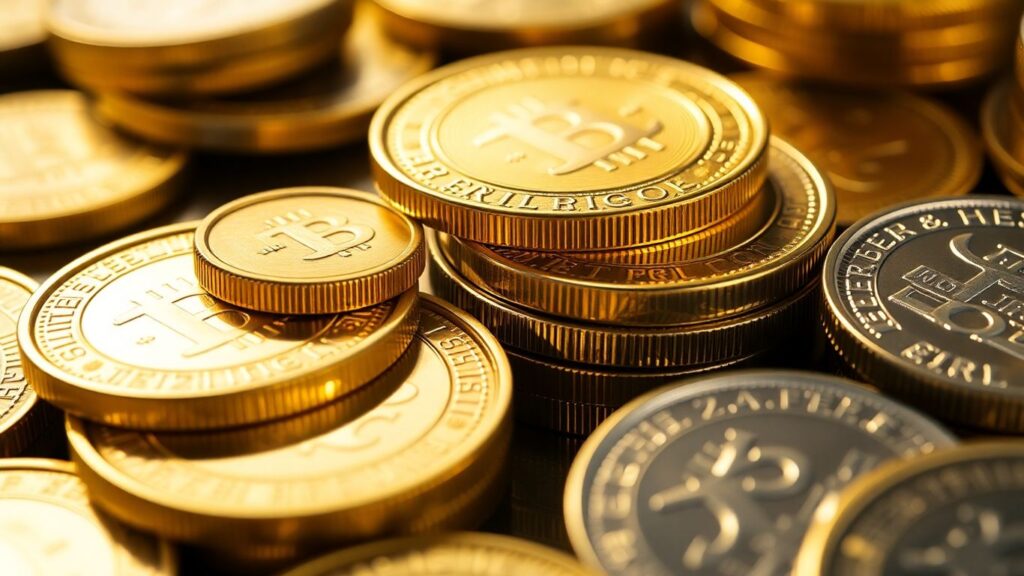
Thinking about putting some money into gold and silver coins? It’s a topic that comes up a lot, especially when the economy feels a bit shaky. People have been interested in these shiny metals for ages, seeing them as a way to keep their money safe. We’re going to look at why adding gold and silver coins to your investment mix might be a good idea, what you need to know about buying them, and how they fit into your long-term financial plans. It’s not just about the price going up; it’s about having a solid part of your portfolio that acts differently than stocks or bonds.
Key Takeaways
- Diversifying your investments with gold and silver coins can help spread out risk, making your overall portfolio more stable.
- These precious metals often hold their value when other investments drop, especially during times of economic worry or rising prices.
- Physical gold and silver coins offer direct ownership, which means you don’t have to rely on a third party, reducing certain risks.
- While investing in gold and silver coins can be a smart move, it’s important to understand that their prices can change and there are costs involved with storage and insurance.
- Adding gold and silver coins to your retirement planning can provide a reliable store of value and help protect your savings over the long haul.
Understanding the Role of Gold and Silver in Your Portfolio
Why Diversification is Key to Investment Success
Think about your investment portfolio like a basket of eggs. If you put all your eggs in one basket and drop it, well, you know what happens. Diversification is the investment equivalent of using multiple baskets. It means spreading your money across different types of assets – stocks, bonds, real estate, and yes, precious metals like gold and silver. This strategy helps reduce overall risk. When one part of your portfolio is down, another might be up, smoothing out the ride. It’s about not putting all your financial eggs in one place.
- Reduces overall risk: Spreading investments means a single bad performer won’t tank your entire portfolio.
- Improves potential returns: Different assets perform well at different times, offering opportunities for growth.
- Provides stability: In uncertain economic times, certain assets can hold their value better than others.
Gold and Silver as Inflation Hedges
Inflation is that sneaky thief that erodes the purchasing power of your money over time. You know, when your dollar just doesn’t buy as much as it used to? Gold and silver have historically been seen as a way to protect against this. When the value of paper money goes down, the value of these tangible assets often goes up. They’ve been considered a store of value for centuries, meaning they tend to hold their worth even when the economy is shaky. Adding some physical silver to your holdings can be a smart move when you’re worried about your money losing its punch.
When inflation rises, the cost of goods and services increases, effectively reducing how much you can buy with the same amount of money. Precious metals, unlike fiat currency, are not created out of thin air and have intrinsic value, which can help preserve wealth during such periods.
Stability During Market Volatility
Markets can be wild, right? One day stocks are soaring, the next they’re plummeting. This is what we call volatility. During these turbulent times, gold and silver often act like a steady anchor. While stocks and bonds might be swinging wildly, precious metals tend to hold their ground or even increase in value. This is because investors often flock to gold and silver when they feel uncertain about the future of traditional markets. They’re seen as safe havens – places to park your money when things get dicey. This can help keep your overall portfolio from experiencing extreme ups and downs.
Exploring Physical Gold and Silver Investments
When you think about putting money into gold and silver, holding the actual metal yourself is a pretty straightforward way to go. It feels secure, you know, having something tangible. Gold bars and coins are recognized pretty much everywhere, so selling them later usually isn’t a big hassle. If you’re looking for something a bit more budget-friendly, silver coins and bars are a good way to get started. Plus, owning physical precious metals means you don’t have to worry about another company going bust or messing things up – that’s called counterparty risk, and you avoid it this way.
The Appeal of Gold Bullion and Coins
Gold bullion basically means pure gold in a bar or ingot form. Then you’ve got gold coins, like the American Gold Eagle or Canadian Maple Leaf, which are super popular with investors. Both give you a good sense of authenticity and purity, which is what people want when they’re buying gold. Investing in these can also mean the value goes up over time. The extra cost on top of the gold’s price, called the markup, is usually pretty low, making it a reasonable way to add gold to your investments.
Silver Bullion and Coins: An Accessible Option
Silver bullion comes in different shapes too – bars, coins, and rounds. This gives you choices. Some well-known silver coins are the American Silver Eagle and the South African Krugerrand. Buying silver bullion and coins can be a cheaper way to start investing compared to gold. Also, investing in silver means you can benefit from its use in industries, which is growing. Silver’s price can really jump up when the economy is doing well. So, adding silver to your investments can be a smart move for a few reasons.
Direct Ownership and Reduced Counterparty Risk
Owning physical gold and silver means you have direct control over your assets. You’re not relying on a bank or a fund manager to hold it for you. This direct ownership cuts out what’s known as counterparty risk. Basically, it’s the risk that the other party in a transaction won’t fulfill their end of the deal. With physical metals, you hold them, so that risk is pretty much gone. It gives you a real sense of security knowing your investment is literally in your hands.
Key Benefits of Investing in Gold and Silver Coins
So, why bother with gold and silver coins for your investment stash? Well, there are a few solid reasons that make them stand out, especially when things get a bit shaky in the wider economy. Think of them as a bit of a safety net, but one that can also grow over time.
Protection Against Inflation and Currency Devaluation
One of the biggest draws of gold and silver is their ability to act as a shield when the value of regular money starts to slip. You know, when prices for everything seem to go up, but your paycheck doesn’t quite keep pace? That’s inflation. Over the long haul, the purchasing power of dollars, euros, or whatever currency you use tends to decrease. Gold and silver, on the other hand, have historically held their value much better. When a currency weakens, it often takes more of that currency to buy the same amount of gold or silver. This means your coins can keep pace with, or even outrun, rising prices, preserving what you’ve earned.
It’s like having a store of value that isn’t tied to any single government’s economic policies. When governments print more money, which can devalue existing money, gold and silver often become more attractive because their supply is more limited.
Enhancing Portfolio Stability and Returns
Adding precious metals to your investment mix isn’t just about hedging against inflation; it’s also about making your whole portfolio more robust. Gold and silver often move differently than stocks and bonds. This lack of correlation means that when the stock market is taking a nosedive, your gold and silver might be holding steady or even going up. This can smooth out the overall ups and downs of your investments, making for a less stressful ride. Plus, while they’re known for stability, they also have the potential for appreciation. Think of it as a way to potentially boost your overall returns without taking on a ton of extra risk. It’s a smart way to add diversification to your portfolio.
Here’s a quick look at how they can help:
- Inflation Hedge: Helps your money keep its buying power when prices rise.
- Market Buffer: Can perform well when stocks and bonds are struggling.
- Store of Value: Historically recognized as a way to preserve wealth over long periods.
- Tangible Asset: You can hold it, which provides a different kind of security than digital or paper assets.
Liquidity During Financial Crises
When financial markets get chaotic, sometimes it feels like your money is trapped. Banks might have issues, stock markets can freeze up, and accessing cash can become a real headache. This is where physical gold and silver coins really shine. They are recognized worldwide and can be sold relatively easily, even in tough times. Unlike some other assets that might become unsellable or lose a huge chunk of their value overnight during a crisis, gold and silver tend to remain in demand. This means you can convert them into cash if you suddenly need it, providing a critical lifeline when other options might be unavailable. It’s that tangible aspect again – you physically possess an asset that others will want, regardless of what’s happening on the news.
Navigating the Challenges of Precious Metals Investing
While gold and silver coins can be a solid addition to your investment mix, it’s not all smooth sailing. Like any investment, there are hurdles you need to be aware of before you jump in. Understanding these potential bumps in the road can help you make smarter decisions and avoid unwelcome surprises.
Understanding Market Dynamics and Price Fluctuations
The prices of gold and silver don’t just go up. They move around, sometimes quite a bit. This is because their values are influenced by a bunch of things, like what’s happening in the global economy, how much of the metal is available, and how much people want it. For instance, if there’s a lot of uncertainty in the world, people often turn to gold and silver, pushing prices up. On the flip side, if the economy is booming and people feel confident, they might sell off precious metals to invest in things that offer quicker growth, potentially lowering prices. It’s important to remember that silver tends to be more volatile than gold, meaning its price can swing more dramatically.
Storage, Insurance, and Associated Costs
If you’re holding physical gold and silver coins, you’ve got to keep them somewhere safe. This isn’t like keeping a few dollars in your wallet. You’ll need a secure place, like a home safe or a bank safe deposit box. Then there’s the question of insurance. What happens if there’s a fire or a theft? You’ll want to protect your investment. These security measures and insurance policies come with costs, which can eat into your overall returns. It’s a trade-off for the peace of mind that comes with direct ownership.
Assessing Risks with Mining Company Investments
Some people choose to invest in companies that mine gold and silver instead of buying the physical metal. This can seem like an easier route, but it comes with its own set of risks. The stock price of a mining company doesn’t just track the price of the metal; it’s also affected by how well the company is run, its operational costs, labor issues, and even political stability in the countries where it operates. If the company has problems, its stock can drop even if the price of gold or silver is going up. It’s a different kind of risk than holding the actual coins.
Investing in precious metals, whether physical or through related companies, requires a clear-eyed view of the potential downsides. Don’t just focus on the upside; understand the full picture before committing your capital. This diligence is key to managing expectations and protecting your wealth.
Integrating Gold and Silver into Your Retirement Strategy
Thinking about retirement can feel like a big puzzle, and where gold and silver coins fit in is just one piece. But it’s a piece that can add some real strength to your long-term plan. As you get closer to retirement, your focus often shifts from aggressive growth to preserving what you’ve built. That’s where these precious metals can really shine.
Adding Stability to Retirement Portfolios
Retirement accounts, like 401(k)s and IRAs, are often heavily weighted towards stocks and bonds. While these can grow nicely, they can also take a big hit when the stock market gets shaky. Gold and silver, on the other hand, tend to move differently. When other investments are dropping, precious metals often hold their value, or even go up. This can help smooth out the ride for your retirement savings, making those inevitable market dips feel a lot less scary.
- Reduced Volatility: Precious metals often act as a counterweight to stock market swings.
- Inflation Hedge: They can help protect the purchasing power of your savings against rising prices.
- Tangible Asset: Owning physical coins provides a sense of security that digital assets might not.
Long-Term Value Preservation
Gold and silver have been considered valuable for thousands of years. That’s a pretty long track record! While their prices do go up and down in the short term, their historical tendency is to retain value over long periods. For retirement, where you’re thinking decades ahead, this kind of stability is gold (pun intended!). It means your nest egg is less likely to be eroded by inflation or economic crises over the many years you’ll be relying on it.
The idea is not to get rich quick with gold and silver, but to make sure the money you’ve saved stays valuable for the long haul. It’s about having a reliable store of wealth that can weather economic storms.
Balancing Precious Metals with Other Retirement Assets
Now, nobody’s saying you should put your entire retirement fund into silver coins. That would be a mistake. The real power comes from diversification. Think of gold and silver as a specific type of insurance for your portfolio. A common recommendation is to allocate a small percentage, maybe 3% to 10%, of your total retirement assets to precious metals. This small slice can provide significant protection without sacrificing too much potential growth from other investments. It’s about finding that sweet spot where you get the benefits of stability and value preservation without over-committing.
Here’s a simple way to think about allocation:
| Asset Class | Typical Allocation Range |
|---|---|
| Stocks | 50% – 70% |
| Bonds | 20% – 40% |
| Real Estate | 5% – 15% |
| Gold & Silver | 3% – 10% |
| Cash/Equivalents | 2% – 5% |
This is just an example, of course. Your personal situation, risk tolerance, and how close you are to retirement will all play a role in deciding the right mix for you. Talking to a financial advisor who understands precious metals can help you figure out the best way to weave these shiny assets into your retirement tapestry.
Wrapping It Up
So, when you look at everything, adding gold and silver coins to your investment mix just makes sense for a lot of people. They’ve been around forever, holding their value when other things get shaky. Whether you’re worried about inflation, the economy going sideways, or just want to spread your bets around, these metals offer a kind of backup. You can get them in physical form, like coins, which feels pretty solid, or through other ways if that’s more your style. It’s not about putting all your eggs in one basket, but about making your whole portfolio tougher. Think of it as a way to sleep a little better at night, knowing you’ve got something real to fall back on.
Frequently Asked Questions
Why should I put gold and silver in my investment collection?
Adding gold and silver to your investments is like having a backup plan. They can help protect your money if prices for everything else go up really fast (that’s called inflation). Also, when the economy is shaky, gold and silver often hold their value better than other things, making your whole collection less risky.
What's the difference between gold bars and gold coins?
Gold bars are like big blocks of pure gold, usually for bigger investments. Gold coins, like American Eagles or Canadian Maple Leafs, are smaller and often easier to buy and sell. Both are ways to own physical gold, which means you actually hold it.
Is it safe to own physical gold and silver?
Owning physical gold and silver means you have something real in your hands. This is great because you don’t have to rely on a company or bank to hold it for you. It’s a direct way to own these precious metals, which gives you more control and less worry about someone else failing.
Can gold and silver help me when money is tight?
Yes, during tough economic times or when there’s a crisis, gold and silver can be easier to sell for cash than some other investments. This means they can give you quick access to money if you suddenly need it, acting like a safety net.
How much gold and silver should I have in my investments?
Most money experts suggest that gold and silver should only be a small part of your total investments, maybe around 5% to 10%. This is because they don’t pay you regular money like some stocks do. They are more for protection and value over time.
What are the downsides of investing in gold and silver coins?
While gold and silver can be good for your investments, their prices can go up and down quite a bit, sometimes quickly. Also, if you own physical coins, you’ll need to pay for a safe place to keep them and for insurance, which adds to the cost.