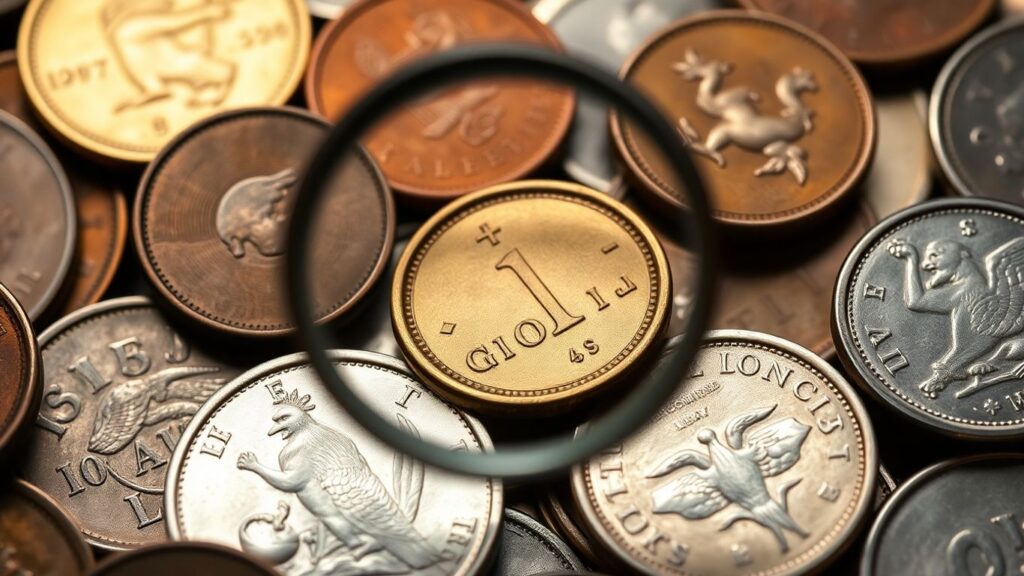
Collecting coins is a really cool hobby, isn’t it? You get to hold bits of history right in your hands. But, like anything valuable, coins need good care to stay looking good and keep their worth. Mess them up with bad handling or storage, and you can really hurt their condition. So, knowing how to look after your coins is super important, whether you’ve got a few or a massive pile. This guide is all about those Coin Preservation Tips that help keep your collection looking its best.
Key Takeaways
- Always handle coins by their edges, preferably with clean cotton gloves, to avoid transferring skin oils and dirt that can cause damage over time.
- Store coins individually in acid-free holders, flips, or capsules to prevent scratching and chemical reactions.
- Maintain a stable storage environment with controlled humidity (around 30-50%) and temperature, away from direct sunlight and pollutants.
- Avoid cleaning coins unless absolutely necessary, and if you do, use only the gentlest methods like distilled water and a soft cloth; never use abrasives.
- Protect your collection from physical damage by handling over soft surfaces and storing them separately to prevent contact and friction.
Essential Coin Preservation Tips For Collectors
Understanding The Importance Of Coin Preservation
Collecting coins is a hobby that connects us to history, art, and culture. But let’s be real, if you’re serious about this, keeping those coins looking good is a big deal. They can get damaged pretty easily, and nobody wants that, especially if they’re rare or valuable. Learning how to take care of them properly is key to keeping them in top shape and protecting what you’ve invested.
This guide is all about the basics of keeping your coins safe. We’ll cover how to handle them, where to store them, and what to do about cleaning. Whether you’re just starting out or you’ve been collecting for a while, these pointers should help you keep your coins looking their best.
Why Proper Handling Matters
How you hold your coins can make a surprising difference over time. The oils and dirt from your hands can cause discoloration and even corrosion. It sounds simple, but avoiding damage starts with how you pick them up.
- Wear gloves: Always use clean, lint-free cotton or nitrile gloves. This stops the oils and dirt from your skin from getting onto the coin’s surface.
- Hold by the edges: Never touch the faces of the coin. Grasp them carefully by their edges.
- Handle over a soft surface: If you happen to drop a coin, having something soft underneath can prevent a nasty ding or scratch.
The smallest bit of oil from your fingers can leave a mark that might not be visible right away, but over years, it can affect the coin’s surface and, yes, its value.
Preventing Physical Damage
Beyond just handling, there are other ways coins can get physically damaged. Think about scratches, dents, or even just them rubbing against each other. These things can really take away from a coin’s appeal and worth.
- Individual storage: Make sure each coin has its own space. Don’t let them rattle around together in a jar or bag.
- Use proper holders: Invest in coin flips, capsules, or albums designed for coins. These keep them separate and protected.
- Be careful when moving: When you’re moving your collection, handle the storage containers gently. Avoid dropping or banging them around.
Safe Storage Solutions For Your Collection
Alright, so you’ve got these coins, right? And you want them to stick around looking good for a long time. That’s where storage comes in. It’s not just about shoving them in a drawer; it’s about giving them a safe little home where they won’t get messed up. Think of it like putting your favorite sweater away – you wouldn’t just toss it on the floor, would you? Same idea here, but with potentially way more value involved.
Choosing The Right Storage Options
There are a bunch of ways to store your coins, and what works best really depends on how many you have and what kind they are. You don’t need the fanciest setup if you’ve only got a handful of common ones, but if you’re sitting on some serious rarities, you’ll want to step it up.
- Coin Flips and Holders: These are pretty basic and good for individual coins. Flips are usually plastic or Mylar, and holders can be a bit sturdier. Make sure whatever plastic you use is inert, meaning it won’t react with the metal of your coin. That’s super important.
- Coin Albums and Folders: If you like things organized and want to see your collection at a glance, these are great. They have slots for specific coins, making it easy to flip through and admire your collection. Just double-check that the album material is safe for long-term contact.
- Coin Tubes and Boxes: Got a lot of coins? Tubes are good for stacking them up safely, especially if they’re all the same size. Boxes are handy for keeping multiple coins together in a more compact way. Again, material matters here – you want something that won’t cause problems down the road.
- Archival Storage Systems and Display Cases: For the really valuable stuff, you might look into more specialized systems. These are built with top-notch materials to offer the best protection. Some are designed to look good too, so you can show off your best pieces without risking them.
Controlling The Storage Environment
Storing your coins isn’t just about the container; it’s also about where you put that container. The environment plays a huge role in how well your coins hold up.
You want to avoid places that get too hot, too cold, or too damp. Fluctuations in temperature and humidity can cause all sorts of issues, from tarnishing to more serious damage over time. Think stable and dry – that’s the golden rule.
Storage Solutions For Long-Term Protection
When you’re thinking long-term, you’re basically trying to create a little time capsule for your coins. This means picking storage that actively protects them from things that degrade them over time.
- Material Inertness: This can’t be stressed enough. Any plastic, cardboard, or metal that touches your coin needs to be chemically stable. Avoid PVC (polyvinyl chloride) plastics like the plague; they break down and can damage coins. Look for Mylar, polyethylene, or polypropylene.
- Protection from Physical Stress: Coins can get scratched or bent if they’re just rattling around. Holders, tubes, and albums keep them separated and cushioned.
- Barrier Against Contaminants: Good storage acts as a barrier against dust, airborne pollutants, and even fingerprints if you’re not careful when handling them. For very valuable coins, you might even consider specialized inert gas enclosures, though that’s usually for serious collectors or institutions.
Proper Cleaning Techniques For Rare Coins
When it comes to your coin collection, cleaning is a tricky subject. Most of the time, it’s best to just leave your coins alone. Seriously, even a little bit of cleaning can mess up the coin’s surface and make it worth way less. Think of it like this: you wouldn’t scrub a priceless painting, right? Coins are kind of the same way. That natural toning or patina? It’s often part of the coin’s history and can actually add to its appeal and value.
When To Clean Coins
So, when should you even think about cleaning a coin? Honestly, it’s rare. You’re probably only looking at cleaning if a coin is really, really dirty, like covered in gunk that’s obscuring details, and you’re pretty sure you know what you’re doing. If a coin has just a bit of tarnish or that nice, aged look, leave it be. That’s character! Trying to scrub it off is usually a bad idea.
Safe Cleaning Methods
If you absolutely have to clean a coin, you need to be super careful. The goal is to remove only the surface gunk without harming the coin itself. Here’s a basic rundown:
- Distilled Water Rinse: Start by gently rinsing the coin in distilled water. Why distilled? Because tap water has minerals and stuff that can leave spots. Just a gentle swish is all you need.
- Pat Dry: Use a soft, lint-free cloth to pat the coin dry. Don’t rub it! Rubbing is how you get tiny scratches, and those are bad news for coin value.
- Avoid Harsh Stuff: Never, ever use abrasive cleaners, chemicals, or polishing compounds. These will wreck the coin’s surface. If you’re dealing with something really stubborn, pure acetone (like the kind used for cleaning electronics, not nail polish remover) can sometimes work for a quick dip, but you have to let it air dry afterward on something soft like felt. Always know what your coin is made of before trying anything like this.
The biggest mistake people make is thinking they can make an old coin look new. Usually, the opposite happens. You end up with a damaged coin that’s worth much less than it was before you touched it. It’s a tough lesson for many collectors.
For beginners wanting to learn more about safeguarding their treasures, don’t hesitate to connect with us. We’ll guide you every step toward building a legacy-worthy assortment. If you’re unsure about a coin’s material or the best way to handle it, it’s always better to err on the side of caution. Remember, always handle coins by their edges to prevent fingerprints and skin oils from damaging the coin’s surface. These oils can be corrosive and tarnish the metal over time. Proper handling is key.
Professional Cleaning Services
For those really valuable or rare coins, or if you’re just not feeling confident about cleaning it yourself, your best bet is to find a professional. Look for a numismatist or a coin conservation expert. They have the knowledge and tools to clean coins safely, if cleaning is even recommended. Sometimes, they might tell you that cleaning isn’t the best option, and that’s good advice to take. It’s better to pay a professional than to ruin a valuable piece of history yourself.
Protecting Coins From Environmental Factors
Humidity Control For Coin Storage
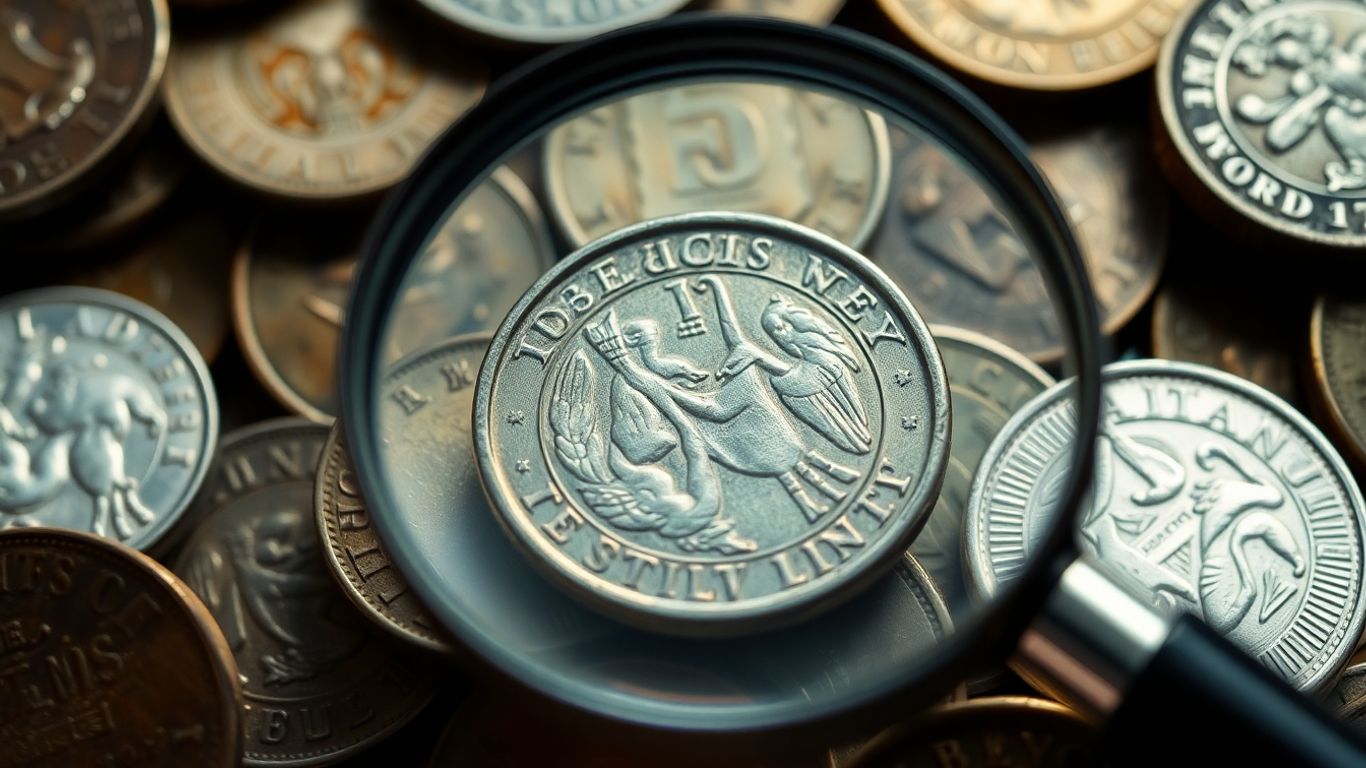
Humidity is a silent enemy to coin collections. Too much moisture in the air can lead to all sorts of problems, from unsightly tarnish to outright corrosion, especially on older or more delicate coins. You really want to aim for a sweet spot, generally between 30% and 50% relative humidity. It might sound tricky, but it’s doable. You can use desiccant packs, like those little silica gel packets you find in new shoes, but on a larger scale. Just make sure to recharge or replace them periodically. For more serious collections or humid climates, a small dehumidifier designed for enclosed spaces can be a lifesaver. Keep an eye on things with a simple hygrometer – they’re not expensive and give you a clear reading.
Temperature Stability
Just like us, coins don’t like wild temperature swings. Big changes can cause materials to expand and contract, which over time, can stress the metal. Plus, rapid temperature shifts often go hand-in-hand with changes in humidity, doubling the trouble. The best approach is to find a cool, stable spot. Think inside closets, away from drafty windows or heating vents. Direct sunlight is a big no-no; not only does it heat things up unevenly, but the UV rays can also cause fading on labels or packaging over long periods. A consistent, moderate temperature is the goal.
Air Quality Considerations
What’s in the air around your coins matters more than you might think. Pollutants, dust, and even certain chemical fumes can settle on your coins and cause damage. This is why storing coins in places like garages, attics, or basements, which often have poor air circulation and are prone to dust and fumes from stored chemicals or car exhaust, is generally not a good idea. If you live in an area with a lot of industrial pollution, you might need to be extra vigilant. Keeping your storage area clean and well-ventilated, but without direct exposure to outdoor air pollutants, is key. Avoid storing coins near art supplies, cleaning products, or anything that gives off strong odors.
Keeping your coin collection safe from environmental damage is all about creating a stable, controlled micro-environment. It’s not about extreme measures, but consistent, thoughtful care. Think of it like keeping a fine wine – you want to avoid the extremes and keep things steady.
Here’s a quick rundown of what to watch out for:
- Humidity: Aim for 30-50% relative humidity. Use desiccants or dehumidifiers if needed.
- Temperature: Keep it cool and stable. Avoid direct sunlight and heat sources.
- Air Pollutants: Store away from chemicals, dust, and fumes. Ensure good, clean ventilation.
- Monitoring: Use a hygrometer and thermometer to keep track of conditions.
Displaying Your Collection Safely
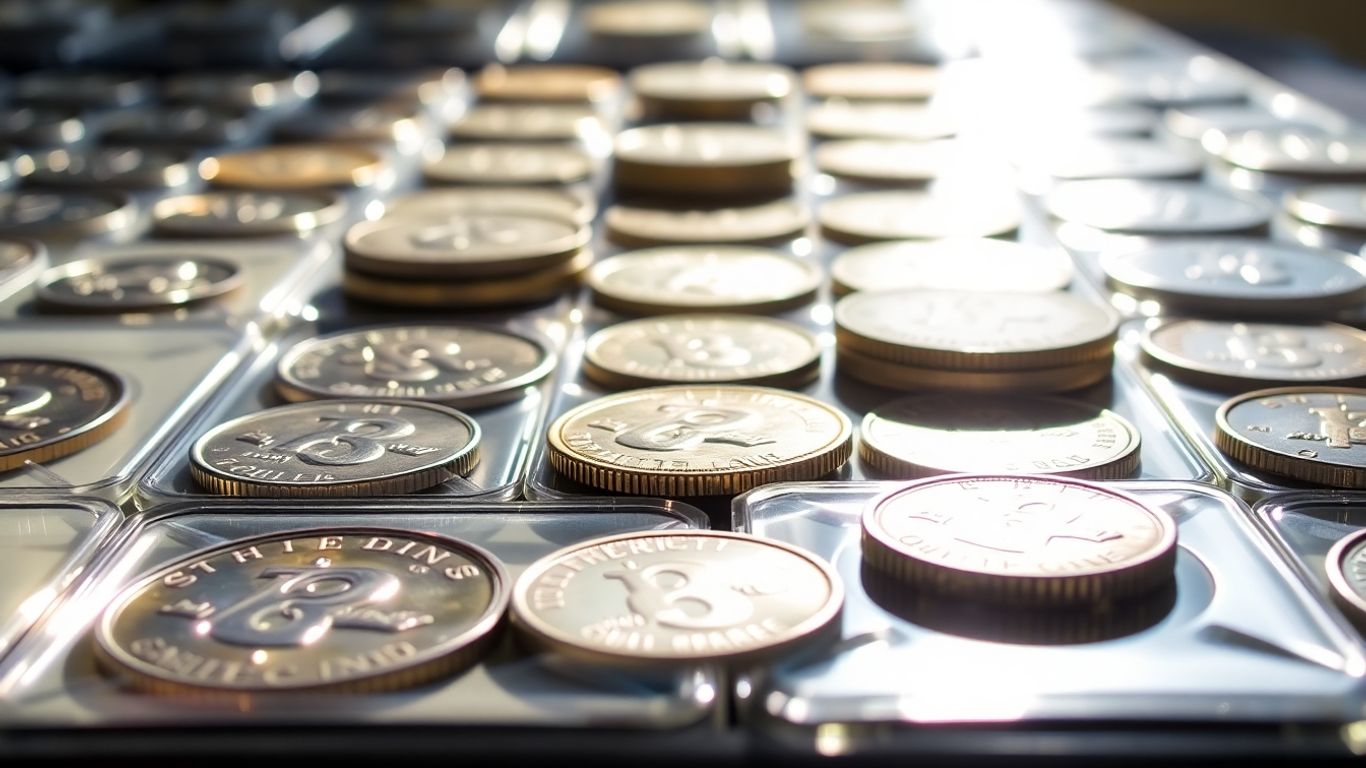
Showing off your coins is part of the fun, right? But you don’t want your prized pieces getting damaged while you’re admiring them or letting others have a look. It’s all about finding that sweet spot between making your collection visible and keeping it safe from harm.
Balancing Preservation And Display
Keeping your coins pristine means being careful about how you show them. The goal is to let people see your collection without exposing it to unnecessary risks. Think about what could go wrong – light damage, accidental drops, or even just too much handling. We need to pick display methods that act like a shield.
- Limit Handling: The less you touch your coins, the better. Oils and dirt from your hands can cause problems over time. Always use gloves or specialized tools when you need to move a coin.
- Control Light Exposure: Bright lights, especially sunlight, can fade labels and even affect the metal of some coins. Position displays away from windows or use UV-filtering glass.
- Secure Placement: Make sure display cases are stable and won’t easily tip over. Consider where you place them – high shelves or busy areas might not be the best spots.
When you’re thinking about displaying your coins, remember that every interaction, every moment exposed, carries a small risk. The best displays minimize this exposure, acting as a protective barrier that still allows for appreciation.
Protective Display Cases
Choosing the right case is a big step. You want something that looks good but also offers solid protection. For valuable coins, look for cases made from materials that won’t react with the metal. Avoid plastics that contain PVC, as they can release harmful acids. Airtight capsules, often called ‘slabs’, are a great option for very special coins because they seal out air and moisture.
Here are some common display options:
- Individual Holders: These can be simple plastic flips (make sure they’re inert plastic, not PVC!) or more robust acrylic cases. They protect each coin from scratches and direct handling.
- Display Boxes/Cabinets: For larger collections, cabinets with shelves are popular. Look for ones with glass doors that can be secured. Some higher-end cabinets even offer climate control features.
- Wall Mounts: These can be effective for showcasing a few select coins, but ensure the mounting system doesn’t put pressure on the coin’s edges.
Educational Display Ideas
Displaying your coins isn’t just about showing them off; it’s also a chance to share their story. Adding context can make your collection even more interesting for visitors (and for you!).
- Informative Labels: Include small, well-written labels next to each coin or group of coins. Mention the date, mint mark, denomination, and maybe a brief historical fact.
- Thematic Arrangements: Group coins by historical period, country, or theme. This can help tell a larger story and make the display more engaging.
- Accompanying Information: Consider a small booklet or a QR code that links to more detailed information about the coins on display. This keeps the display itself uncluttered while still providing depth.
Preventive Measures For Long-Term Care
Even with the best storage and handling, coins need ongoing attention to stay in top shape. Think of it like owning a classic car; you can’t just park it and forget about it. Regular checks and a bit of foresight go a long way in keeping your collection looking its best for years to come.
Pest Control In Storage Areas
Little critters can cause big problems for your coins. Insects and rodents aren’t just gross; they can chew through packaging, leave behind waste that can damage metal, and generally make a mess of your carefully organized collection. It’s important to keep your storage space clean and free from food sources that might attract them. Regularly inspect the area for any signs of infestation. If you do spot something, deal with it promptly using methods that won’t harm your coins. Sometimes, simple traps or natural deterrents are enough. Keeping your storage area tidy is your first line of defense against unwanted visitors.
Emergency Preparedness
Life happens, and sometimes unexpected events can put your collection at risk. Whether it’s a leaky pipe, a power outage affecting climate control, or something more serious like a fire or flood, having a plan can make a huge difference. Think about where you’d move your most valuable pieces if you had to evacuate quickly. Make sure your insurance coverage is up-to-date and that you have detailed records, like photos and appraisals, stored securely elsewhere. This documentation is vital if you ever need to file a claim.
Having a solid emergency plan means you’re not scrambling when disaster strikes. It’s about having a clear set of steps to protect your treasures, no matter what comes your way. This includes knowing where your most important items are and how you’d secure them quickly.
Regular Condition Monitoring
Don’t just put your coins away and assume they’re fine. It’s a good idea to check on your collection periodically. How often depends on how sensitive your coins are and the stability of your storage environment, but quarterly is a good starting point for many. Look for any changes in appearance – maybe a new spot of tarnish, a slight discoloration, or damage to the holder. Also, check your environmental monitors to make sure humidity and temperature are still within the ideal range. Keeping an updated inventory list as you check can also help you spot anything missing or out of place.
Here’s a quick checklist for your condition monitoring:
- Inspect each coin for any new spots, discoloration, or surface changes.
- Verify that storage containers and holders are intact and showing no signs of degradation.
- Check environmental monitors (hygrometer, thermometer) for stable readings.
- Review your inventory list and update it with any new acquisitions or observations.
- Ensure storage areas remain clean and free from debris or signs of pests.
Keep Your Collection Shining
So, there you have it. Taking care of your coins might seem like a lot at first, but it’s really not that complicated once you get the hang of it. Just remember to handle them with care, store them right, and don’t go crazy with the cleaning. Doing these simple things will make sure your collection stays looking good and keeps its value for a long, long time. It’s all about giving these little pieces of history the respect they deserve, so they can be enjoyed for years to come.
Frequently Asked Questions
Why is it important to take good care of my coins?
Taking good care of your coins is super important because it keeps them looking nice and helps them keep their value. Coins, especially old or rare ones, can get damaged easily from touching them too much, storing them wrong, or cleaning them poorly. Proper care protects your collection like an investment and keeps its history intact.
How should I handle my coins to avoid damaging them?
Always handle your coins by their edges, never by the flat surfaces. It’s best to wear clean cotton or nitrile gloves. This stops the natural oils and dirt from your skin from getting on the coin, which can cause spots or discoloration over time. Also, try to handle them over a soft surface in case you drop one.
What are the best ways to store my coin collection?
Store your coins in special holders that are safe for coins, like plastic flips, capsules, or cardboard holders that don’t have acid. You can also use coin albums with acid-free pages. The main idea is to keep each coin separate to prevent scratches and protect them from things like dust and moisture.
Should I clean my coins? If so, how?
Cleaning coins can be tricky and often lowers their value. It’s usually best not to clean them unless they are really dirty. If you must clean one, use only distilled water to rinse it gently and pat it dry with a soft, lint-free cloth. Never use harsh chemicals, abrasive cleaners, or rub the coin, as this can cause permanent damage.
What environmental conditions should I avoid for my coins?
You should avoid places with high humidity, as it can cause coins to corrode or tarnish. Extreme temperature changes are also bad because they can stress the metal. Keep coins away from direct sunlight, which can cause fading, and also from dusty or polluted areas. A stable, cool, and dry environment is ideal.
How can I display my coins without risking damage?
When displaying coins, use display cases that have glass offering protection from UV light. This helps prevent fading. Make sure the display area is not in direct sunlight and has a stable temperature. You can also use secure display cabinets that offer some protection from dust and handling.