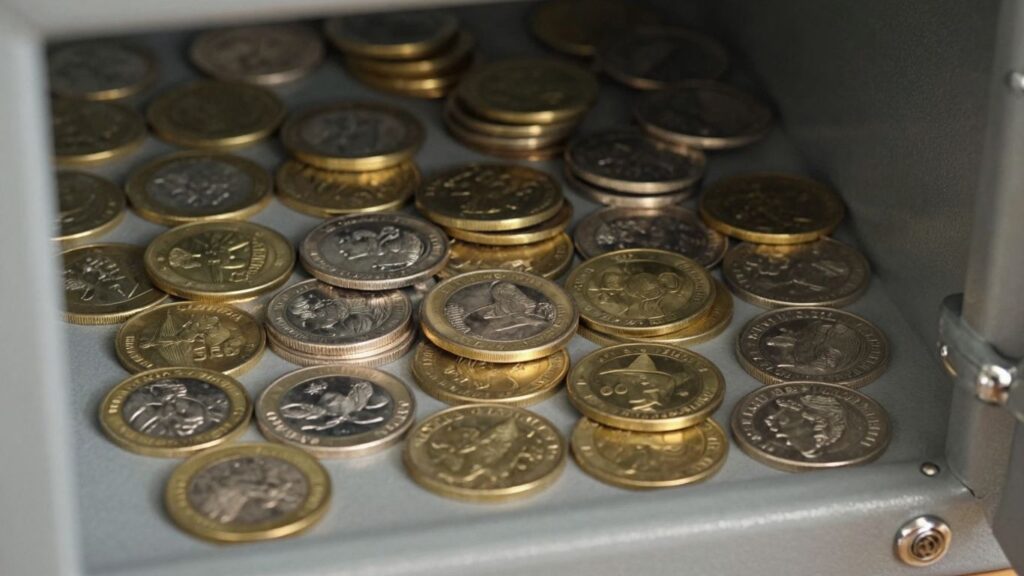
So, you’ve got some coins you want to keep safe at home. Maybe they’re old ones from your grandpa, or maybe you’re building a collection. Whatever the reason, just tossing them in a drawer isn’t the best idea. Coins can get damaged pretty easily from things like fingerprints, humidity, or even just sitting around unprotected. Finding the best way to store valuable coins at home means protecting them from all that. We’re going to look at some simple ways to keep your coins in good shape, so they don’t lose their value or their shine.
Key Takeaways
- Always handle coins with cotton gloves or by the edges to avoid transferring oils from your skin, which can damage the surface.
- Use storage materials specifically designed for coins, like Mylar flips, airtight capsules, or plastic tubes, ensuring they are PVC-free and acid-free.
- Store your coins in a stable, climate-controlled environment, away from attics, basements, and garages, to prevent damage from humidity and temperature fluctuations.
- For added security, consider keeping your most valuable coins in a home safe or a secure storage container.
- Keep a detailed inventory of your coin collection, noting purchase dates, value, and storage details, which is helpful for insurance and tracking.
1. Cotton Gloves
When you’re handling your coins, especially the more valuable ones, the first thing you should think about is what’s on your hands. Our skin naturally produces oils, and even if you just washed them, those oils can transfer to the coin’s surface. Over time, this can cause damage, like permanent fingerprints or discoloration. It’s a real bummer to see a beautiful coin get marred just from being picked up. That’s why wearing gloves is a non-negotiable step for any serious collector.
For this, you’ll want to grab a pair of soft cotton gloves. They’re lightweight and usually have a bit of stretch, making them comfortable to wear while you’re sorting or examining your collection. They create a barrier between your skin and the metal, preventing those damaging oils from getting onto your coins. It’s a simple habit, but it makes a huge difference in preserving the condition of your numismatic treasures. You can find these readily available from many coin supply retailers.
Here’s a quick rundown of why they’re so important:
- Prevents Oil Transfer: Your skin’s natural oils are a major enemy of coin surfaces.
- Avoids Fingerprints: Keeps those tell-tale smudges from appearing on your coins.
- Protects Delicate Surfaces: Especially important for proof coins or those with high-grade finishes.
- Maintains Original Luster: Helps keep the coin looking as pristine as when you acquired it.
Remember, even if you’re just moving coins from one holder to another, always use gloves. It’s better to be safe than sorry when it comes to protecting your collection’s value and historical integrity. Think of them as an extension of your careful handling practices.
Using these gloves is a small step that contributes significantly to the long-term preservation of your coins. They are a basic but vital tool for anyone serious about coin collecting supplies.
2. Mylar Flips
Mylar flips are a pretty common sight for coin collectors, and for good reason. They’re basically little plastic pockets, usually made from polyester or polypropylene, that hold a coin on one side and often have a space for a little card with details on the other. They’re a step up from the old cardboard flips that had a mylar window, which aren’t really recommended anymore because they can break down.
These flips are great because they keep your coins separated and protected from each other. Plus, they’re usually acid-free, which is a big deal. You don’t want anything that’s going to react with the metal over time. The clear material lets you see your coins easily without having to handle them directly. Handling coins with bare hands is a big no-no; the oils from your skin can actually damage the surface permanently.
Here’s a quick rundown of why they’re a solid choice:
- Protection from Scratches: Each coin gets its own little space, preventing them from rubbing against each other.
- Visibility: You can see the coin’s details clearly through the plastic.
- Information Space: Many have a spot for a label, so you can note the coin’s date, mint mark, or any other important info.
- Affordability: They’re generally quite inexpensive, making them accessible for most collectors.
You can often find these at hobby shops or from coin dealers. They’re a good way to start organizing your collection, especially if you have a lot of individual coins you want to keep track of. They can also be stored in binder pages, which makes flipping through your collection pretty easy.
When you’re picking them out, just make sure they’re made from archival-quality materials. You can usually find good ones that are specifically designed for coin collecting, which means they won’t degrade or release harmful chemicals. It’s a simple step, but it makes a difference in keeping your coins in good shape for the long haul. If you’re looking for a way to keep your coins safe from environmental damage, these are a good option to consider for proper coin storage.
3. Airtight Capsules
When you’ve got a coin that’s particularly special, maybe a proof coin or something you just really want to keep in top shape, an airtight capsule is a solid choice. These are usually made of clear acrylic and are designed to seal around the coin, keeping out air and moisture. It’s like giving your coin its own little protective bubble.
The main idea here is to create a barrier against the environment.
Here’s a quick look at what makes them good:
- Protection from Elements: They seal out dust, humidity, and air, which can cause toning or damage over time.
- Handling: You can often handle the capsule without touching the coin itself, reducing the risk of fingerprints.
- Visibility: Most are clear, so you can still see your coin clearly.
However, you have to be a bit careful. Not all capsules seal perfectly. You want to make sure the one you get has a good, tight seal. A cheap capsule that doesn’t close properly won’t do much good and might even trap moisture inside. It’s best to look for capsules specifically made for coin collecting that are known for their quality seals.
For coins that are especially valuable or delicate, an airtight capsule offers a high level of individual protection. It’s a step up from basic flips and provides a more secure environment for your prized pieces, especially if you’re concerned about long-term preservation and preventing environmental degradation.
4. Plastic Tubes
When you’ve got a bunch of coins, especially bullion or bulkier items, plastic tubes are a pretty solid choice. They’re great for keeping multiple coins together in one place, and they offer decent protection against scratches and dings. Think of them like little coin condos, keeping each one snug and secure.
These tubes are often made from materials like acrylic or polystyrene, which are generally safe for coins, but you’ve got to be careful about what kind you pick. Not all plastics are created equal, and some can actually harm your coins over time. You want to make sure whatever you choose is archival safe and PVC-free. Edgar Marcus tubes, for example, are made in the USA and are known for being safe for your collection.
Here’s a quick rundown of why they’re useful:
- Organization: Keeps similar coins grouped together, making your collection easier to manage.
- Protection: Offers a good barrier against physical damage like scratches.
- Space Saving: Efficient for storing larger quantities of coins.
When selecting plastic tubes, always double-check that they are specifically designed for coin storage and are free from harmful chemicals. This simple step can prevent a lot of potential headaches down the road.
They’re a good option for coins that aren’t super high-value or delicate, or when you just need a straightforward way to keep a stack of coins from rolling around loose. You can find these at most coin supply shops or online retailers that cater to collectors.
5. 2x2 Cardboard Holders
These are a classic for a reason, especially if you’re on a budget or just starting out. A 2×2 cardboard holder is basically a small square of sturdy cardboard that folds in half. Inside, there are usually two clear Mylar windows, one for the coin and another for a small paper insert where you can write down details like the coin’s date, mint mark, or any other notes you want to remember.
They offer a decent balance between protection and visibility for individual coins.
Here’s a quick rundown of why they’re popular:
- Affordability: You can get a whole pack of these for pretty cheap, making them great for storing a large number of coins without breaking the bank.
- Information Space: That little paper insert is handy for keeping track of what’s what, especially if you have a lot of similar-looking coins.
- Visibility: The Mylar windows let you see the coin without actually having to touch it, which is a big plus for preventing fingerprints and damage.
However, there are a couple of things to watch out for. Make sure the ones you buy don’t have staples that could potentially scratch your coins when you’re handling them. Also, while they’re good for short-term storage or display, they aren’t the best for long-term preservation if you’re worried about environmental factors. For serious collectors, you might want to store these 2x2s inside a larger, more secure container like a binder page or a dedicated storage box.
When using 2×2 holders, always opt for those with Mylar windows, not vinyl. Vinyl can degrade over time and release harmful chemicals that damage your coins. Also, be mindful of how you close them; staples can be a real problem if they’re too close to the coin.
6. Coin Frames
Coin frames offer a neat way to show off your collection without actually having to handle the coins themselves. Think of them as little display cases, often made of clear plastic or wood, that hold your coins securely.
These frames are great for when you want to put your coins on display, like on a shelf or a wall, so people can see them. They usually have individual slots or compartments for each coin, keeping them separate and preventing them from rubbing against each other. This is a big plus because even slight contact can cause damage over time.
Here’s a quick look at why they’re a good option:
- Protection: They shield coins from dust and accidental touches.
- Visibility: You can see both sides of the coin easily.
- Organization: Keeps your collection tidy and easy to view.
When picking a frame, make sure it’s made from materials that won’t harm your coins. You don’t want anything that will react with the metal. Also, consider how you plan to display them – some frames are meant to stand up, while others can be hung.
While coin frames are fantastic for showing off your collection, they might not be the best choice for long-term storage if you’re super concerned about environmental factors like humidity. For those situations, you might want to pair a frame with other protective measures or use a different storage method altogether.
7. Display Boxes
Display boxes are a fantastic way to show off your coin collection while keeping it protected. Think of them as little showcases for your numismatic treasures. They let you see your coins from different angles without actually having to pick them up, which is a big plus because, as we’ve talked about, touching coins can leave oils and damage them.
These boxes come in all sorts of styles. Some are simple, clear acrylic cases that hold a single coin, while others are larger, designed to hold multiple coins in individual compartments. You can find them with velvet lining or custom-cut foam to keep each coin snug and prevent it from rattling around. The key is that they allow for visual appreciation without compromising the coin’s condition.
Here are a few things to look for when choosing a display box:
- Material: Opt for boxes made from inert materials like acrylic or wood. Avoid anything that might off-gas or degrade over time.
- Fit: Make sure the coin fits snugly in its designated spot. Too much movement can cause wear.
- Visibility: The clearer the material, the better you can see your coins. Some boxes have UV protection to prevent fading from light exposure.
- Security: While not a primary security feature, some boxes have locking mechanisms, which can deter casual handling.
Display boxes are great for coins you want to admire regularly. They bridge the gap between keeping coins safe and being able to enjoy looking at them. Just remember, even in a display box, extreme temperature or humidity changes can still affect your coins, so placement matters.
They’re not usually the best choice for long-term, investment-grade storage if you’re talking about the most valuable pieces, but for general display and enjoyment, they’re hard to beat.
8. Coin Albums
Coin albums are a fantastic way to keep your collection organized and accessible, especially if you have a lot of coins. Think of them like a photo album, but for your coins. They usually have pre-cut slots or pages designed to hold specific coins, sometimes even by date and mint mark, which is super helpful for completing sets.
These albums are great for both displaying your coins and keeping them protected from the elements and accidental touches.
Here’s why they’re a solid choice:
- Organization: Easily sort and find specific coins. This is a big plus when you’re trying to track down that one missing piece for a set.
- Protection: Most albums use acid-free materials, and the pages often have a way to secure the coins, preventing them from sliding around and getting scratched.
- Display: You can flip through your album and admire your collection without having to handle each coin individually, which is a major win for preservation.
When picking an album, look for ones made from quality materials. You want pages that are sturdy and won’t degrade over time. Some albums come with slipcases, which add an extra layer of protection against dust and light. It’s a good idea to check if the album is designed for the size of coins you have, as different denominations can vary in diameter.
Using coin albums is a practical step for any collector. They offer a balance between keeping your coins safe and allowing you to enjoy looking at them. Just remember to handle the album and coins with care when you’re adding or removing them.
9. Binder Pages
Binder pages are a pretty neat way to keep a lot of coins organized, especially if you’ve got a growing collection. Think of them like a photo album, but for your coins. You can get these pages that have individual pockets, usually made from clear, archival-quality plastic like Mylar or polyester. This means they won’t break down and release nasty chemicals that could mess with your coins over time.
The real advantage here is space and visibility. You can slot in individual coin holders, like those 2×2 cardboard ones or even Mylar flips, right into these pages. It keeps everything neat and tidy, and you can flip through them to admire your collection without having to pull each coin out. It’s a good middle ground between just tossing coins into a box and investing in super high-end display cases for every single piece.
Here’s a quick rundown of what makes them useful:
- Organization: Keeps coins grouped by type, series, or whatever system you prefer.
- Protection: When used with proper individual holders, they offer a good layer of defense against dust and accidental handling.
- Accessibility: Easy to flip through and view your collection without direct contact.
- Scalability: You can add more pages as your collection expands.
Just remember, the pages themselves are only part of the equation. Whatever you put into the pockets needs to be coin-safe too. Avoid anything made of vinyl, as that stuff can degrade and cause real damage. Always double-check that the materials are acid-free and PVC-free.
They’re generally pretty affordable, too, making them a solid choice for many collectors who want to keep things organized and protected without breaking the bank. You can usually find them at hobby shops or places that sell coin collecting supplies.
10. Home Safe
When it comes to keeping your coin collection secure, a home safe is a pretty solid choice. It’s not just about protecting against the elements anymore; now we’re talking about theft. A good safe adds a serious layer of protection for your valuable coins.
Think of it as the final frontier for your collection’s safety.
There are a few things to consider when picking one out:
- Size: How many coins do you have now, and how many do you plan to get? You don’t want to outgrow it too quickly.
- Fire Rating: Coins can be surprisingly resilient, but extreme heat can still cause damage. A safe with a good fire rating gives you peace of mind.
- Security Features: Look for sturdy construction, good locking mechanisms, and maybe even bolt-down options.
- Interior: Some safes come with adjustable shelves or drawers, which can be helpful for organizing your coin storage containers.
Remember, a safe is primarily for security against theft and fire. You still need to make sure the coins inside are protected from environmental damage using the other methods we’ve discussed, like archival holders and controlling humidity.
Don’t just toss your coin flips or albums into any old box. Use proper storage containers within the safe. This way, if someone manages to get past the safe, your coins are still protected. It’s all about layers of defense for your collection.
11. Silica Gel Packets
You know how sometimes you buy new shoes or a handbag and there’s a little packet inside that says "Do Not Eat"? That’s usually silica gel. These little packets are fantastic at soaking up moisture from the air. For coin collectors, this is a big deal because humidity is one of the worst enemies of your collection. Too much dampness can lead to toning, corrosion, and all sorts of other nasty stuff that can ruin a coin’s appearance and value.
Using silica gel packets is a simple yet effective way to control the environment where your coins are stored. They work by adsorption, meaning moisture molecules stick to the surface of the gel beads. You can find these packets in various sizes, and they’re pretty inexpensive. Just toss a few into your coin storage containers, albums, or even your safe. It’s a good idea to get the kind that can be "recharged" by baking them in an oven to dry them out, so you can reuse them over and over.
Here’s a quick rundown on how to use them:
- Placement: Put packets directly into storage containers, boxes, or safes where your coins are kept.
- Quantity: Use enough packets to adequately cover the space. A general rule is to have a few small packets for a standard coin box.
- Maintenance: Keep an eye on them. If they start to feel less effective (you can often buy indicator types that change color), it’s time to recharge them or replace them.
Remember, silica gel packets are not a substitute for proper storage materials or a stable environment, but they are a great addition to help keep excess moisture at bay. They help maintain a drier atmosphere, which is key for long-term preservation.
12. Velvet Mat
When you’re handling your coins, especially the more delicate or valuable ones, having a soft surface underneath can be a real lifesaver. That’s where a velvet mat comes in. It provides a cushioned, non-slip surface that can prevent serious damage if a coin accidentally slips from your grasp. Think of it as a safety net for your numismatic treasures.
Using a velvet mat isn’t just about preventing drops, though. It also helps keep your coins clean during handling. The fine fibers can catch any stray dust or debris that might be on your hands or the coin itself, preventing it from being transferred onto the coin’s surface. This is particularly important for coins with intricate details or those in high-grade condition where even the slightest imperfection can affect their value.
Here’s why a velvet mat is a good idea:
- Impact Absorption: It cushions the blow if a coin is dropped, reducing the risk of nicks or dents.
- Surface Protection: It prevents scratches that could occur if a coin were dropped on a hard surface.
- Debris Capture: It helps to trap dust and particles, keeping your handling area cleaner.
- Stability: The slight grip of the velvet can make it easier to maneuver coins without them skittering away.
While not a primary storage solution, a velvet mat is a smart accessory for anyone who frequently handles their coin collection. It’s a simple addition that offers significant protection during the critical moments of examination and sorting. It’s a small step that can make a big difference in preserving the condition of your coins, much like a good coin purse can keep small items organized.
13. Coin Slabs
When you’ve got a coin that’s particularly special, maybe it’s super rare or just holds a lot of personal meaning, you might want to think about coin slabs. These are basically hard plastic cases that seal your coin up tight. They’re often used by professional grading services, but you can get them for your own coins too.
Slabs offer a really high level of protection against just about everything. They’re sonically sealed, which means they’re welded together with sound waves, making them pretty much airtight and tamper-evident. This keeps out dust, moisture, and anything else that could mess with your coin’s surface.
Here’s why they’re a good choice for your top-tier coins:
- Maximum Security: The hard plastic shell protects against scratches and impacts. You’d have to really try to damage a coin inside a slab.
- Environmental Control: Because they’re sealed, they create a barrier against humidity and air, which can cause toning or corrosion over time.
- Tamper Evidence: Once sealed, you can’t open a slab without breaking it. This is great for knowing if someone’s tried to mess with your coin.
- Display Ready: Many slabs come with a stand or can be easily displayed in specialized cases, making your prized coin visible and protected.
While slabs offer top-notch protection, they are a more permanent solution. Once a coin is slabbed, it’s generally not meant to be removed. This is why it’s usually reserved for coins you’re confident you won’t need to take out of their holder for any reason, like re-evaluating its storage or perhaps turning it into jewelry later on.
14. Storage Vault
When you’ve got a collection that’s really grown, or if you’re holding onto some seriously valuable pieces, you might start thinking about something more robust than just a safe. That’s where a storage vault comes into play. Think of it as the next level up in security and environmental control for your coins.
A dedicated storage vault offers superior protection against theft, fire, and water damage compared to a standard home safe. These are often built with reinforced steel and advanced locking mechanisms. Beyond just physical security, many collectors opt for vaults that can also help maintain a stable environment, which is key for coin preservation. This means keeping temperature and humidity in check, away from the wild swings that can happen in other parts of the house.
Here’s a quick look at what makes a vault a good option:
- Enhanced Security: Multi-point locking systems, thick steel walls, and often bolted down to prevent removal.
- Environmental Control: Some vaults are designed to be more airtight, helping to keep out moisture and dust. You can also integrate climate control systems within a larger vault space.
- Peace of Mind: Knowing your collection is in a highly secure, controlled environment can be incredibly reassuring.
While a home safe is a good start, a storage vault is a more serious investment for serious collectors. It’s about creating a fortress for your coins, safeguarding them from both external threats and internal environmental damage. It’s not just about keeping them safe from burglars; it’s about preserving their condition for the long haul.
Setting up a vault might involve professional installation, especially if you’re looking at a larger, built-in unit. It’s a significant step, but for those with substantial collections, it’s often considered a worthwhile measure to protect their investment and historical treasures.
15. Inventory Spreadsheet
Okay, so you’ve got your coins all tucked away safely in their fancy holders, but what happens when you can’t remember what you have? Or worse, what if something happens to your collection and you need to file an insurance claim? That’s where a good old-fashioned inventory spreadsheet comes in. Seriously, don’t skip this step; it’s a lifesaver.
Think of it as your collection’s personal diary. You’ll want to jot down all the important details for each coin. This isn’t just about listing what you own; it’s about creating a record that helps you track value, identify what you have, and even remember when you bought that special piece.
Here’s a basic rundown of what you should include:
- Coin Name/Description: Be specific! (e.g., "1909-S VDB Lincoln Cent", "2023 American Silver Eagle")
- Year and Mint Mark: This is key for identification.
- Condition/Grade: If you know it, great. If not, a general description is fine to start.
- Purchase Date: Helps you track how long you’ve owned it.
- Purchase Price: Useful for figuring out your investment.
- Current Estimated Value: Update this periodically. It doesn’t have to be exact, just a ballpark figure.
- Storage Location: Which box, album, or safe deposit box is it in?
- Notes: Any special history, unique features, or damage.
Keeping this spreadsheet updated might seem like a chore at first, but trust me, future you will be incredibly grateful. It’s the difference between a disorganized pile of metal and a well-documented collection that you can easily manage, insure, and even pass down.
I usually use a simple spreadsheet program like Google Sheets or Excel. You can even find templates online specifically for coin collections. Just make sure to save it somewhere safe, maybe backed up to the cloud, so you don’t lose all that hard work if your computer crashes.
16. Acid-Free Paper Sleeves
When you’re looking for a simple way to add an extra layer of protection for your coins, especially those already housed in something like a 2×2 holder or a Mylar flip, acid-free paper sleeves can be a good choice. Think of them as a little paper jacket for your coin holder.
These aren’t meant to be the primary storage for your coins on their own, but rather a secondary safeguard. They help prevent the holder itself from getting scratched or smudged, which is especially important if you plan on handling them or storing them in a larger container with other items.
Here’s why they’re useful:
- Protection from Scratches: They add a buffer between coin holders, stopping them from rubbing against each other.
- Reduced Smudging: If you do handle the holder, the sleeve can pick up fingerprints instead of the holder itself.
- Acid-Free Material: This is key. Regular paper can contain acids that, over time, can transfer to your coin holder and potentially harm your coins. Acid-free paper avoids this problem.
Using acid-free paper sleeves is a small step that can make a difference in keeping your coin holders in good condition. They’re inexpensive and easy to find at most hobby shops or online coin supply retailers. Just slip your coin holder inside the sleeve, and you’ve added a bit more peace of mind to your storage setup.
17. Coin Slides
Coin slides are a pretty neat way to keep your coins organized, especially if you’re using a binder. Think of them as little sleeves that hold a coin, and then you can slide these into a page in a binder. They’re usually made of clear plastic, like Mylar or polyester, which is good because it won’t mess with your coins. You can often find them in different sizes to fit various coins.
They’re a good option for adding an extra layer of protection when you’re storing coins in an album.
Here’s a quick rundown of why you might use them:
- Individual Protection: Each coin gets its own little pocket, so they aren’t rubbing against each other.
- Binder Compatibility: They’re designed to fit into standard binder pages, making organization easy.
- Visibility: The clear plastic lets you see the coin without having to take it out.
- Material Safety: Look for slides made from archival-quality materials that are free from harmful chemicals.
Using coin slides can be a smart move if you’re building a collection in an album. They add a bit more security and keep things tidy, which is always a plus when you’re dealing with stuff you want to keep nice.
18. Storage Containers
When it comes to keeping your coin collection safe, the right containers are a big deal. You can’t just toss them in any old box, you know? We’re talking about protecting something that could be worth a good chunk of change, or even just holds a lot of personal meaning. So, what kind of containers are we looking at?
First off, you want to avoid anything made of PVC. That stuff breaks down and can really mess with your coins, especially if they’re silver. Think of it like leaving a metal object out in the rain – not good. You’re looking for materials that are inert, meaning they won’t react with the metal of your coins. This usually means plastics like Mylar, polyethylene, or polypropylene. These are generally safe bets.
Here’s a quick rundown of common container types:
- Plastic Tubes: These are great for bulk storage, especially for bullion coins. They keep a stack of coins together and protected from scratches.
- Airtight Capsules: These are usually clear, hard plastic cases that fit individual coins snugly. They offer excellent protection against environmental factors and handling.
- Mylar Flips: These are like little plastic envelopes, often with two pockets – one for the coin and one for a label. They’re good for individual coins and easy to organize.
- 2×2 Cardboard Holders: These are a more budget-friendly option. They’re small cardboard squares with a clear window for the coin, but you have to be careful about staples that could scratch the coin.
The key is to choose containers specifically designed for coin storage. Generic plastic containers might seem like a good idea, but they can contain chemicals that will damage your collection over time. Always check that the material is archival-safe and PVC-free.
Beyond the individual coin holders, you’ll also need something to put those holders in. Think about larger plastic bins or specialized coin storage boxes. These help keep everything organized and protected from dust and light. If you’re storing a lot of coins, consider containers that stack well to save space. And remember, keeping your coins in a stable environment is just as important as the container itself. Avoid places with big temperature swings or high humidity, like attics or basements. A closet in a climate-controlled part of your house is usually a much better bet.
19. Dehumidifier
Humidity is a coin collector’s sneaky enemy. It can lead to all sorts of problems, like unsightly toning on silver coins or even mold growing on your storage materials. Keeping the air dry is just as important as keeping it clean.
Think about where you’re storing your collection. If it’s in a basement or an area prone to dampness, you’re asking for trouble. A dehumidifier can really help manage the moisture levels in the air. You don’t need a giant industrial one; a small, portable unit designed for closets or small rooms is usually enough for a dedicated coin storage area.
Here’s a quick rundown of why it matters:
- Prevents Toning: Especially on silver, copper, and other reactive metals, excess moisture can cause unwanted color changes.
- Inhibits Mold and Mildew: Damp environments are breeding grounds for these, which can damage not only your coins but also your holders and albums.
- Stabilizes Environment: Consistent, lower humidity levels contribute to a more stable overall storage environment, reducing stress on your collection.
You want to aim for a relative humidity level below 50%. Regularly checking this with a simple hygrometer (a device that measures humidity) is a good idea. If you notice the levels creeping up, it’s time to turn on the dehumidifier.
When choosing a dehumidifier, consider its capacity and noise level. For a small room or safe, a quiet, smaller unit is best. You’ll also need to empty the water reservoir regularly, or get one with a continuous drain option if that’s feasible for your setup.
20. Opaque Containers
When you’re thinking about storing your coins, especially the ones you don’t plan on looking at every single day, opaque containers can be a really good choice. Unlike clear holders that let light in, these block it out. This is important because light, especially UV light, can actually damage coins over time. It can cause metals to fatigue or even fade any paper packaging or certificates that come with your coins. So, if you’ve got coins tucked away for the long haul, or maybe ones that are particularly sensitive, putting them in something opaque is a smart move.
Think about it like this:
- Protection from Light: This is the main benefit. Opaque containers prevent light from reaching your coins, which helps maintain their condition.
- Reduced Oxidation: While not their primary function, blocking light can indirectly help slow down certain chemical reactions that lead to oxidation, especially when combined with other good storage practices.
- Discreet Storage: They can also help keep your collection a bit more private if you’re storing them at home. No one can see what’s inside without opening them.
These containers come in various forms. You might find them as simple plastic boxes, metal tins, or even specialized coin storage cases. The key is that they don’t let light pass through. When choosing one, make sure it’s made from materials that won’t harm your coins. Avoid anything that feels flimsy or smells chemically. Archival-quality materials are always the way to go, even for opaque options.
It’s easy to forget about the impact of light when we’re focused on temperature and humidity. But prolonged exposure, even to ambient room light, can contribute to the degradation of a coin’s surface and any accompanying documentation. Using opaque containers is a simple, yet effective, step to add another layer of protection for your collection’s long-term preservation.
Wrapping Up Your Coin Storage Plan
So, keeping your coins safe isn’t rocket science, but it does take a little thought. We’ve gone over why it’s important to protect them from things like humidity, light, and even your own hands. Remember to use the right supplies – think PVC-free and archival quality. Finding a good spot in your home, away from attics or basements, makes a big difference too. By taking these steps, you’re not just putting your coins away; you’re looking after their history and their potential value for years to come. It’s a good feeling knowing they’re protected.
Frequently Asked Questions
Why is it so important to store my coins the right way?
Storing coins properly is super important because it protects them from damage. Things like moisture, heat, and even touching them with your bare hands can hurt their value and make them look bad over time. Good storage keeps your coins looking great and holding their worth.
What are the biggest dangers to my coin collection?
The main enemies of coins are moisture and heat, which can cause rust or mold. Light can also fade things, and touching coins with your fingers leaves oils that can cause permanent marks. Even air can affect some metals over long periods.
Can I just use any plastic container to store my coins?
No, definitely not! Some plastics, especially soft vinyl ones, can release chemicals that damage coins. Always use containers and holders that are specifically made for coins and are labeled as ‘PVC-free’ and ‘archival quality’.
How should I handle my coins to avoid damaging them?
The best way to handle coins is to wear soft cotton gloves or nitrile gloves. Always hold them by the edges, never by the flat sides (the front or back). It’s also a good idea to work over a soft surface, just in case you drop one.
Where is the best place in my house to keep my coin collection?
You should keep your coins in a cool, dry place inside your home, like a closet in a main living area. Avoid places like garages, attics, or basements because they often have big temperature and humidity changes, which are bad for coins.
What's the difference between Mylar flips and airtight capsules?
Mylar flips are like small plastic envelopes, good for general storage and adding notes. Airtight capsules are usually hard plastic cases that seal tightly around a single coin, offering more protection, especially for valuable or proof coins.
Should I keep a record of my coin collection?
Yes, absolutely! Keeping a list or spreadsheet of your coins, including what they are, when you got them, and their value, is very helpful. It’s good for insurance if something happens and also helps you keep track of your collection as it grows.
What are coin slabs and why are they used?
Coin slabs are hard plastic cases that coins are sealed into, often by professional grading companies. They offer maximum protection against damage, environmental factors, and tampering. They’re typically used for the most valuable or rare coins in a collection.