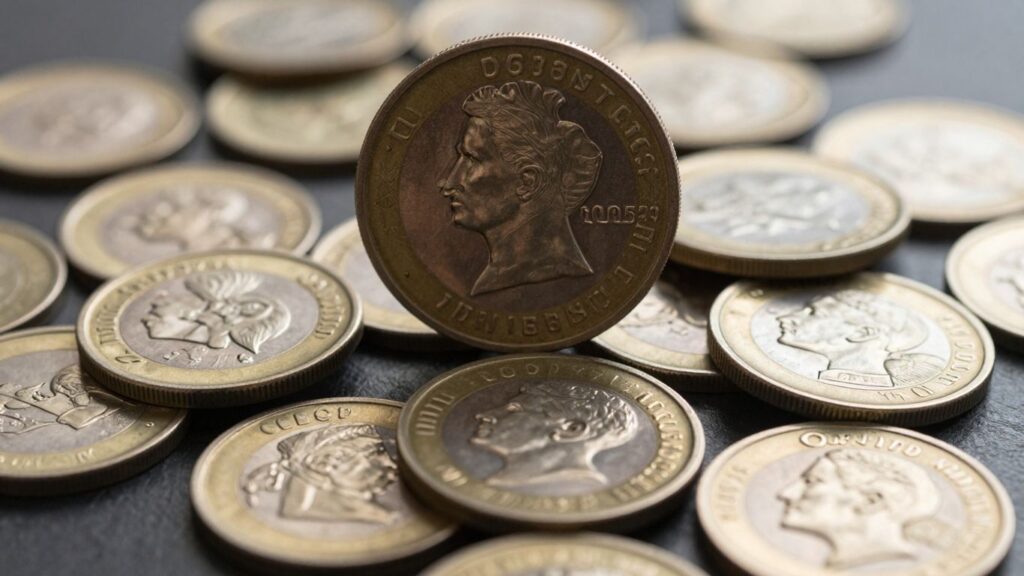
So, you’ve got some commemorative coins lying around and you’re wondering if they’re worth holding onto or if it’s time to sell them. It’s a common question for collectors and people who inherit coin collections. Figuring out if commemorative coins are worth keeping or selling isn’t always straightforward. There are a bunch of things to consider, from the coin’s rarity and condition to what’s happening in the market right now. This guide is here to help you sort through it all and make the best choice for your collection.
Key Takeaways
- Understand that not all commemorative coins gain value; many privately minted ones have little resale worth beyond their metal content.
- Proper storage, handling, and professional grading are vital for preserving a coin’s condition and potential value.
- Research is key: know your coin’s history, mintage numbers, rarity, and current market trends before buying or selling.
- Selling options range from online platforms and local dealers to coin shows, each with its pros and cons.
- Long-term collecting is generally more profitable than expecting quick riches; patience and continuous learning are important.
Understanding Commemorative Coin Value
What Are Commemorative Coins?
Commemorative coins are special coins made to celebrate important events, people, or places. Unlike the coins you get as change, these are usually made in limited numbers and aren’t meant for everyday shopping. Their worth often comes from the history they represent, their cool designs, and how rare they are. They can be made of different metals, like gold, silver, or copper, and often have detailed pictures that tell a story. For people who collect them, these coins are a way to hold a piece of history. For those looking to invest, they’re a different kind of asset.
Factors Influencing Coin Value
So, what makes one coin worth more than another? It’s not just one thing, but a mix of factors. Think of it like this: a coin’s value is built on several pillars.
- Rarity and Mintage: How many of these coins were made in the first place? And how many are still around today in good shape? The fewer that exist, the more desirable they usually become. Mintage numbers are often public, but figuring out how many survived is trickier.
- Condition (Grading): This is a big one. A coin’s condition, or ‘grade,’ can drastically change its worth. A coin that looks almost perfect, with sharp details, will be worth much more than one with scratches, wear, or cleaning marks. Professional graders look at things like surface preservation, how well the coin was struck, its original shine (luster), and its overall look (eye appeal).
- Precious Metal Content: Some coins are made with valuable metals like gold or silver. The amount of that metal in the coin contributes to its base value. Even if the coin isn’t super rare or in perfect condition, its metal content can give it a solid floor price.
- Historical Significance and Demand: What event or person does the coin represent? Is there current interest in that topic? Sometimes, a particular historical event or anniversary can make certain coins more popular, driving up their demand and price. It’s a bit like trends in art or fashion.
Here’s a quick look at how these factors can play a role:
| Factor | Impact on Value | Notes |
|---|---|---|
| Rarity | High | Fewer coins = higher potential value |
| Condition (Grade) | High | Mint condition is usually most desirable |
| Metal Content | Medium to High | Based on current market prices of metals |
| Historical Demand | Medium | Can fluctuate based on current interest |
| Mintage Numbers | High | Directly relates to scarcity |
The value of a coin isn’t static. It’s a combination of its physical attributes, its history, and what collectors want right now. Understanding these elements is the first step to figuring out if your coins are keepers or sellers.
The Role of Precious Metals
Many commemorative coins are made with precious metals, most commonly silver and gold, but sometimes platinum or palladium too. The value of these metals fluctuates daily on the global market. So, even if a coin isn’t particularly rare or in perfect condition, its intrinsic value as a store of precious metal can provide a baseline worth. For example, a silver dollar commemorative coin will always be worth at least the melt value of the silver it contains. This metal content is a significant factor, especially for coins that might not have high collector demand but are made from valuable bullion. When you’re assessing a coin, it’s important to know what metal it’s made of and to check the current market price for that metal. This gives you a solid starting point for understanding its potential worth, separate from any numismatic (collector) value it might have.
Assessing Your Collection's Worth
So, you’ve got a pile of commemorative coins, and now you’re wondering what they’re actually worth. It’s not always as simple as looking up a price online, especially with these special issue coins. There are a few key things to look at to get a real handle on your collection’s value.
Identifying Rare and Key Dates
When you’re looking through your coins, keep an eye out for anything that seems a bit unusual or hard to find. Sometimes, a specific year or a particular mint mark on a coin can make it much more desirable to collectors. These are often called "key dates." For example, a coin from a year with a very low production run, or one that had a special limited release, might be worth significantly more than other coins from the same series. It’s like finding a rare edition of a book – it just has that extra appeal.
Understanding Coin Grading
This is a big one. The condition of a coin plays a massive role in its value. Coin grading is basically a system used to describe how worn or well-preserved a coin is. You’ll see numbers and terms used, like "Mint State" (which means uncirculated) or specific grades like MS-65. A coin that looks perfect to the naked eye might get a much higher grade than one with even tiny scratches or wear. Getting a professional opinion on your coin’s grade is often the best way to know its true market value.
Here’s a simplified look at some common grading terms:
| Grade Term | Description |
|---|---|
| Poor (P-1) | Heavily worn, details barely visible. |
| Fair (F-12) | Very worn, but major features are visible. |
| Good (G-4) | Worn, but all major details are clear. |
| Very Good (VG-8) | Moderate wear, but still quite detailed. |
| Fine (F-12) | Noticeable wear, but design elements are sharp. |
| Very Fine (VF-20) | Light wear, mostly in the higher points. |
| Extremely Fine (EF-40) | Very light wear, sharp details remain. |
| About Uncirculated (AU-50) | Almost no wear, faint traces may exist. |
| Uncirculated (MS-60+) | No wear, full mint luster, minor bag marks. |
The Impact of Mintage Numbers
How many of a particular coin were made in the first place? That’s mintage. A coin that had a million pieces struck will generally be less valuable than one where only 50,000 were produced, assuming all other factors are equal. Low mintage numbers often mean fewer coins are available for collectors, which can drive up demand and price. It’s a simple supply and demand situation, really. You can usually find mintage figures in coin catalogs or online databases.
Don’t assume an old coin is automatically valuable just because it’s old. Many coins were produced in huge quantities, making them common even today. Value comes from a mix of age, condition, rarity, and collector interest, not just how long it’s been around.
Strategies for Selling Commemorative Coins
So, you’ve decided to part with some of your commemorative coins. That’s a big step! It’s not just about handing over a coin; it’s about getting a fair price for something that might have sentimental or actual monetary value. Let’s break down how to approach selling your collection.
Choosing the Right Sales Channel
Where you sell your coins can make a big difference in the final price you get. Think about what’s most important to you: speed, convenience, or getting the absolute top dollar. Each option has its pros and cons.
- Online Marketplaces: Websites like eBay are popular because they reach a huge audience. You can set your own price or run an auction. However, you’ll deal with shipping, potential returns, and platform fees. It’s also a place where you need to be extra careful about who you’re dealing with.
- Specialized Coin Dealers: Local coin shops or online numismatic dealers often buy collections. They know the market well and can make an offer quickly. The downside is they need to make a profit, so their offer might be lower than what you could get selling directly to a collector.
- Coin Shows and Auctions: These events can be great for finding serious buyers. Auctions, especially, can drive up prices for desirable coins. However, there are often fees involved, and you might have to wait for the auction to conclude.
- Directly to Collectors: If you know other collectors or can connect with them through forums, selling directly can sometimes yield the best prices. This requires more effort on your part to find buyers and handle the transaction.
Pricing Your Coins Effectively
Pricing is tricky. You don’t want to ask too much and scare buyers away, but you also don’t want to leave money on the table. Research is your best friend here.
- Check Recent Sales: Look at what similar coins, in similar condition, have actually sold for recently on sites like eBay or through auction houses. Don’t just look at asking prices; sold prices are what matter.
- Consider Condition and Grade: A coin’s condition is everything. If you have a professional grading report (like from PCGS or NGC), use that information. If not, be honest about the coin’s condition – are there scratches, wear, or damage?
- Factor in Rarity and Demand: How many of these coins were made (mintage)? How many are still around? Is this a popular series that many people want?
Here’s a quick look at factors that influence price:
| Factor | Impact on Price |
|---|---|
| Condition | Higher grade = higher price |
| Rarity | Lower mintage/fewer available = higher price |
| Demand | Popular series/themes = higher price |
| Metal Content | Value of gold/silver content can set a floor price |
| Grading | Certified coins often fetch higher prices |
Preparing Coins for Sale
Presentation matters. A little effort can go a long way in making your coins more appealing to potential buyers.
- Clean Them (Carefully!): Generally, it’s best not to clean circulated coins, as improper cleaning can drastically reduce their value. However, if a coin is obviously dirty and you’re certain it won’t cause damage (like a modern proof coin with fingerprints), a very gentle cleaning might be considered. When in doubt, leave it alone.
- Gather Documentation: If you have original packaging, certificates of authenticity, or grading reports, have them ready. This adds a layer of trust and can justify a higher price.
- Take Good Photos: If selling online, clear, well-lit photos from multiple angles are essential. Show any key details and any imperfections honestly.
Selling commemorative coins can be a rewarding experience, but it requires patience and a bit of homework. Understanding the market, pricing your items realistically, and presenting them well are key steps to a successful sale. Don’t rush the process; take your time to get the best outcome for your collection.
The Art of Keeping Commemorative Coins
So, you’ve got some commemorative coins and you’re thinking about holding onto them. That’s cool! But just stuffing them in a drawer isn’t going to cut it if you want them to stay nice and maybe even gain some value. It’s all about how you treat them from here on out.
Proper Storage and Handling Techniques
This is where things get a little hands-on, but in a careful way. You don’t want to be touching these coins with your bare fingers. Seriously, the oils on your skin can actually start to break down the metal over time, and that’s a big no-no. Always handle your coins by the edges. Think of yourself as a surgeon, but for coins.
When it comes to storing them, you’ve got options. Little plastic flips made of Mylar are a popular choice. They keep the coins separate and protected. Just make sure they’re Mylar and not PVC – PVC can actually make your coins sticky and damaged over time. For more serious collectors, hard plastic holders or even those fancy graded slabs from professional services are the way to go. The main idea is to keep them from rubbing against each other and to shield them from the environment.
Here are some basic rules to follow:
- Hold by the edges: Always, always, always. No exceptions.
- Use inert holders: Mylar flips, hard plastic cases, or professional slabs are good. Avoid PVC.
- Keep them dry: Humidity is the enemy. Store coins in a stable, dry environment.
- Avoid direct sunlight: This can cause toning or fading over long periods.
Protecting Your Collection from Damage
Beyond just storage, think about where you’re keeping them. A basement that floods? Probably not the best spot. A hot attic? Nope. You want a place with a steady temperature and low humidity. Think of a closet in a main living area, or maybe a safe deposit box if you’re really concerned.
Also, be mindful of what’s around your coins. If they’re in albums, make sure the pages aren’t acidic. If they’re in boxes, ensure the boxes themselves aren’t deteriorating. It’s about creating a safe little bubble for each coin.
The goal is to preserve the coin’s original condition as much as possible. Any damage, no matter how small it seems, can significantly reduce its appeal and market worth. Patience and attention to detail are key.
Displaying Your Commemorative Coins
Now, you might want to show off your collection. That’s totally understandable! But how you display them matters. If you’re using display cases, make sure they’re made from materials that won’t harm the coins. Some display cases have felt lining that can actually be abrasive or contain chemicals that react with the metal. Look for cases specifically designed for coin display.
For coins in slabs, you can often find stands that let you prop them up nicely on a shelf or desk. It’s a great way to enjoy looking at them without constantly handling them. Just remember, even when displayed, they’re still exposed to the environment, so keep them away from direct sunlight, high humidity, or areas where they might get bumped around a lot. It’s a balance between showing them off and keeping them safe.
Navigating the Commemorative Coin Market
Getting into the commemorative coin market can feel a bit like finding your way through a maze, especially if you’re new to it. But with a little guidance, you can make smart choices and find some really great pieces. It’s all about knowing where to look and who to trust. You want to make sure you’re getting fair prices and authentic coins, whether you’re buying or selling.
Researching Market Trends
Numismatic research is basically the backbone of smart coin collecting. It means digging into the history of a coin, understanding its mintage figures, and knowing about any variations or errors that might make it more valuable. For commemorative coins, this could involve looking into the specific events or figures they commemorate, and how that historical context affects their appeal. You’ll want to check out auction records, price guides, and even books if you’re serious about it. This kind of research helps you figure out what a fair price is and what coins might increase in value over time. It’s not just about buying; it’s about understanding what you own.
Here’s a quick rundown of where to look:
- Check historical auction results for similar coins.
- Consult reputable numismatic publications and books.
- Research the specific historical event or person the coin commemorates.
- Understand the grading standards and how they apply to your coins.
Staying Informed on New Releases
Keeping up with new releases is a big part of staying current in the commemorative coin market. The U.S. Mint, for example, regularly puts out new coins, and some of these can become quite sought after, especially if they have low mintage numbers or unique designs. Being aware of these new issues means you can decide if you want to add them to your collection early on, sometimes before their value goes up. You can sign up for newsletters from the Mint or from reputable dealers to get updates. Attending local coin shows is another great way to see new releases firsthand and talk to dealers about what’s coming out. It’s all about being proactive and knowing what’s happening in the market.
Here’s a look at common sources for information:
| Source of Information | Type of Information |
|---|---|
| U.S. Mint Website | Official Releases |
| Numismatic Publications | Market Analysis |
| Local Coin Shows | Dealer Insights |
| Online Forums | Collector Discussions |
Connecting with the Collector Community
Online marketplaces have really changed the game for coin collectors. Sites like eBay, specialized numismatic platforms, and even social media groups offer a huge selection of coins from all over the world. The convenience is unmatched, but so are the risks. You need to be extra careful about authenticity and condition when buying online. Always check seller ratings and reviews, and look for clear, high-resolution photos of the coins. Some platforms offer buyer protection, which can give you some peace of mind. Beyond buying and selling, online forums and numismatic websites are fantastic resources for learning about coins, market trends, and connecting with other collectors. They can help you stay informed about what’s happening in the coin scene and beyond.
While privately minted commemorative coins may be aesthetically pleasing and commemorate an important person or moment, don’t expect these coins to appreciate much in value. Many are made of base metals and have little intrinsic worth beyond their metal content, if any.
Avoiding Common Investment Pitfalls
When you’re looking at commemorative coins, it’s easy to get caught up in the excitement of collecting. But if you’re hoping to make a profit, or even just not lose money, there are a few common traps you’ll want to sidestep. It’s not always as straightforward as it seems, and sometimes things that look like a good deal just aren’t.
Beware of Privately Minted Coins
Lots of private companies make commemorative coins these days. They come in all sorts of designs, celebrating everything from historical events to personal milestones. While some of these might be made of precious metals and have a base value tied to that metal, many are made from less valuable stuff like nickel or copper. If you’re buying one just because it commemorates something important to you, that’s fine. But if you’re expecting it to grow in value as an investment, you might be disappointed. These privately minted pieces often don’t appreciate the way people hope they will.
Evaluating Promotional Offers
Sometimes you’ll see coins advertised on TV or in magazines that aren’t really geared towards collectors. These offers can be tempting, especially with flashy presentations. However, many of these items are marked up quite a bit from their actual worth. It’s a good idea to be skeptical and do your homework before jumping on a deal. You might find the same or similar coins elsewhere for a much better price, or realize the coin’s value is mostly in the marketing rather than the coin itself.
The Long-Term Nature of Coin Collecting
Coin collecting, especially when viewed as an investment, is usually a marathon, not a sprint. Expecting quick returns is a common mistake. The value of coins can fluctuate, and significant appreciation often takes years, if not decades. It’s also important to remember that not all coins are created equal. Some coins, especially those with lower mintages or specific historical significance, tend to perform better over time. Understanding the difference between a common coin and a rare one is key. For instance, while many American Silver Eagles are readily available, specific dates or mint marks can dramatically alter their market value.
Here are a few things to keep in mind:
- Research Mintage Numbers: Lower production numbers often mean higher potential value down the line.
- Consider the Metal Content: Coins made of gold or silver have an intrinsic value that provides a floor, though numismatic value can far exceed this.
- Look for Key Dates and Mint Marks: These specific variations can make a common coin much more desirable to collectors.
When you’re looking at coins, especially those that aren’t made of precious metals, think about how many were actually made. If the mint produced millions, it’s unlikely to become super valuable later on. It’s like trying to sell a souvenir t-shirt from a huge event – there are just too many of them out there for them to be worth much individually.
Professional Authentication and Certification
So, you’ve got some commemorative coins and you’re wondering if they’re the real deal and what they’re actually worth. That’s where professional authentication and certification come in. Think of it like getting a birth certificate for your coin – it proves it’s legitimate and tells you its condition. This is especially important if you’re looking to sell or insure your collection.
The Benefits of Professional Grading
Getting a coin professionally graded means an independent company looks at it and gives it a score based on its condition. They also check if it’s authentic. This is a big deal because:
- Authenticity: It confirms your coin isn’t a fake. Counterfeits are out there, and a professional grader can spot them.
- Standardized Grading: They use a well-known scale, usually the 70-point Sheldon scale, so collectors everywhere understand what a "Mint State 65" means. This takes the guesswork out of buying and selling.
- Protection: Graded coins are typically sealed in a special, tamper-evident holder. This protects them from damage during handling and from environmental factors like humidity.
- Marketability: A certified coin often sells for more and sells faster because buyers trust the grade and authenticity. It’s like buying a certified pre-owned car versus one from a random seller.
Reputable Grading Services
When you’re looking for someone to grade your coins, you want to go with the big names. These companies have been around for a while and have built a solid reputation. The two most well-known are:
- PCGS (Professional Coin Grading Service): One of the pioneers in the third-party grading world.
- NGC (Numismatic Guaranty Company): Another major player with a huge team of expert graders.
There are other services out there, but these two are generally considered the gold standard. They have strict processes and experienced graders to make sure their assessments are accurate.
Certification's Impact on Value
Does getting a coin certified actually make it worth more? Often, yes, especially for scarcer or more sought-after coins. Here’s why:
- Reduced Risk for Buyers: Buyers know exactly what they’re getting. They don’t have to worry about authenticity or a seller overstating the coin’s condition.
- Objective Assessment: The grade is determined by experts, not the seller. This objective opinion is highly trusted in the market.
- Comparison: The standardized grading system makes it easy to compare similar coins. A coin graded MS-65 by PCGS is generally comparable to an NGC MS-65, making pricing more straightforward.
It’s important to remember that grading isn’t free, and there’s a cost involved. You need to weigh that cost against the potential increase in your coin’s value and the peace of mind that comes with knowing its true status.
While the grading process adds a layer of confidence and can boost a coin’s market appeal, it’s not a magic wand. The underlying rarity, historical significance, and demand for the coin itself are still the primary drivers of its value. Certification simply makes that value more transparent and accessible to the market.
Insurance and Collection Security
Okay, so your collection is growing, and maybe you’ve got some really nice pieces in there. It’s time to think about keeping them safe. This isn’t just about putting them in a drawer; it’s about protecting your investment.
Insuring Your Valuable Collection
Most standard homeowner’s insurance policies aren’t going to cut it if you have a serious coin collection. They usually have limits on personal property, and collectibles often fall into a special category. You’ll likely need to look into specialized insurance for your coins. This kind of policy can cover things like theft, fire, or even accidental damage. It’s a good idea to get a policy that reflects the actual worth of your collection, not just what you paid for it. Think about getting your coins professionally graded, as this can help establish their value for insurance purposes. When you’re looking for coins, remember to buy from reputable dealers with a solid track record; this helps ensure authenticity and quality for your investments [b509].
Creating a Detailed Inventory
This is a big one. You absolutely need a detailed list of everything in your collection. What should be on it? Well, for starters:
- Coin Name/Description: What is the coin?
- Year and Mint Mark: Specifics matter.
- Grade: If it’s graded, note the grade and the grading service.
- Purchase Date and Price: Keep track of what you paid.
- Estimated Current Value: Update this periodically.
- Serial/Certification Numbers: If applicable.
- Photographs: Pictures are worth a thousand words, especially for insurance claims.
Keeping this inventory updated is key. It makes filing an insurance claim much smoother if something happens. Plus, it helps you keep track of your collection’s overall worth.
Protecting Against Theft and Damage
Beyond insurance, think about physical security. Where are you keeping your coins? A safe deposit box at a bank is an option, but consider the accessibility. A high-quality home safe, bolted down, is another choice. For less valuable items, sturdy display cases can work, but make sure they’re not easily accessible to casual visitors or children. Always handle your coins by the edges, preferably with cotton gloves, to avoid transferring oils from your skin, which can cause damage over time. Avoid storing coins in PVC holders, as they can degrade and harm the metal. Proper storage in inert materials is vital for long-term preservation.
Keeping your collection secure involves a multi-layered approach. It’s about having the right insurance, meticulous record-keeping, and smart physical storage solutions. Don’t wait until something happens to think about these things; be proactive.
Making Informed Decisions for Your Collection
So, you’ve got a bunch of these commemorative coins, and now you’re wondering what to do next. It’s not just about buying cool coins; it’s about making smart choices for your collection, whether you plan to keep it forever or maybe sell some pieces down the line. This part is all about helping you figure out your own path.
Setting Clear Collection Goals
Before you buy another coin or even decide to sell one, take a moment to think about what you actually want from your collection. Are you trying to build something that tells a specific story, like coins from a certain event or era? Or is your main focus on coins that might go up in value over time? Knowing this makes a big difference in what you buy and what you hold onto. It’s like having a map for your collecting journey.
- Define your primary interest: Is it historical significance, artistic design, precious metal content, or potential investment growth?
- Consider your budget: How much can you realistically spend, both now and in the future?
- Think about space: Do you have room to store and display your collection properly?
Balancing Sentiment and Investment
This is where things can get tricky. Sometimes, a coin might have a lot of personal meaning to you – maybe it reminds you of a special trip or a loved one. But from a purely financial standpoint, it might not be the most valuable piece. You have to decide how much weight you give to those emotional connections versus the potential monetary worth. It’s okay to have coins that are just for the joy they bring you, but it’s good to know which ones are which.
It’s easy to get caught up in the excitement of a new acquisition, but taking a step back and evaluating a coin’s true worth and fit for your collection is always a good idea. Don’t let emotion drive your decisions.
When to Seek Expert Advice
Look, nobody knows everything, and that’s totally fine. If you’re looking at a coin and you’re not sure about its authenticity, its grade, or its market value, it’s smart to ask someone who does. This could be a reputable coin dealer, a professional grading service, or even an experienced collector in a club. Getting a second opinion, especially before making a big purchase or deciding to sell a key piece, can save you a lot of headaches and potentially a lot of money. Don’t be afraid to admit when you need a little help; it’s a sign of a wise collector.
So, Should You Keep or Sell?
Deciding whether to keep or sell your commemorative coins really comes down to what you want. If you love the history, the art, or the thrill of collecting, then holding onto them makes perfect sense. They can be a great way to connect with the past and enjoy a hobby. But if your main goal is to make money, you need to be realistic. Not all coins will skyrocket in value, and some might not even cover what you paid for them. Do your homework, understand what you have, and don’t be afraid to get expert opinions. Whether you’re building a legacy or looking to cash in, making an informed choice is always the best path forward.
Frequently Asked Questions
What exactly are commemorative coins?
Commemorative coins are special coins made to remember important people, events, or places. They’re not usually used for everyday shopping like regular money. Think of them as little pieces of history you can hold, often made in limited amounts with cool designs.
How do I know if my coin is valuable?
Several things make a coin valuable. How rare it is, its condition (like if it’s shiny and new or worn out), and if it’s made of precious metal like gold or silver all play a big part. Sometimes, coins with special dates or small production numbers are worth more.
Should I clean my coins?
It’s usually best not to clean your coins yourself. Cleaning can actually hurt the coin’s surface and lower its value. If a coin is really dirty, it’s better to let a professional coin grader or dealer handle it.
What is coin grading?
Coin grading is like giving a coin a report card for its condition. Experts look at the coin closely and give it a score from 1 to 70, based on how well-preserved it is. This score helps determine how much the coin is worth.
Are privately made coins worth anything?
Be careful with coins made by private companies, not official government mints. While some might have value if they’re made of real silver or gold, many are made of cheaper metals and aren’t worth much more than the metal they contain, if that. They often don’t increase in value like expected.
How should I store my commemorative coins?
To keep your coins in good shape, store them in special holders or albums that don’t damage them. Avoid touching coins with your bare hands because the oils from your skin can cause harm over time. Keep them away from moisture and extreme temperatures.
Can I get rich quickly by collecting coins?
Coin collecting is usually a long-term hobby. While some coins can become very valuable, it often takes many years for their worth to grow significantly. It’s more about enjoying the history and the thrill of finding cool coins than expecting fast profits.
Where can I sell my commemorative coins?
You have a few options for selling. You can try online auction sites, sell to local coin shops, or attend coin shows. For valuable collections, working with a reputable coin dealer or auction house might get you the best results.